
Consumers buying expensive food products may not always be getting the ingredients advertised on their packaging, according to food experts warning about widespread adulteration and misleading labelling.
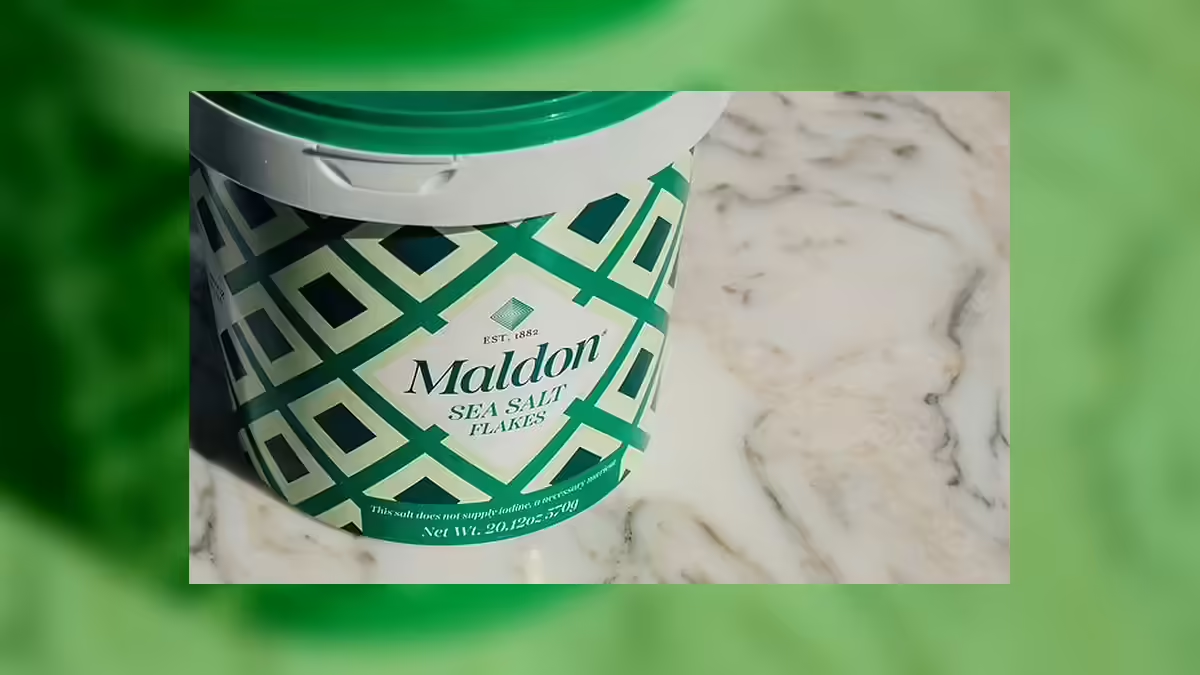
The concerns have grown following revelations that British sea salt brand Maldon uses German rock salt. Other premium products, including olive oil, manuka honey, avocado oil and balsamic vinegar, have also faced scrutiny over the use of cheaper ingredients in place of more expensive alternatives.
Manufacturers may use substitutes to reduce production costs and speed up processing while continuing to sell products at premium prices.
Experts have identified several signs consumers can look for when checking the quality and authenticity of popular kitchen staples.
Olive Oil Fraud Increases as Prices Reach Record Levels
Olive oil has become increasingly expensive following several poor harvests, with a 500ml bottle of Filippo Berio extra virgin olive oil costing around £7.50, approximately £3.75 more than in 2022.
The rising prices have contributed to concerns about fraudulent products, including oils diluted with cheaper alternatives or falsely sold as extra virgin. Investigators have also uncovered batches that were coloured to make them resemble genuine olive oil.
Professor Maurizio Servili, an olive oil expert at the University of Perugia, told the Daily Mail that expensive products were more attractive targets for fraud because adulteration could be more profitable.
Consumers are advised to check for an extra virgin designation, information identifying the product’s origin and DOP certification. Genuine olive oil typically has a fruity flavour accompanied by bitterness and a peppery sensation.
Experts also warn that popular online methods, including placing olive oil in a refrigerator to test its authenticity, are unreliable.
Manuka Honey Faces Widespread Adulteration Concerns
Manuka honey, which can cost more than £50 per jar, is valued for its methylglyoxal (MGO) content, a compound associated with antibacterial activity.
However, its high price has created incentives for some producers to mix it with cheaper honey varieties and syrups.
An investigation by the European Union found that more than 40 per cent of imported samples showed signs of tampering, including the presence of additional sugar. All ten samples collected from the UK were reportedly found to be fake.
Ian Campbell of the British Beekeepers Association described honey as one of the most widely adulterated food products globally.
He said honey fraud was extensive and international, describing the efforts of food testers and those responsible for adulteration as an ongoing competition.
Experts advise consumers to be cautious of unusually cheap honey and recommend purchasing directly from local beekeepers where possible. They also warn that viral tests involving water, fire and supposed genetic memory cannot reliably establish whether honey is genuine.
Avocado Oil Products Found to Contain Other Oils
Avocado oil has become a popular ingredient in products marketed towards health-conscious consumers, but research has raised concerns about the accuracy of some product claims.
A study by researchers at the University of California found that 89 per cent of products labelled as avocado oil contained other oils.
Lead researcher Professor Selina Wang said consumers paying higher prices for products made with avocado or olive oil deserved to receive the ingredients advertised.




The research also indicated that contamination could occur at different stages of international supply chains, making it difficult for brands to identify where adulteration takes place.
Consumers are advised to examine ingredient lists and sourcing information, particularly when products make prominent avocado oil claims but are sold at unusually low prices. Pure avocado oil generally has a mild, buttery flavour and a greenish appearance.
Supermarket Sourdough May Contain Commercial Yeast
Traditional sourdough bread is produced using a live starter culture and can take up to a week to ferment.
However, campaigners have raised concerns that some supermarket products marketed as sourdough are produced much faster using commercial yeast and additives. These products have been described as “sourfaux”.
Genuine sourdough should contain four basic ingredients: flour, water, salt and starter culture.
Consumers are advised to check packaging for additional ingredients, particularly commercial yeast. Traditional sourdough also typically has a tangy flavour, a chewy texture and large, irregular air pockets inside the loaf.
Balsamic Vinegar Quality Depends on Its Ingredients
Authentic traditional balsamic vinegar is produced using concentrated grape must and aged over an extended period. Some premium varieties can cost more than £200 per 100ml.
Cheaper commercial alternatives may instead combine wine vinegar with caramel colouring and thickeners.
Experts recommend checking the ingredient list, with products containing cooked grape must as their main ingredient generally closer to traditional balsamic vinegar.
Protected designation labels, including PGI/IGP and PDO/DOP, can provide additional information about a product’s origin and production standards.
Mazzetti, a balsamic vinegar producer, said the order of ingredients on a bottle’s label provides information about the quality of the finished product. Ingredients are listed according to their quantity, and higher-quality balsamic vinegar generally contains more grape must than wine vinegar.
The price can also provide an indication, as traditional varieties require lengthy ageing. Experts advise caution when inexpensive products are advertised as premium aged balsamic vinegar.
‘Ceremonial-Grade’ Matcha Has No Strict UK Standard
Matcha has become increasingly popular in coffee shops and supermarkets, with many products advertised as ceremonial-grade.
However, the term is not subject to a tightly regulated UK standard, allowing individual companies to determine what they consider suitable for that description.
Celebrity nutritionist Gabriela Peacock said the label alone was not a guarantee of quality, adding that colour, freshness and sourcing were also important.
High-quality matcha is made from finely ground green tea leaves grown under shade. The powder should have a bright green appearance and a fine, silky texture.
Experts recommend checking where the tea was grown, with Japanese sourcing often regarded as an indicator of quality. Fresh matcha should have a smooth, slightly sweet and umami-rich taste rather than an overwhelmingly bitter flavour.
Consumers are also advised to check for harvest dates and other details about the product’s origin.
Kombucha May Lose Its Live Cultures Through Processing
Kombucha is commonly purchased for its probiotic content, but the processing method can affect the number of live microorganisms remaining in the drink.
Some manufacturers pasteurise kombucha to extend its shelf life. The process kills many of the live microbes associated with the drink’s fermentation.
Researchers have warned that pasteurisation can eliminate substantial amounts of beneficial bacteria, potentially reducing the health benefits consumers expect.
Experts recommend choosing refrigerated products labelled raw or unpasteurised. Genuine live kombucha generally has a shorter shelf life, while a slight fizz can indicate that fermentation cultures remain active.
What Consumers Should Check Before Buying Premium Foods
Experts recommend examining product labels, ingredients, origin information and production methods rather than relying solely on premium descriptions or marketing claims.
For olive oil, consumers should look for an extra virgin designation, traceable origins and recognised certification. Honey buyers are advised to consider local producers and avoid unusually low prices.
Avocado oil products should have transparent sourcing information, while traditional sourdough should contain only flour, water, salt and starter culture.
For balsamic vinegar, grape must should be a key ingredient, with recognised origin certification providing additional reassurance. Matcha buyers should assess colour, texture, freshness and sourcing instead of relying on the ceremonial-grade label.
Kombucha consumers should check whether bottles are refrigerated and labelled raw or unpasteurised.
These checks can help shoppers assess whether premium food products contain the ingredients and production characteristics advertised on their packaging.
