Blog

  • Donegal crush Kerry in dominant Division One final showdown at Croke Park leaving Seán O’Shea stunned

    Donegal crush Kerry in dominant Division One final showdown at Croke Park leaving Seán O’Shea stunned

    It wasn’t just a loss — it was the kind that lingers.

    Kerry’s Seán O’Shea didn’t hide his frustration after Donegal delivered a commanding performance in the Division One final at Croke Park.

    What looked like a 13-point defeat on paper felt far worse to those on the pitch.

    From early on, Donegal dictated the tempo, leaving Kerry chasing shadows for long stretches.

    By the final whistle, it was clear: this wasn’t just a bad day — it was a statement from Donegal.

    Donegal Send a Strong Message

    Under the guidance of Jim McGuinness, Donegal looked sharp, organised, and hungry.

    This wasn’t just about winning a trophy — it felt like a continuation of their rivalry with Kerry, especially after the previous season’s All-Ireland final clash.

    Donegal’s structure and discipline stood out.

    Their defensive setup was tighter, smarter, and far more effective than in past meetings.

    It was clear they came with a plan — and executed it nearly perfectly.

    O’Shea’s Honest Reflection

    Seán O’Shea didn’t sugarcoat things. He admitted that both individually and collectively, Kerry fell short.

    There was a sense that the scoreboard didn’t even fully capture how dominant Donegal had been.

    Kerry’s late push slightly softened the margin, but not the reality of the performance.

    For O’Shea, the focus now is accountability — looking inward before pointing elsewhere — and using the defeat as motivation rather than dwelling on it.

    Signs of Trouble Before the Final

    Kerry’s struggles didn’t come out of nowhere.

    According to manager Jack O’Connor, there were already warning signs in their previous outing against Armagh, where they scraped a draw.

    On top of that, the team had been juggling player returns from club commitments and dealing with injuries throughout the campaign.

    While these factors disrupted rhythm, the players themselves aren’t leaning on excuses.

    O’Shea made it clear: Donegal had challenges too — they were simply better on the day.

    The Tactical Battle That Decided Everything

    One of the biggest differences came from an often overlooked area — kick-outs.

    Donegal dominated restarts, both their own and Kerry’s.

    Even without their usual goalkeeper, they adapted cleverly.

    Gavin Mulreany stepped in and played a hybrid role, marking aggressively while also acting as a sweeper.

    This tactical tweak gave Donegal control of possession and territory.

    But it didn’t stop there. Their ability to win breaking balls — those chaotic, high-stakes moments after aerial contests — proved crucial.

    It wasn’t just about positioning; it was about timing, bravery, and physical commitment. Donegal consistently came out on top.

    Impact and Consequences

    This defeat serves as a wake-up call for Kerry.

    Losing a final so comprehensively raises questions about consistency, tactical flexibility, and match readiness against top-tier opposition.

    It also shifts momentum in the rivalry — Donegal now carry psychological confidence heading into the championship season.

    For Kerry, it exposes areas that need urgent attention: midfield dominance, defensive structure, and adaptability under pressure.

    What’s Next?

    Despite the setback, Kerry’s outlook isn’t bleak.

    Key players like Gavin White and Paudie Clifford are expected to return, which should strengthen the squad significantly.

    The focus now shifts to the All-Ireland Championship, where performances — not league results — define success.

    The real test will be how Kerry respond.

    Do they learn and evolve, or do these issues resurface when it matters most?

    Donegal, meanwhile, will look to build on this momentum and position themselves as serious contenders.

    Summary

    Kerry’s heavy loss to Donegal in the Division One final was more than just a bad result — it exposed tactical gaps and highlighted Donegal’s growth as a team.

    While Kerry remain a strong side on paper, this match underlined the need for improvement if they are to stay at the top.

    Bulleted Takeaways

    • Kerry suffered a heavy and emotionally draining defeat at Croke Park
    • Donegal, led by Jim McGuinness, delivered a tactically superior performance
    • Seán O’Shea admitted the loss felt worse than the scoreboard suggested
    • Jack O’Connor had already noted warning signs before the final
    • Donegal dominated kick-outs and breaking ball battles
    • Gavin Mulreany played a key tactical role
    • Kerry expect reinforcements with key players returning
    • The defeat could serve as motivation ahead of the All-Ireland Championship
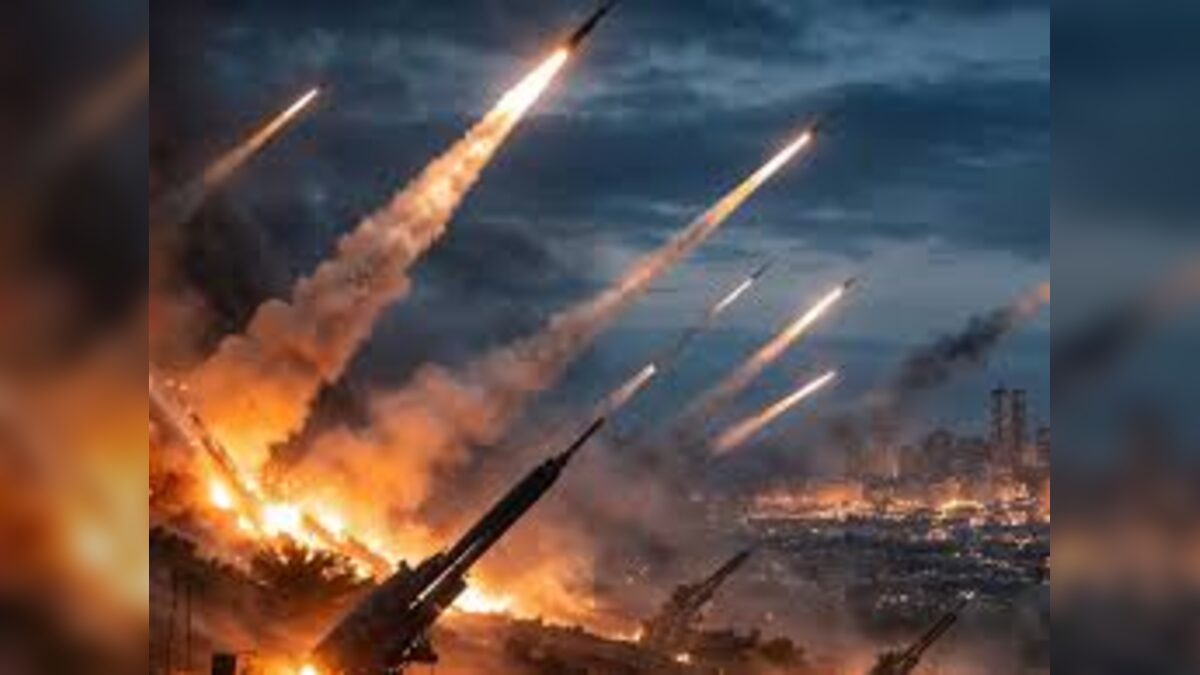
  • Iran launches fresh missile strikes on Israel and Gulf cities as Strait of Hormuz crisis disrupts global oil supply in the Middle East

    Iran launches fresh missile strikes on Israel and Gulf cities as Strait of Hormuz crisis disrupts global oil supply in the Middle East

    Thursday delivered another stark reminder that this conflict is far from cooling off.

    Iran launched a fresh wave of missile strikes, not just toward Israel but also in the direction of Gulf Arab states.

    The move directly challenged recent remarks by Donald Trump, who had suggested Iran’s threat level had been dramatically reduced and that the war could soon wind down.

    Instead, the latest attacks painted a very different picture—one where Iran still has both the capacity and the willingness to escalate.

    The Strait of Hormuz: Iran’s Strongest Card

    If there’s one factor shaping this war beyond the battlefield, it’s the Strait of Hormuz.

    This narrow passage handles a massive share of the world’s oil shipments, and Iran’s grip on it has become its biggest strategic advantage.

    Before the war erupted on February 28, about 20% of globally traded oil passed through this route.

    Now, shipping traffic has plummeted dramatically, with reports suggesting a drop of over 90% compared to last year.

    That disruption isn’t just a regional problem—it’s hitting energy markets across the globe.

    Trump’s Challenge—and Tehran’s Defiance

    In a televised address, Trump doubled down, claiming U.S. military operations had nearly neutralized Iran’s threat.

    He even encouraged countries reliant on Gulf oil to step up and secure the strait themselves.

    But Tehran fired back—both literally and rhetorically.

    An Iranian military spokesman, Lt. Col. Ebrahim Zolfaghari, dismissed the idea that key facilities had been destroyed, insisting that much of Iran’s military infrastructure remains hidden and untouched.

    The message was clear: what’s been hit so far barely scratches the surface.

    Missiles Over the Gulf

    Tensions spiked further when explosions were reported in Dubai as air defenses intercepted incoming missiles.

    Around the same time, alarms rang out in Bahrain, home to the U.S. Navy’s Fifth Fleet.

    Israel also confirmed it was intercepting new missile threats shortly after Trump’s speech ended.

    The timing underscored just how coordinated—and relentless—the attacks have become.

    Civilian Toll Mounts

    Away from the geopolitical messaging, the human cost continues to rise.

    In Iran, a strike on a bridge construction site in Alborz province reportedly killed eight people and injured dozens more.

    Many of the victims had gathered nearby for Nature Day celebrations, turning what should have been a peaceful outing into tragedy.

    Iran’s foreign minister, Abbas Araghchi, condemned the strike, accusing opposing forces of targeting civilian infrastructure.

    Meanwhile, casualties continue to climb across multiple fronts:

    • Over 1,900 dead in Iran
    • 19 killed in Israel
    • Dozens more across Gulf states and the West Bank
    • More than 1,300 deaths and over a million displaced in Lebanon

    In Lebanon alone, ongoing clashes involving Hezbollah and Israeli forces have intensified the humanitarian crisis.

    A Global Energy Shockwave

    The ripple effects of this war are being felt far beyond the Middle East.

    Oil prices have surged sharply, with Brent crude climbing to around $108 per barrel—roughly a 50% jump since late February.

    Natural gas markets are also tightening, while the cost of fuel, food, and goods is creeping upward worldwide.

    Air travel hasn’t been spared either. Disruptions to jet fuel supply are already causing knock-on effects across international aviation.

    Scrambling for Alternatives

    With the Strait of Hormuz effectively choked, countries are scrambling for workarounds.

    Saudi Arabia has ramped up oil transport through Red Sea pipelines, while Iraq has begun moving crude by truck across Syria to Mediterranean ports.

    These are costly and less efficient options—but right now, they’re necessary.

    Diplomatic Efforts—and Their Limits

    In response to the crisis, the G7 nations—minus the U.S.—joined dozens of other countries in emergency talks led by the UK. The goal: figure out how to reopen the strait once fighting stops.

    British Foreign Secretary Yvette Cooper said discussions include not just diplomacy but also military planning, such as clearing naval mines and protecting commercial ships.

    Still, no country seems ready to take military action while the war is ongoing.

    Even Emmanuel Macron called the idea of forcibly securing the strait “unrealistic” at this stage.

    Impact and Consequences

    This conflict is no longer just a regional war—it’s a global economic disruptor.

    • Energy markets are volatile and unpredictable
    • Inflation risks are rising due to higher fuel and transport costs
    • Global trade routes are under threat
    • Humanitarian crises are deepening across multiple countries

    Perhaps most concerning is the precedent: a single chokepoint like the Strait of Hormuz has proven capable of shaking the entire global economy.

    What’s Next?

    The immediate future looks uncertain.

    If Iran maintains pressure on shipping routes, even a ceasefire might not fully restore normal operations.

    Meanwhile, continued missile exchanges raise the risk of a broader regional war involving more countries.

    Diplomatic channels remain open, but progress appears slow—and fragile.

    Summary

    Despite claims that the war may be nearing its end, events on the ground suggest otherwise.

    Iran continues to demonstrate military strength, the Strait of Hormuz remains a critical pressure point, and the global economy is already feeling the strain.

    This is no longer just about territorial conflict—it’s about control, influence, and the stability of global systems.

    Key Takeaways

    • Iran is still actively launching missile strikes across the region
    • The Strait of Hormuz has become the central strategic battleground
    • Global oil supply has been severely disrupted
    • Civilian casualties and displacement continue to rise
    • International efforts to resolve the crisis remain cautious and limited
    • The economic impact is spreading worldwide, affecting fuel, food, and travel

    The situation is evolving fast—and for now, there’s no clear end in sight.

  • Londie London Reveals New Reality TV Show Life With Londie to Fans in South Africa

    Londie London Reveals New Reality TV Show Life With Londie to Fans in South Africa

    South African reality TV personality Londie London is back in the spotlight with an exciting new project.

    Fans of the star are buzzing after she revealed that she will soon headline her very own reality TV show, Life With Londie, which will air on Mzansi Magic.

    While the official premiere date hasn’t been shared yet, Londie has already teased viewers with glimpses of what’s to come.

    Sneak Peek Into Londie’s World

    Londie took to social media to drop hints about her upcoming show, sharing her excitement with followers. “It’s your favourite girl Londie Londie.

    Catch my brand new show Life With Londie on Mzansi Magic,” she wrote, instantly sparking chatter among fans.

    According to Londie, the series will give audiences a more intimate look at her life beyond the glitz and glamour of reality television.

    The show promises behind-the-scenes access to her personal and professional journey, capturing the moments that shape her every day.

    Fans and Friends React With Excitement

    The announcement quickly drew enthusiastic responses from both fans and fellow reality stars.

    TV presenter Naledi Mallela commented, “We will be TUNED IN! Congratulations my gorgeous babe,” while reality star Lo Sithelo joked, “Fasten the seat belts, please.”

    Even Annie Mthembu joined in with a simple, celebratory “Yesssss.”

    These reactions highlight the anticipation surrounding Londie’s new venture, signaling strong support from her inner circle and fanbase alike.

    Londie’s Reality TV Journey So Far

    Londie first made a name for herself on The Real Housewives of Durban, joining in its second season.

    Her bold personality and glamorous lifestyle quickly captured viewers’ attention, making her a fan favourite.

    She later appeared on The Real Housewives Ultimate Girls Trip – South Africa, joining other prominent stars from the franchise.

    With Life With Londie, she is expected to reveal a more personal and nuanced side of her life, moving beyond the dramatic moments that made her famous.

    Impact and Consequences

    The launch of Life With Londie marks a significant step in Londie’s career.

    By headlining her own show, she moves from being a cast member to a lead personality with creative control over how her story is told.

    This could strengthen her brand, open doors to new partnerships, and cement her influence in South Africa’s reality TV landscape.

    What’s Next?

    While the premiere date is still under wraps, fans are eagerly anticipating updates.

    Social media teasers and promotional content are likely to increase in the coming weeks.

    Industry insiders suggest the show could run multiple seasons if it captures audience attention, potentially expanding Londie’s reach beyond local audiences.

    Summary

    Londie London is stepping into a new chapter of her career with Life With Londie, promising fans an exclusive look at her life beyond the camera.

    From reality TV star to the lead of her own series, Londie’s journey continues to captivate audiences in South Africa and beyond.

    Bulleted Takeaways

    • Londie London will star in her own reality TV show Life With Londie on Mzansi Magic.
    • The show promises behind-the-scenes insights into her personal life.
    • Fans and fellow reality stars have reacted enthusiastically to the announcement.
    • Londie first gained fame on The Real Housewives of Durban and later appeared on Ultimate Girls Trip – South Africa.
    • The show could significantly boost her personal brand and open new opportunities in entertainment.
  • UK and US Accelerate Medical Device Approvals to Transform Patient Care in Both Countries

    UK and US Accelerate Medical Device Approvals to Transform Patient Care in Both Countries

    In a major move for healthcare innovation, the United Kingdom’s Medicines and Healthcare products Regulatory Agency (MHRA) and the United States Food and Drug Administration (FDA) are stepping up collaboration on medical device regulation.

    The goal? Helping patients in both countries access safe and innovative technologies faster than ever before.

    This latest announcement builds on a broader US-UK pharmaceutical partnership that has already removed tariffs on UK medicine exports and encourages companies to bring new treatments to the UK sooner.

    Now, medical devices are joining the fast lane.


    How the Partnership Will Work

    Under the new arrangement, the MHRA and FDA will explore ways to align and streamline regulatory processes.

    One key approach is mutual recognition, where both countries could recognize certain aspects of each other’s approval procedures.

    This helps reduce duplicate testing and paperwork for companies, while maintaining strict safety standards.

    Both agencies will continue to operate independently, ensuring that innovation never comes at the cost of patient safety.

    It’s a careful balancing act: faster approvals, yes—but only with world-class safeguards intact.


    Government Voices on the Collaboration

    Dr. Zubir Ahmed, UK Health Innovation and Safety Minister, emphasized the patient benefits:

    “Closer working between the UK and the US means that future innovative medical technologies – better diagnostics, smarter devices, life-changing treatments – can reach NHS patients sooner, without compromising on the safety standards we rightly expect.”

    UK Science Minister Lord Vallance highlighted the economic and technological impact:

    “The UK’s MedTech sector employs over 195,000 people and leads the way on technologies that help us lead healthier, longer lives.

    This partnership with the US will strengthen that position and accelerate access to safe, innovative medical devices.”

    MHRA Chief Executive Lawrence Tallon called it a pivotal moment for innovation:

    “By strengthening our working relationship with the FDA, cutting-edge medical technologies can reach patients faster and more efficiently than ever. This is just the beginning.”


    Industry Reaction

    Industry leaders have welcomed the move as a game-changer.

    Peter Ellingworth of ABHI noted that closer cooperation reduces regulatory duplication and creates faster pathways for HealthTech products to reach patients.

    Meanwhile, techUK’s Julian David emphasized the benefit to innovators and SMEs, highlighting clearer routes to market and greater predictability in the regulatory landscape.


    Impact and Consequences

    • Faster patient access: Cutting-edge devices and treatments could reach patients sooner in both the UK and US.
    • Reduced duplication: Companies save time and resources by navigating aligned approval pathways.
    • Economic growth: Strengthening the UK as a hub for MedTech innovation attracts investment and talent.
    • Global influence: Demonstrates UK leadership in life sciences regulation and international collaboration.

    What’s Next?

    Technical teams from the MHRA and FDA will continue to explore areas for closer alignment, including potential mutual recognition mechanisms.

    These discussions will ensure any future frameworks meet the UK’s stringent safety, quality, and efficacy standards.

    The partnership is expected to evolve, with new initiatives rolling out in the coming months to support innovative medical devices entering the market more efficiently.


    Summary

    The UK and US are doubling down on regulatory cooperation for medical devices.

    This initiative builds on an existing pharmaceutical partnership, reduces barriers for innovation, and ensures patients gain faster access to safe, life-changing technologies.

    With industry backing and government support, this collaboration reinforces the UK’s position as a global leader in life sciences.


    Bulleted Takeaways

    • UK MHRA and US FDA strengthen medical device regulatory collaboration.
    • Mutual recognition may reduce duplication and speed up approvals.
    • Partnership complements wider US-UK pharmaceutical cooperation.
    • Focus on maintaining strict safety standards while accelerating innovation.
    • Industry leaders highlight benefits for companies, patients, and UK’s MedTech sector.
    • Ongoing technical discussions to explore alignment and regulatory efficiency.

      In a major move for healthcare innovation, the United Kingdom’s Medicines and Healthcare products Regulatory Agency (MHRA) and the United States Food and Drug Administration (FDA) are stepping up collaboration on medical device regulation. The goal? Helping patients in both countries access safe and innovative technologies faster than ever before.

      This latest announcement builds on a broader US-UK pharmaceutical partnership that has already removed tariffs on UK medicine exports and encourages companies to bring new treatments to the UK sooner.

      Now, medical devices are joining the fast lane.


      How the Partnership Will Work

      Under the new arrangement, the MHRA and FDA will explore ways to align and streamline regulatory processes.

      One key approach is mutual recognition, where both countries could recognize certain aspects of each other’s approval procedures.

    • This helps reduce duplicate testing and paperwork for companies, while maintaining strict safety standards.

      Both agencies will continue to operate independently, ensuring that innovation never comes at the cost of patient safety.

    • It’s a careful balancing act: faster approvals, yes—but only with world-class safeguards intact.


      Government Voices on the Collaboration

      Dr. Zubir Ahmed, UK Health Innovation and Safety Minister, emphasized the patient benefits:

      “Closer working between the UK and the US means that future innovative medical technologies – better diagnostics, smarter devices, life-changing treatments – can reach NHS patients sooner, without compromising on the safety standards we rightly expect.”

      UK Science Minister Lord Vallance highlighted the economic and technological impact:

      “The UK’s MedTech sector employs over 195,000 people and leads the way on technologies that help us lead healthier, longer lives.

      This partnership with the US will strengthen that position and accelerate access to safe, innovative medical devices.”

      MHRA Chief Executive Lawrence Tallon called it a pivotal moment for innovation:

      “By strengthening our working relationship with the FDA, cutting-edge medical technologies can reach patients faster and more efficiently than ever. This is just the beginning.”


      Industry Reaction

      Industry leaders have welcomed the move as a game-changer.

    • Peter Ellingworth of ABHI noted that closer cooperation reduces regulatory duplication and creates faster pathways for HealthTech products to reach patients.

    • Meanwhile, techUK’s Julian David emphasized the benefit to innovators and SMEs, highlighting clearer routes to market and greater predictability in the regulatory landscape.


      Impact and Consequences

      • Faster patient access: Cutting-edge devices and treatments could reach patients sooner in both the UK and US.
      • Reduced duplication: Companies save time and resources by navigating aligned approval pathways.
      • Economic growth: Strengthening the UK as a hub for MedTech innovation attracts investment and talent.
      • Global influence: Demonstrates UK leadership in life sciences regulation and international collaboration.

      What’s Next?

      Technical teams from the MHRA and FDA will continue to explore areas for closer alignment, including potential mutual recognition mechanisms.

    • These discussions will ensure any future frameworks meet the UK’s stringent safety, quality, and efficacy standards.

      The partnership is expected to evolve, with new initiatives rolling out in the coming months to support innovative medical devices entering the market more efficiently.


      Summary

      The UK and US are doubling down on regulatory cooperation for medical devices.

    • This initiative builds on an existing pharmaceutical partnership, reduces barriers for innovation, and ensures patients gain faster access to safe, life-changing technologies.

    • With industry backing and government support, this collaboration reinforces the UK’s position as a global leader in life sciences.


      Bulleted Takeaways

      • UK MHRA and US FDA strengthen medical device regulatory collaboration.
      • Mutual recognition may reduce duplication and speed up approvals.
      • Partnership complements wider US-UK pharmaceutical cooperation.
      • Focus on maintaining strict safety standards while accelerating innovation.
      • Industry leaders highlight benefits for companies, patients, and UK’s MedTech sector.
      • Ongoing technical discussions to explore alignment and regulatory efficiency.
  • Bitcoin Surges as Investors Flee US Debt Crisis and Global Markets Reel

    Bitcoin Surges as Investors Flee US Debt Crisis and Global Markets Reel

    In a recent episode of the popular YouTube channel The Wolf of All Streets, financial experts discussed how Bitcoin might serve as a lifeline during rising global economic turbulence.

    The panel included Bloomberg Senior Commodities Strategist Mike McGlone, former CoinRoutes CEO Dave Weisberger, and macro strategist James Lavish.

    Their conversation explored U.S. debt pressures, the risks of money printing, oil market volatility, and Bitcoin’s potential as a hedge in unstable markets.


    Global Anxiety Hits Record Levels

    James Lavish painted a stark picture of worldwide uncertainty.

    According to the World Uncertainty Index, global unease has surged past 105,000—higher than during COVID-19, 9/11, the Iraq War, and the 2008 financial crisis combined.

    Lavish emphasized that the U.S. Treasury faces unprecedented challenges this year, with nearly $9.7 trillion in debt maturing, alongside a $2 trillion budget deficit.

    Refinancing needs total a staggering $12 trillion.

    Lavish highlighted how even small interest rate hikes could have outsized consequences.

    A mere half-point increase could add roughly $100 billion to annual interest payments, showcasing the fragility of the current system.

    He warned that policymakers have limited options, implying that monetary measures will likely dominate the strategy moving forward.


    Bitcoin Steps Into the Spotlight

    Dave Weisberger argued that Bitcoin’s value proposition becomes clearer amid economic stress.

    “Bitcoin was designed for economies weighed down by debt and currency manipulation,” he said.

    Its role as a potential hedge against inflation and a reserve asset could make it a safe harbor during financial turbulence.

    Weisberger also noted that Bitcoin may have hit a price floor around $60,000, following a February crash from over $70,000 during rising geopolitical tensions in the Middle East.

    He indicated that without strategic accumulation by players like Bitmine, Bitcoin might have fallen further to $40,000-$50,000, and Ethereum could have sunk to $600.


    A Cautious Eye on Market Trends

    Mike McGlone took a more conservative stance, focusing on broader market dynamics.

    He suggested that the Bitcoin bull market may have ended and that precious metals are showing signs of slowing.

    McGlone warned that spikes in oil prices could reduce demand and potentially tip the world into a recession.

    Additionally, he observed that the S&P 500 is overvalued, meaning a market correction could drag down Bitcoin and other risk assets along with it.


    Impact and Consequences

    • Monetary pressure: U.S. debt refinancing and deficit spending may accelerate money printing, affecting asset values globally.
    • Bitcoin as hedge: Investors may increasingly view BTC as protection against inflation and currency instability.
    • Market vulnerability: Overpriced equities and oil volatility could trigger a synchronized market downturn, impacting cryptocurrencies.

    What’s Next?

    Experts anticipate ongoing volatility in both traditional and crypto markets.

    Key developments to watch:

    • U.S. Treasury debt auctions and interest rate decisions.
    • Oil market fluctuations and geopolitical events.
    • Bitcoin and Ethereum accumulation trends by institutional investors.

    Summary

    The panel discussion highlighted an unsettling reality: global financial uncertainty is at historic highs, U.S. debt obligations are massive, and traditional asset markets are fragile.

    Bitcoin, while not immune, may serve as a hedge and a safe store of value in this environment.

    However, caution is warranted, as macroeconomic risks continue to mount.


    Bulleted Takeaways

    • World Uncertainty Index hits record 105,000, surpassing prior global crises.
    • U.S. faces $12 trillion in debt refinancing needs this year.
    • Even minor interest rate hikes could add $100 billion to annual payments.
    • Bitcoin may have found a floor at $60,000, potentially offering a hedge against inflation.
    • Market risks include oil price spikes, overvalued equities, and geopolitical tensions.
    • Institutional Bitcoin and Ethereum accumulation mitigated deeper price crashes.
  • Brady Ebert Arrests for Attempted Murder of Turnstile Frontman’s Father in Maryland

    Brady Ebert Arrests for Attempted Murder of Turnstile Frontman’s Father in Maryland

    Brady Ebert, 33, co-founder and former guitarist of the Grammy-winning band Turnstile, has been arrested following a shocking incident in Montgomery County, Maryland.

    Authorities say he allegedly drove a car into William Yates, the father of Turnstile’s frontman Brendan Yates, leaving him with severe leg injuries.

    Details of the Arrest and Charges

    According to police reports obtained by local media, Ebert was taken into custody on Tuesday, March 31.

    He faces charges of attempted second-degree murder and assault stemming from an incident that occurred on Sunday, March 29.

    Ebert appeared in court on April 1 and is currently being held without bail.

    The case has sent ripples through both the Baltimore music scene and the wider punk community, given Ebert’s role in shaping Turnstile’s sound over more than a decade.

    Turnstile Responds

    Turnstile officially addressed the situation on Thursday with a strong statement.

    The band noted that they had parted ways with Ebert in 2022 due to repeated harmful behavior.

    “After exhausting every available resource to support his access to help and recovery, a boundary ultimately had to be set,” the band said.

    “Over the past few months, his threats only escalated further.”

    The statement also revealed that Ebert had publicly made threats and inflammatory remarks about the band even after his departure.

    Troubled Social Media Behavior

    Ebert’s social media activity had already raised eyebrows prior to his arrest.

    He was removed from his new band, The S.E.T., weeks before their debut EP release. The band explained in February:

    “We will not stand by his ridiculous comments and behavior toward the members of our band and our community.”

    Earlier, Ebert had accused Turnstile of financial misconduct related to a charity show and criticized the band for what he claimed were insincere political statements.

    Turnstile’s History and Legacy

    Turnstile, formed in 2010 by Ebert, Brendan Yates, Franz Lyons, Daniel Fang, and Sean Cullen, quickly became a staple of Baltimore’s hardcore punk scene.

    Ebert’s guitar riffs were pivotal in shaping the band’s energetic, aggressive sound in their early years.

    After Ebert left in 2022, British guitarist Meg Mills took over his role.

    Turnstile has since reached new heights, winning two Grammys in February 2026: Best Metal Performance for “Birds” and Best Rock Album for Never Enough, which also climbed to No. 9 on the Billboard 200.

    Impact and Consequences

    The incident has shocked fans and fellow musicians alike.

    Beyond the immediate legal ramifications for Ebert, it casts a shadow on his legacy in Turnstile and could affect future collaborations or projects.

    The Baltimore music community, already tight-knit, is now grappling with the fallout from this alleged violent act.

    Additionally, the charges may influence public perception of Turnstile, though the band’s recent Grammy wins suggest their reputation is largely intact.

    What’s Next?

    Ebert remains in custody, and his legal team will likely face a rigorous case given the severity of the charges.

    Court proceedings are expected to unfold in the coming months. Meanwhile, Turnstile continues to tour and promote their Grammy-winning album, keeping their focus on music rather than controversy.

    Summary

    Brady Ebert, co-founder and former guitarist of Turnstile, was arrested in Maryland for allegedly driving into his former bandmate’s father.

    His social media behavior and previous band disputes add context to the case, while Turnstile continues to thrive after his departure.

    The legal process is ongoing, and the music community watches closely.

    Bulleted Takeaways

    • Brady Ebert arrested in Montgomery County, Maryland, for attempted second-degree murder and assault.
    • Victim is William Yates, father of Turnstile frontman Brendan Yates.
    • Ebert parted ways with Turnstile in 2022 due to ongoing harmful behavior.
    • Removed from his new band The S.E.T. prior to their EP release because of controversial actions.
    • Turnstile has since won two Grammys and continues to achieve mainstream success.
    • Legal proceedings are ongoing; Ebert is being held without bail.
  • Parents Discover Lead in Walmart Dinosaur Chicken Nuggets Across the US

    Parents Discover Lead in Walmart Dinosaur Chicken Nuggets Across the US

    A routine safety test has sparked a nationwide alert for parents: some popular children’s dinosaur-shaped chicken nuggets may contain dangerous levels of lead.

    The Food Safety and Inspection Service (FSIS) has issued a warning after testing found Walmart’s Great Value brand nuggets could be toxic.

    What’s Happening with the Nuggets

    The nuggets were sold in 29-ounce bags containing 36 pieces under Walmart’s Great Value label.

    They were available in stores until February 10 and carry a “best if used by” date of February 10, 2027.

    While the product has already been pulled from shelves, parents are being told to check their freezers.

    FSIS advises that anyone who still has the nuggets should not eat them.

    The recommendation is to throw them away immediately or return them to Walmart for a full refund.

    Why Lead Exposure is Dangerous

    Lead is a heavy metal that can cause serious harm, especially in children, infants, and pregnant women.

    Even small amounts can interfere with brain development, increase the risk of cancer, and potentially contribute to autism.

    Experts stress that there is no safe level of lead exposure.

    Doctors say anyone concerned about exposure should speak with their healthcare provider.

    Blood tests can determine whether lead levels are elevated and help guide treatment.

    How the Contamination Was Found

    The issue came to light during routine testing conducted by a state agency.

    FSIS also indicated that other Walmart-brand products are being tested and could be added to the health alert in the coming days.

    While the exact source of the contamination is unclear, lead can sometimes enter food through processing or packaging machinery.

    Identifying the Affected Products

    Parents can check their nuggets for these identifiers:

    • Lot code: 0416DPO1215
    • Establishment number: P44164
      These numbers are printed on the back of the packaging.

    At this stage, it is not clear which manufacturer produced the nuggets or how many were affected.

    Lead in Everyday Life

    Lead exposure isn’t limited to chicken nuggets.

    Children and adults may encounter lead in old paint, water pipes, toys, and even clothing zippers.

    According to the CDC, roughly 500,000 children in the U.S. have blood lead levels above the safe limit.

    Symptoms of elevated lead exposure include behavioral changes, speech and hearing difficulties, and learning challenges.

    Adults are also at risk, as lead can damage cells and neurons, potentially increasing the likelihood of cancer and neurological disorders.

    Impact and Consequences

    This warning highlights ongoing concerns about heavy metal contamination in food.

    Parents may feel anxious about what else could be in everyday grocery items, and retailers may face scrutiny over food safety practices.

    Healthcare systems could see an uptick in calls from concerned parents requesting testing, adding pressure to pediatric and family care services.

    What’s Next?

    FSIS and Walmart are monitoring the situation closely.

    Additional products may be tested, and further health alerts could be issued.

    Parents should continue to check for recalls and keep children away from any suspect products until safety is confirmed.

    Medical guidance recommends removing all potential sources of lead from the home environment and having children tested if exposure is suspected.

    Summary

    Walmart’s Great Value dinosaur-shaped chicken nuggets have been flagged for elevated lead levels.

    While the product is off shelves, parents are urged to inspect their freezers.

    Lead exposure poses serious developmental and health risks, and any suspected cases should be addressed promptly by healthcare professionals.

    Key Takeaways

    • FSIS issued a health alert for Walmart Great Value dinosaur nuggets.
    • Nuggets may contain lead levels five times higher than recommended limits for children.
    • Products were sold in 29oz bags with a best by date of February 10, 2027.
    • Consumers should discard or return the nuggets; do not consume.
    • Lead exposure can cause developmental delays, behavioral problems, and increase cancer risk.
    • Healthcare providers can offer blood tests to check for lead exposure.
    • Other Walmart-brand products are under review, and further alerts may follow.
  • Kanye West erupts at production team during Los Angeles concert meltdown at SoFi Stadium

    Kanye West erupts at production team during Los Angeles concert meltdown at SoFi Stadium

    Kanye West’s highly anticipated homecoming to Los Angeles on Wednesday night took an unexpected turn when technical mishaps triggered a fiery confrontation with his production team.

    Fans at SoFi Stadium were left stunned as the superstar abruptly halted his own performance, turning what should have been a night of celebration into a spectacle of tension.

    Mid-Song Meltdown Over Lighting Effects

    During his rendition of the 2007 hit Good Life, West stopped mid-song, cutting the music to confront the crew.

    Footage obtained by TMZ shows the rapper visibly agitated, shouting, “Stop it, stop it, stop it… Yo, I don’t like when the lights move like that… like disco sh*.”*

    The pyrotechnics and lighting failed to match the hazy, atmospheric vision West had in mind.

    As technicians scrambled to correct the display, West issued a brief apology to the crowd—but the show halted again moments later.

    Describing the lights as “corny,” he compared them to a “Saturday Night Live skit” and insisted on halting any Vegas-style effects.

    After several tense back-and-forths, the performance finally resumed to cheers from the 70,000-strong audience.

    Family Moments Amid the Chaos

    Despite the technical drama, there were heartwarming moments.

    West’s 12-year-old daughter, North, joined him on stage to perform Talking and Piercing on My Hand.

    The father-daughter duo embraced in front of the massive crowd, continuing a tradition of memorable shared performances in 2024 and 2026.

    A Return Marred by Past Controversy

    While fans focused on the stage theatrics, West’s reputation continues to loom large.

    The rapper has faced severe backlash for his antisemitic remarks, including praising Adolf Hitler, identifying as a Nazi, and using Holocaust imagery online.

    Earlier this year, he issued a public apology, attributing his past behavior to untreated bipolar I disorder.

    “I lost touch with reality… I said and did things I deeply regret,” he wrote, acknowledging the hurt caused to those around him.

    Yet Jewish groups in Los Angeles argued that the apology could not erase the impact of his actions, raising concerns about the implications of his SoFi Stadium performance.

    Global Repercussions of the Controversy

    The controversy intensified overseas when West was confirmed as the headliner for three nights at London’s Wireless Festival in July.

    London officials, Jewish organizations, and festival critics publicly condemned the decision.

    Phil Rosenberg, president of the Board of Deputies of British Jews, called the booking “the wrong decision,” urging authorities to take a stand against antisemitism and consider visa restrictions.

    The Jewish Leadership Council echoed these concerns, labeling the festival’s choice to spotlight West as “deeply irresponsible,” citing his history of spreading pro-Nazi messages and antisemitism.

    Impact and Consequences

    West’s stage outburst and ongoing controversies have broader ramifications for his career:

    • Fan Perception: While some applaud his pursuit of artistic vision, others see the meltdown as evidence of volatility.
    • Industry Scrutiny: Venues and festivals may face increased pressure to reconsider hosting West, weighing audience demand against public backlash.
    • Cultural Dialogue: His actions continue to spark debate about the line between mental health struggles, artistic freedom, and accountability for harmful speech.

    What’s Next?

    West is scheduled for another SoFi Stadium show on Thursday night.

    Observers will watch closely to see if the technical issues are resolved and whether he can deliver a smooth performance.

    Meanwhile, the London Wireless Festival controversy is likely to remain a flashpoint in the conversation around cancel culture, antisemitism, and celebrity accountability.

    Summary

    Kanye West’s LA comeback was a mix of spectacle, family moments, and headline-grabbing drama.

    Technical difficulties on stage led to a public meltdown, while his past antisemitic remarks continue to spark outrage locally and internationally.

    With another performance imminent and global scrutiny ongoing, the rapper remains both a magnetic performer and a lightning rod for controversy.

    Bulleted Takeaways

    • Kanye West halted his LA show multiple times due to lighting and pyrotechnic issues.
    • He publicly criticized his production team, calling the effects “corny” and comparing them to a comedy skit.
    • His 12-year-old daughter, North, performed alongside him, offering a tender moment amid the chaos.
    • West’s past antisemitic statements continue to provoke backlash, including calls for visa restrictions ahead of his UK festival appearances.
    • The situation highlights ongoing tensions between artistic expression, public accountability, and mental health considerations.
  • Edo State Government Warns Groups and Individuals Against Violence in Okpella Community

    Edo State Government Warns Groups and Individuals Against Violence in Okpella Community

    The Edo State Government has stepped up its warnings to individuals and groups considering violent actions in Okpella following the recent court ruling on the community’s kingship.

    Authorities say intelligence reports indicate that some people have ignored prior cautions and are plotting to disrupt peace in the area.


    Threats of Mayhem Prompt Heightened Security

    In a statement released by Commissioner for Public Safety and Security Festus Ebea, the government emphasized that any attempt to impose authority or enforce a court ruling through force is illegal.

    Ebea stressed that lawless acts targeting the community would be met with “immediate and decisive” government action.

    Security agencies have been placed on red alert, and officers already stationed in Okpella are expected to monitor the situation vigilantly.

    Residents have been advised to remain calm and allow the judicial process to unfold without interference.


    Court Ruling Sparks Controversy

    The warning comes after a High Court judgment in Fugar, Etsako Central LGA, delivered by Justice O. A. Otamere, determined that former monarch Lukeman Akemokue was not given a fair hearing prior to the installation of the current monarch, Michael Sado.

    The judgment has intensified tensions, with factions in the community disputing the outcome and some reportedly considering taking matters into their own hands.

    The state government reiterated that no individual or group has the right to self-appoint as an enforcer of the court’s ruling while appeals and other legal proceedings are ongoing.


    Government Stance on Peace and Order

    Authorities made it clear that any actions such as intimidation, harassment, disruption of traditional institutions, or attempts to take over leadership by force will not be tolerated.

    The judiciary belongs to the state, and its processes will be respected and protected,” Ebea said.

    He called on law-abiding citizens and community leaders to exercise restraint, assuring them that the government would maintain order and security.


    Impact and Consequences

    If tensions escalate, the consequences could include:

    • Violence and unrest: Potential clashes between rival factions in Okpella.
    • Legal repercussions: Individuals attempting self-help may face arrest and prosecution.
    • Community disruption: Normal activities, trade, and daily life could be severely affected.
    • Strained state resources: Security forces may be heavily deployed, diverting attention from other areas.
    • Undermined judicial authority: Any illegal action risks eroding public trust in the legal system.

    What’s Next?

    The state government has urged all parties to respect the judicial process while appeals are underway.

    Authorities continue to monitor the situation closely, and additional security measures could be implemented if intelligence indicates further threats.

    Community stakeholders are expected to engage in dialogue to prevent conflict, while the courts will review the matter to ensure a fair resolution.


    Summary

    The Edo State Government has issued a stern warning against any attempts to destabilize Okpella following a controversial kingship court ruling.

    While tensions rise, authorities have deployed security forces, placed the area on red alert, and emphasized that the judicial process must be respected.

    Any attempts at self-help or violent enforcement will be met with decisive action.


    Bulleted Takeaways

    • Court ruling: Former monarch Lukeman Akemokue claims unfair hearing; Michael Sado installed as current monarch.
    • Government warning: Edo State cautions against violence and unlawful actions in Okpella.
    • Security measures: Agencies on red alert; officers monitoring the situation closely.
    • Legal enforcement: Self-appointed enforcement of court decisions is illegal.
    • Public advice: Residents urged to remain calm and allow judicial processes to proceed without obstruction.
  • El Al Demands Emergency Aviation Law Changes to Protect Airline Operations at Ben Gurion Airport

    El Al Demands Emergency Aviation Law Changes to Protect Airline Operations at Ben Gurion Airport

    El Al Israel Airlines Ltd. has sent a sharp warning to Israel’s Minister of Transport, Miri Regev, calling for urgent adjustments to aviation law.

    The airline says current restrictions at Ben Gurion Airport, including a limit of just 50 passengers per departing flight and a maximum of one flight per hour, make normal airline operations impossible.

    The message is clear: without temporary legal changes, El Al warns it could face serious financial harm.

    The Core Demands

    El Al wants a temporary adaptation of the Aviation Services Law to reflect the “emergency conditions” created by the ongoing war.

    Specifically, the airline is asking for:

    • Cancellation of passenger rights to compensation for flight cancellations
    • Adjustments to entitlements for accommodation
    • Modifications to rules on providing alternative flights

    According to the airline, these steps are essential to allow flights to operate at all under the extreme limitations, without accumulating costs that are unrealistic in the current climate.

    A Call for Dialogue

    In its letter, El Al urges the Ministry of Transport and the Knesset Economic Affairs Committee to open an immediate discussion with all stakeholders.

    The goal: craft solutions that maintain Israeli aviation activity despite the war conditions.

    An El Al aircraft was spotted at Ben Gurion International Airport in February 2026, highlighting ongoing operations despite limitations.

    Economic Pressures Intensify

    The airline’s letter paints a stark economic picture.

    On days without any commercial flights, El Al estimates direct losses of roughly $5 million per day.

    Even when limited flights operate, revenue falls short of covering costs.

    High operating expenses, limited capacity, and extraordinary conditions are squeezing margins.

    External pressures compound the problem. Rising jet fuel costs, fluctuating exchange rates, and the need to maintain full operational infrastructure despite restricted activity are driving expenses higher.

    Even after normal operations resume, El Al anticipates a further adjustment period before revenue fully stabilizes.

    Historical Context and Recent Performance

    Since the start of the Iron Swords war in October 2023, El Al has had dominant control over Ben Gurion Airport and profitable North American routes.

    In 2025, the airline’s share of these routes was 71%, down slightly from 91% in 2024.

    Despite the challenges, El Al reported cumulative profits of $1 billion during this period and even resumed dividends for the first time since 2017, distributing $106 million to shareholders.

    Impact and Consequences

    If the government does not adapt the Aviation Services Law, El Al could face mounting financial losses, reduced flight capacity, and disruption of services critical to both domestic and international passengers.

    The adjustments requested could significantly affect passengers’ rights, creating tension between operational survival and consumer protection.

    The airline’s financial strain also highlights the fragility of aviation during conflict.

    High operational costs combined with limited passenger capacity could threaten El Al’s ability to sustain profitable operations over the medium term.

    What’s Next?

    The Ministry of Transport and Knesset committees are expected to review El Al’s requests urgently.

    Any temporary legal adaptations could set precedents for how aviation operates under wartime conditions.

    Stakeholders, including passengers and industry regulators, will likely be consulted as solutions are formulated.

    Summary

    El Al Israel Airlines has called for immediate legal changes to allow continued operations under severe wartime restrictions at Ben Gurion Airport.

    The airline warns of economic harm if passenger compensation rules remain unchanged.

    While the company has remained profitable during the Iron Swords war, rising costs and operational constraints threaten its sustainability.

    Dialogue with government authorities is now crucial to prevent financial and operational fallout.

    Bulleted Takeaways

    • El Al requests temporary changes to the Aviation Services Law due to wartime restrictions
    • Current limits include 50 passengers per flight and one flight per hour at Ben Gurion Airport
    • Requested changes cover cancellation of compensation, accommodation, and alternative flight entitlements
    • Daily losses can reach $5 million when commercial flights are halted
    • Rising fuel costs and operational demands exacerbate financial strain
    • El Al previously reported $1 billion cumulative profits since October 2023 and resumed dividends
    • Government and Knesset dialogue is needed to ensure continued aviation operations during the war
  • FCMB Capital Markets Raises Record N1.53 Trillion in Nigeria Fixed Income Market

    FCMB Capital Markets Raises Record N1.53 Trillion in Nigeria Fixed Income Market

    FCMB Capital Markets Limited, the investment banking arm of FCMB Group Plc, has officially claimed the number one spot in the FMDQ Securities Exchange Limited’s Fixed Income Primary Markets Sponsors’ League Table for 2025.

    The firm outpaced 47 other institutions, raising an impressive N1.53 trillion in corporate debt capital over the year.


    Dominance Across Bonds and Commercial Papers

    The official FMDQ report released on Thursday highlighted FCMB Capital Markets’ exceptional performance in both the bond and commercial paper markets.

    In bond listings, the firm captured 11.66% of total market volume, while in commercial paper, it commanded the largest share at 7.68%.

    Executive Director for Coverage and Investment Banking, Femi Badeji, said the results underscore the trust issuers place in FCMB Capital Markets’ ability to structure and execute complex capital market transactions.

    “Mobilising more than N1 trillion in a single year demonstrates the depth of demand for capital market funding and the role we play in connecting issuers with long-term investors,” he said.


    Strengthening Nigeria’s Financial Ecosystem

    The firm’s leadership highlights its pivotal role in supporting Nigeria’s economic sectors, from oil and gas to telecommunications, power, and infrastructure.

    This achievement follows its recognition earlier in 2025 as Corporate Bond House of the Year by the Association of Issuing Houses of Nigeria, reinforcing its status as a market leader.

    FCMB Capital Markets’ Chief Executive Officer, Ikechukwu Omeruah, praised his team and clients for their contributions to this milestone.

    “Achieving this position reflects the work of our team and the trust of our clients.

    We remain committed to structuring financing solutions that enable businesses to raise capital efficiently while contributing to the continued development of Nigeria’s fixed-income market,” he noted.


    Impact and Consequences

    FCMB Capital Markets’ performance sets a new benchmark in Nigeria’s investment banking landscape:

    • Establishes the firm as the leading capital markets partner for corporate debt issuers.
    • Encourages other financial institutions to innovate in structuring bonds and commercial papers.
    • Strengthens investor confidence in Nigeria’s fixed-income market.
    • Positions FCMB to attract new clients across key economic sectors seeking efficient capital raising.

    The broader effect is likely to be increased liquidity and a more dynamic market environment for corporate debt instruments.


    What’s Next?

    Looking ahead, FCMB Capital Markets aims to maintain its leadership while expanding its advisory services across debt, equity, and mergers and acquisitions.

    The firm is expected to continue driving innovation in capital structuring, ensuring businesses can access funding efficiently while contributing to Nigeria’s economic growth.


    Summary

    FCMB Capital Markets Limited has dominated Nigeria’s fixed-income primary market in 2025, raising N1.53 trillion in corporate debt and leading both bond and commercial paper segments.

    Its achievement underscores the firm’s critical role in the financial ecosystem, sets a new benchmark for investment banking excellence, and reflects strong trust from clients and investors alike.


    Bulleted Takeaways

    • FCMB Capital Markets Limited tops FMDQ’s Fixed Income Primary Markets Sponsors’ League Table for 2025.
    • Raised N1.53 trillion in corporate debt capital, outperforming 47 other institutions.
    • Led bond listings with 11.66% market share and commercial papers with 7.68%.
    • Recognized earlier in 2025 as Corporate Bond House of the Year.
    • Strengthens Nigeria’s financial ecosystem and sets a benchmark for investment banking excellence.
  • President Cyril Ramaphosa Appoints Ngobani Johnstone Makhubu as SARS Commissioner in South Africa

    President Cyril Ramaphosa Appoints Ngobani Johnstone Makhubu as SARS Commissioner in South Africa

    President Cyril Ramaphosa has officially announced the appointment of a new commissioner for the South African Revenue Service (SARS). Dr Ngobani Johnstone Makhubu will step into the role on 1 May 2026, taking over from Edward Kieswetter, who has served as commissioner for several years.

    The announcement came via a statement from the Presidency, highlighting the unanimous recommendation from a panel led by Finance Minister Enoch Godongwana.

    The panel cited Makhubu’s extensive experience in finance, tax administration, and leadership in both public and private sectors as key reasons for his selection.


    Who Is Ngobani Johnstone Makhubu?

    Dr Makhubu brings over 17 years of senior leadership experience, having worked across multiple areas including tax policy, commercial strategy, and operational management.

    His track record spans both the public and private sectors, which officials say equips him to steer SARS through a period of modernization and fiscal accountability.

    While details about his early career are limited, Makhubu’s reputation for strategic leadership and operational efficiency has been praised in industry circles.

    Analysts suggest his appointment reflects a continued effort by the Ramaphosa administration to strengthen South Africa’s revenue collection agency.


    What This Means for SARS

    Under Kieswetter, SARS undertook significant reforms aimed at improving transparency, efficiency, and compliance.

    Makhubu inherits both ongoing initiatives and emerging challenges, including digitalization of tax processes, tackling fraud, and enhancing taxpayer engagement.

    Experts suggest that continuity paired with fresh leadership could help SARS maintain stability while pursuing ambitious modernization goals.

    Makhubu is expected to focus on operational efficiency, corporate governance, and strengthening SARS’s reputation as a credible tax authority.


    Impact and Consequences

    The change in leadership at SARS could have far-reaching implications for South Africa’s economy.

    A commissioner with strong operational skills could enhance tax compliance, reduce revenue leakage, and improve public confidence in government institutions.

    Business communities are likely to watch closely, as new policies or enforcement strategies under Makhubu may impact corporate tax planning and compliance practices.

    International investors may also interpret the appointment as a signal of the government’s commitment to fiscal stability and institutional professionalism.


    What’s Next?

    Dr Makhubu will officially assume office on 1 May 2026.

    In the weeks leading up to his start date, he is expected to engage with key stakeholders at SARS, review ongoing projects, and outline his strategic priorities.

    Observers anticipate that early actions will focus on digital transformation, streamlining tax operations, and reinforcing accountability measures.

    Analysts predict that Makhubu’s initial months in office will set the tone for the next phase of SARS reforms.


    Summary

    President Cyril Ramaphosa has appointed Dr Ngobani Johnstone Makhubu as the new SARS commissioner, succeeding Edward Kieswetter in May 2026.

    Makhubu brings extensive experience in finance, tax administration, and leadership across both public and private sectors.

    His leadership is expected to reinforce SARS’s operational efficiency, improve revenue collection, and maintain confidence among taxpayers and international investors alike.

    The transition marks a new chapter for one of South Africa’s most important institutions.


    Bulleted Takeaways

    • Dr Ngobani Johnstone Makhubu appointed SARS commissioner, effective 1 May 2026.
    • Appointed following unanimous recommendation by a panel led by Finance Minister Enoch Godongwana.
    • Makhubu brings 17+ years of senior leadership experience in tax administration, finance, and commercial operations.
    • He succeeds Edward Kieswetter, who implemented significant reforms at SARS.
    • Expected focus areas include digitalization, operational efficiency, and strengthening accountability.
    • Business and investor communities will watch early policy and enforcement actions closely.
    • Appointment signals continued commitment to fiscal stability and institutional professionalism in South Africa.
  • Gordon Ramsay Serves Disastrous £15 Lasagna That Horrifies Musician at Heathrow Airport

    Gordon Ramsay Serves Disastrous £15 Lasagna That Horrifies Musician at Heathrow Airport

    A meal that was meant to be a quick pre-flight bite has become an online sensation for all the wrong reasons.

    Musician Karl Phillips recently visited Gordon Ramsay’s Plane Food Market at Heathrow Airport Terminal 5 and was left horrified by his £15 lasagna.

    Describing it as “dripping wet” and “looking like dog sick,” Phillips’ experience has reignited debates about celebrity chef branding versus actual food quality.


    What Went Wrong with the Lasagna

    Phillips, 40, from Northampton, was on his way to France for a series of gigs when he decided to grab a bite.

    He ordered a standard lasagna, accompanied by loaded fries and a flat white, expecting the sort of culinary standard associated with the multi-Michelin-star chef.

    “I ordered a normal lasagna and when it came out it was dripping wet.

    It looked like my dog had been sick in its water bowl,” Phillips said.

    He added that it seemed microwaved and underseasoned, leaving him disappointed.

    Despite paying £15 for the dish, he ate it but found it bland and lukewarm, questioning how such a dish could bear Ramsay’s name.


    Social Media Explodes Over the Meal

    Phillips’ reaction didn’t stay private for long.

    He posted a video online, which quickly amassed more than 136,000 views and nearly 100 comments.

    Social media users were quick to react, with many echoing his disbelief:

    • “Frozen then microwaved lasagna for 15 quid is mental.”
    • “I wouldn’t even let my dog eat that.”
    • “It’s unforgivable that they associate their name to earn money from poor quality.”

    Phillips emphasized that while Ramsay himself might have cooked the dish differently, the restaurant still represents his brand, making the poor execution particularly glaring.


    The Plane Food Market Experience

    Gordon Ramsay’s Plane Food Market markets itself as serving “dine-in dishes and takeaway that’s faster than take-off,” promising bold global flavors and seamless service.

    Yet, for Phillips, this promise fell flat. The optional 10% service charge on the bill only added insult to injury, which he chose not to pay.


    Impact and Consequences

    This incident raises broader questions about celebrity branding in the food industry.

    While Ramsay’s name guarantees footfall, diners now expect his exacting standards to extend to every outlet, including airport branches.

    Social media backlash could impact the restaurant’s reputation and even sales, especially among travelers seeking a “guaranteed” gourmet experience.

    For Ramsay’s brand, it highlights a potential gap between celebrity oversight and the daily realities of satellite locations—a problem that could affect other branded restaurants if left unchecked.


    What’s Next?

    Karl Phillips has made it clear he won’t return to a Gordon Ramsay restaurant unless he receives a personal apology.

    Meanwhile, the restaurant has yet to issue a public response.

    The video continues to circulate online, likely prompting internal reviews and discussions about quality control at airport locations.


    Summary

    A £15 lasagna at Gordon Ramsay’s Plane Food Market in Heathrow Terminal 5 has triggered outrage after musician Karl Phillips described it as “dog sick.”

    The meal, microwaved and underseasoned, has sparked viral reactions, raising concerns about celebrity chef branding versus actual food quality.


    Bulleted Takeaways

    • Gordon Ramsay’s Plane Food Market served a £15 lasagna described as “dripping wet” and unseasoned.
    • Musician Karl Phillips posted his reaction online, gathering over 136,000 views.
    • Social media users criticized the dish and the brand for misrepresenting quality.
    • The restaurant markets itself as fast, bold, and globally inspired, yet fell short in execution.
    • Phillips chose not to pay the optional 10% service charge due to dissatisfaction.
    • The incident highlights potential gaps between celebrity chef standards and branch-level execution.
    • Public backlash may prompt internal reviews and quality control changes at airport locations.
    • Phillips insists he will not return unless he receives a personal apology from Ramsay.
  • Tim Hodgson Announces Major Clean Energy Funding in Toronto

    Tim Hodgson Announces Major Clean Energy Funding in Toronto

    TORONTO — Canadian officials are gearing up for a significant funding announcement that promises to boost both clean energy initiatives and the country’s economic growth.

    The news comes from the office of the Minister of Energy and Natural Resources, Tim Hodgson, who is set to address the media next week.

    The announcement reflects Canada’s ongoing commitment to supporting renewable energy projects, advancing technology, and creating jobs in emerging sectors.


    When and Where the Announcement Will Happen

    The official event is scheduled for Wednesday, April 8, 2026, at 9 a.m. ET. Media representatives will have the option to attend either in person or virtually.

    Those planning to attend in person must register by Thursday, April 2, 2026, at 4 p.m. ET, while virtual participants can pre-register via email.

    Details for both formats will be provided after registration.

    All accredited media are encouraged to contact media@nrcan-rncan.gc.ca to confirm attendance and receive event participation instructions.


    What the Announcement Could Mean

    While the government has not disclosed specifics, analysts expect the funding to target:

    • Expansion of renewable energy projects, including wind, solar, and hydroelectric power
    • Support for research and innovation in clean technology
    • Programs aimed at reducing carbon emissions and meeting Canada’s climate goals
    • Job creation in green energy sectors across multiple provinces

    The announcement is also likely to highlight partnerships between federal agencies, private companies, and research institutions aimed at accelerating Canada’s transition to a low-carbon economy.


    Impact and Consequences

    The potential effects of this funding are significant:

    • Economic Growth: Injection of capital into clean energy projects may stimulate regional economies and create new employment opportunities.
    • Environmental Progress: Increased funding can accelerate Canada’s efforts to meet its climate targets and reduce reliance on fossil fuels.
    • Innovation Boost: Funding will likely support research and development, helping Canadian companies remain competitive in the global green energy market.
    • Public Perception: The announcement may strengthen public confidence in government leadership on climate and energy policy.

    What’s Next?

    Following the announcement, stakeholders in the energy and environmental sectors will be closely monitoring the distribution of funds and specific program guidelines.

    Companies and research institutions may begin preparing proposals to access grants or funding programs.

    The event will also provide a platform for the government to outline its broader strategy for achieving sustainable energy goals over the next decade.


    Summary

    Canada’s Minister of Energy and Natural Resources, Tim Hodgson, will unveil new funding to support clean energy and economic growth on April 8, 2026.

    Media can attend virtually or in person, with pre-registration required.

    The announcement is expected to focus on renewable energy, innovation, and climate action, signaling a major step forward in Canada’s green economy.


    Bulleted Takeaways

    • Funding announcement scheduled for April 8, 2026, at 9 a.m. ET
    • Media can attend in-person or virtually; registration is mandatory
    • Tim Hodgson will lead the announcement
    • Expected focus: clean energy projects, research, carbon reduction, and job creation
    • Potential impact: economic growth, innovation boost, environmental progress
    • Event signals Canada’s continued commitment to sustainable energy and climate targets
  • Catholics Protest Public Prayer Restrictions and Challenge Buffer Zone Laws Across the United Kingdom

    Catholics Protest Public Prayer Restrictions and Challenge Buffer Zone Laws Across the United Kingdom

    A heated debate over religious freedom has erupted in the United Kingdom following a massive outdoor Islamic prayer service in London.

    Thousands of Muslims gathered in Trafalgar Square to mark Iftar during Ramadan, an event supported by London Mayor Sadiq Khan and praised by political leaders including Prime Minister Keir Starmer.

    Starmer called the gathering a “celebration of diversity” and warned his team against saying Muslims shouldn’t pray in public.


    Catholics Raise Concerns of Bias

    While the Islamic prayer event received public backing, many Catholics argue they face restrictions on public prayer.

    Activists claim a “two-tier bias” in how the government treats religious expression.

    Paul Sapper of ADF International, a Christian legal advocacy group, pointed out that mass Muslim prayers are celebrated, while silent Christian prayers, especially outside abortion clinics, can be criminalized.


    Silent Prayer and Buffer Zones

    The controversy centers on Section 9(1)(a) of the Public Order Act 2023, which established “buffer zones” around abortion clinics.

    The law makes it illegal to “influence” anyone seeking abortion services. This has led to real-world consequences:

    • Adam Smith-Connor, a British army veteran, was fined nearly $12,000 in October 2024 for silently praying outside an abortion clinic.
    • Isabel Vaughan-Spruce, a 48-year-old Catholic activist, was charged in December 2025 under the same law for her silent prayers. Her trial is scheduled for October 2026.

    Critics say these cases illustrate that the legislation disproportionately affects Christians while leaving other faith practices unchallenged.


    Political Figures Under Fire

    Labour MP Stella Creasy, who championed the buffer zone law, has faced criticism for opposing amendments that would have explicitly protected silent prayer.

    Vaughan-Spruce and others argue that politicians readily defend public prayer for Muslims but remain silent when Christians exercise the same rights.

    Sapper of ADF International described these cases as examples of censorship that go beyond free speech, likening it to “thought-crime” where even silent prayer is restricted.


    Impact and Consequences

    The situation has sparked debate over religious freedom, legal overreach, and equal treatment of faith communities:

    • Legal precedent: Buffer zones may continue to limit Christian prayer outside abortion clinics.
    • Public perception: Many Catholics feel marginalized while other faiths are publicly celebrated.
    • Political tension: Calls for accountability for MPs who introduced or defend laws restricting Christian expression.
    • Community response: Increased activism among Catholic and pro-life groups advocating for religious liberties.

    What’s Next?

    Vaughan-Spruce’s trial in October will be closely watched as a test of the buffer zone law and its interpretation regarding silent prayer.

    Legal advocates like ADF International continue to support those affected and may challenge the law’s application further.

    Catholic groups are being encouraged to exercise their rights within public spaces while monitoring political developments closely.

    The controversy may also influence future legislation around religious expression in the U.K.


    Summary

    The debate over public prayer in the U.K. highlights growing concerns among Catholic activists that government policies favor certain religions over others.

    While thousands of Muslims were publicly celebrated for praying in Trafalgar Square, Christians practicing silent prayer outside abortion clinics have faced fines and legal charges.

    The buffer zone law, political responses, and ongoing trials underscore the tensions between religious freedom and legal restrictions.


    Bulleted Takeaways

    • Thousands of Muslims held a public Iftar prayer in Trafalgar Square, supported by political leaders.
    • Catholic activists claim a “two-tier bias” in religious freedom enforcement.
    • Public Order Act 2023 buffer zones have criminalized silent Christian prayer outside abortion clinics.
    • Activists Adam Smith-Connor and Isabel Vaughan-Spruce faced fines and charges for praying silently.
    • Legal advocates like ADF International argue these cases represent censorship of Christians.
    • Ongoing trials and activism could shape future U.K. policies on religious expression.
  • Jury Hears Allegations as Failed Asylum Seeker Faces Gang Rape Charges in Brighton

    Jury Hears Allegations as Failed Asylum Seeker Faces Gang Rape Charges in Brighton

    A case at Lewes Crown Court has left many in Brighton and beyond reeling.

    Three men, including a failed asylum seeker, face serious allegations after a woman was allegedly raped while unconscious on Brighton beach.

    The accused, Karin Al-Danasurt, 25, claims he filmed the incident to protect himself, but prosecutors say his actions show complicity rather than intervention.

    What the Court Heard

    The incident reportedly took place in the early hours of October 4 last year.

    According to the Crown, the 33-year-old victim was heavily intoxicated and unable to consent.

    Al-Danasurt allegedly filmed his two friends, Ibrahim Alshafe and Abdulla Amih Ahmadi, committing the assault behind a wooden beach hut.

    During questioning, Al-Danasurt told the jury, “Rape is sex,” when pressed on his understanding of consent.

    He claimed he filmed the act to gather evidence to protect himself, insisting he tried to intervene.

    Prosecutors countered, highlighting that he went on to have a barbecue with the same men hours later.

    Background of the Accused

    Al-Danasurt entered the UK on October 11, 2024.

    Alshafe and Ahmadi arrived on a small boat on June 19, 2025, and were housed in a Home Office-run asylum hotel in Sussex.

    The court heard that Ahmadi left the hotel without approval the day after the incident, only to be arrested later in Crewe.

    All three men deny the charges. Al-Danasurt faces four counts of rape as a secondary party and a charge of sharing intimate images without consent.

    Alshafe and Ahmadi each deny two counts of rape.

    DNA evidence confirmed the presence of Alshafe and Ahmadi’s semen, while a third sample remained inconclusive.

    The Victim’s Perspective

    The woman, whose identity is protected, described the men as “evil” and said the incident had ruined her life.

    Her testimony and evidence are central to the prosecution’s case.

    Prosecutors emphasized the calculated nature of the crime, citing that the men filmed themselves before leaving for a nightclub in Brighton.

    Impact and Consequences

    If convicted, the accused face significant prison sentences, reflecting the severity of the crime and its impact on the victim.

    The case has reignited public discussion about consent, the responsibilities of bystanders, and the legal implications of filming sexual assaults.

    It also highlights ongoing concerns about safety in public spaces, especially beaches and nightlife areas.

    The trial has also put a spotlight on asylum policies and integration challenges, as the accused were all living in government-run accommodations.

    Legal experts note that cases involving migrants and asylum seekers often attract heightened public scrutiny, adding pressure on courts to handle proceedings fairly while maintaining transparency.

    What’s Next?

    The trial continues at Lewes Crown Court. The jury is considering evidence, including CCTV footage, DNA results, and videos filmed by Al-Danasurt.

    Further testimony from the victim and witnesses is expected in the coming days.

    Legal observers predict a detailed examination of bystander liability, consent understanding, and digital evidence use.

    Summary

    Three men stand accused of gang-raping a woman on Brighton beach, with one filmed the act.

    Karin Al-Danasurt denies rape but admits recording the assault.

    His two friends, Alshafe and Ahmadi, also deny involvement.

    DNA and video evidence are central to the case, which continues at Lewes Crown Court.

    The allegations have shocked the community and sparked broader debates about consent, bystander responsibility, and asylum-related housing policies.

    Bulleted Takeaways

    • Three men accused of gang rape on Brighton beach are on trial at Lewes Crown Court
    • Karin Al-Danasurt filmed the assault and claims he did so to protect himself
    • Al-Danasurt, Alshafe, and Ahmadi deny all charges
    • DNA evidence confirmed the presence of Alshafe and Ahmadi, with a third sample inconclusive
    • Victim described the attackers as “evil” and said the assault ruined her life
    • Trial highlights issues of consent, bystander responsibility, and digital evidence
    • Case also brings attention to asylum policies and accommodation safety in the UK
  • Raja Ravi Varma Painting Yashoda and Krishna Breaks Auction Record in India

    Raja Ravi Varma Painting Yashoda and Krishna Breaks Auction Record in India

    Art collectors around the world are buzzing after Raja Ravi Varma’s painting of Yashoda and Krishna smashed previous auction records.

    The iconic work, depicting the tender moments between mother and child, surpassed a record set just last year by a piece from legendary modernist MF Husain.


    The Artwork That Captured Hearts

    Ravi Varma, often hailed as a pioneer who bridged traditional Indian themes with European techniques, painted “Yashoda and Krishna” in the late 19th century.

    The artwork portrays the mother Yashoda lovingly watching over young Krishna, capturing both divine aura and human warmth in the same frame.

    Its emotional depth and technical brilliance have made it one of the most celebrated paintings in Indian art history.

    Collectors had anticipated a strong showing, but few expected the final hammer price to surpass even Husain’s record-setting work.

    Experts attribute the surge to the combination of cultural reverence, rarity, and Varma’s unique fusion of realism with classical Indian storytelling.


    Breaking Previous Records

    Last year, an MF Husain painting had set the bar for Indian art at auction.

    This year, Ravi Varma’s depiction of Yashoda and Krishna overtook it, highlighting growing global appetite for classical Indian art.

    Auction houses noted unusually competitive bidding from both domestic and international buyers, reflecting the painting’s universal appeal.


    Cultural Significance

    Beyond the price tag, this sale is a reminder of Ravi Varma’s enduring influence.

    He was the first Indian artist to make fine art accessible through mass-produced lithographs, bringing mythological stories into homes across India.

    “Yashoda and Krishna” is more than just a painting; it’s a cultural icon, evoking nostalgia, devotion, and admiration for Varma’s mastery.


    Impact and Consequences

    This record-breaking sale signals a shift in the art world:

    • Renewed global attention on classical Indian artists like Raja Ravi Varma.
    • Rising valuations for rare Indian masterpieces, potentially influencing upcoming auctions.
    • Increased interest among collectors in acquiring works rooted in mythology and Indian heritage.

    Auction houses and galleries may now recalibrate their pricing strategies for historic Indian art, knowing the market is ready to pay premium sums.


    What’s Next?

    Art enthusiasts will be watching closely to see if this trend continues.

    Upcoming auctions featuring Indian masters from both classical and modern periods are expected to attract high-profile bids.

    Ravi Varma’s other iconic works, such as depictions of goddesses and legendary epics, may see renewed demand, reshaping the Indian art market globally.


    Summary

    Raja Ravi Varma’s “Yashoda and Krishna” has rewritten the record books, surpassing last year’s high set by MF Husain.

    The sale underscores Varma’s lasting appeal, the rising value of classical Indian art, and the growing international appetite for masterpieces rooted in India’s cultural heritage.


    Bulleted Takeaways

    • Raja Ravi Varma’s “Yashoda and Krishna” breaks last year’s MF Husain auction record.
    • The painting captures the tender bond between Yashoda and young Krishna, blending realism and mythology.
    • Competitive international bidding reflects global demand for Indian classical art.
    • Sale highlights Ravi Varma’s enduring cultural influence and historical significance.
    • Collectors are increasingly valuing rare Indian masterpieces, signaling potential shifts in the art market.
  • United States Restores Diplomatic Ties with Venezuela in Caracas

    United States Restores Diplomatic Ties with Venezuela in Caracas

    Diplomacy between the United States and Venezuela has taken some unexpected twists in recent months.

    What was a frozen relationship for years is now showing signs of cautious warming, and that’s largely tied to some dramatic events earlier this year.

    At the start of January 2026, elite U.S. forces conducted a bold operation in Caracas, capturing then‑President Nicolás Maduro and his wife and flying them to the United States to face criminal charges.

    That jaw‑dropping move shook regional politics and opened the door for a very different chapter in bilateral ties.


    A Shock to the System: Maduro’s Capture Rewrites the Script

    Before 2026, U.S.‑Venezuela relations were essentially frozen.

    Washington imposed sanctions on Venezuelan officials and isolated Caracas diplomatically for years, particularly after disputes around elections and human rights concerns.

    Then everything changed in early January when U.S. forces raided Maduro’s compound in Caracas in a daring mission that resulted in his capture without reported U.S. casualties.

    Maduro and his wife were subsequently taken to New York to face drug trafficking charges.

    The dramatic events did more than topple a long‑standing leader—they fractured the old order and forced both sides into reconsideration.


    Power Shift and Diplomatic Momentum

    In the aftermath, Venezuela’s vice president, Delcy Rodríguez, assumed the role of acting president and quickly became a central interlocutor for Washington.

    This pivot opened the door for diplomatic steps that would have been unthinkable months earlier.

    In March, the United States and Venezuela agreed to re‑establish diplomatic and consular relations, a major symbolic breakthrough after a relationship that had been severed since 2019.

    The reopening of the U.S. embassy in Caracas marked a concrete step toward engagement.


    Sanctions Roll Back as Ties Warm

    As part of this thaw, the U.S. Treasury Department recently lifted sanctions on Delcy Rodríguez herself, recognizing her as legitimate authority and allowing her to work more freely with U.S. businesses and investors.

    This reversal is a striking turnaround, given that Rodríguez and her brother were previously sanctioned for allegedly undermining democracy under Maduro’s regime.

    Washington also authorized Venezuelan state oil company PDVSA to sell oil directly to U.S. firms—a big shift from earlier restrictive policies.


    Echoes Across the Region

    The ripple effects go beyond bilateral politics.

    Venezuelan exiles in the United States have expressed a mix of hope and concern over what the shift means for human rights, governance, and social stability.

    And nearby governments are recalibrating their own policies, gauging whether the new dynamic offers opportunities for cooperation or threatens regional autonomy.


    Impact and Consequences

    This sudden diplomatic pivot carries weighty consequences:

    • Economic Revival: Lifting sanctions and re‑engaging with Caracas could open Venezuela’s vast oil and mining sectors to foreign investment and economic restructuring.
    • Political Legitimacy: U.S. recognition of Rodríguez boosts her position domestically but raises questions about governance and democratic legitimacy in Venezuela.
    • Migration and Social Change: Shifts in policy could influence Venezuelan migration and stir debates among diasporas about returning or investing in their homeland.
    • Regional Power Balance: Neighboring governments are watching closely, balancing relations with Washington against their own sovereignty narratives.

    None of these outcomes are guaranteed, but the trajectory has unmistakably shifted from outright antagonism to pragmatic engagement.


    What’s Next?

    So where do things go from here? The relationship remains fragile and fraught with uncertainties.

    Even as the U.S. lifts sanctions on Rodriguez and reopens the embassy, Maduro’s legal status as Venezuela’s constitutional president—or at least his claim to that title—still complicates the picture.

    He has asserted in U.S. court that he remains the country’s legitimate leader, even as charges mount.

    Looking ahead, the big questions include: Will Washington expand sanctions relief? Will Caracas commit to democratic reforms? And how will Venezuelans themselves respond as political, economic, and social pressures continue to evolve?


    Summary

    Once cold and adversarial, U.S.–Venezuela relations are showing early signs of warming after the U.S. military captured President Maduro in January 2026.

    With sanctions easing, formal diplomatic ties restored, and new channels of economic cooperation opening, both nations appear to be cautiously exploring a new chapter.

    Yet deep uncertainty remains about how far this rapprochement will go.


    Bulleted Takeaways

    • U.S. forces captured Nicolás Maduro in Caracas in a high‑profile raid in January 2026, a pivotal moment in bilateral relations.
    • Delcy Rodríguez, now acting president, has been embraced by the U.S. as a legitimate partner in diplomacy.
    • Washington reopened its embassy in Caracas for the first time since 2019, signaling renewed engagement.
    • Sanctions on Rodríguez and major Venezuelan industries have been lifted, reopening economic avenues.
    • Venezuela’s broader political future and regional response remain unpredictable as the situation
  • Torrential Rain Triggers Deadly Flooding and Chaos Near Athens Greece

    Torrential Rain Triggers Deadly Flooding and Chaos Near Athens Greece

    Heavy rain swept across multiple regions of Greece this week, leaving a trail of destruction in its wake.

    Tragically, one man lost his life when rising waters overwhelmed local areas near Athens.

    Authorities described the flooding as sudden and intense, catching some residents off guard despite ongoing weather warnings.


    Athens and Surrounding Areas Face Flash Flooding

    The fatality occurred as rivers and drainage systems in the Athens region struggled to cope with the volume of rainfall.

    Roads were submerged, and some neighborhoods reported severe water accumulation.

    Emergency services were dispatched to rescue stranded residents, but the rapid onset of floodwaters left little time for preparation in certain areas.

    Local authorities urged people to avoid driving through flooded streets and to move to higher ground where possible.

    Social media was flooded with videos showing cars partially submerged and pedestrians navigating knee-high water.


    Crete Shrouded in Saharan Dust

    While rain battered mainland Greece, Crete faced a completely different weather phenomenon.

    A massive Saharan dust storm rolled across the island, coating buildings, vehicles, and landscapes in a thick orange layer.

    The dust not only disrupted daily life but also raised air quality concerns.

    Health officials warned residents, particularly those with respiratory issues, to limit outdoor activities.

    The striking combination of storms and dust created a surreal environment, with the island temporarily cloaked in a sepia-colored haze.


    Widespread Impact Across the Country

    Several other regions reported heavy rainfall, leading to temporary closures of schools and roads.

    Public transportation faced delays, and agricultural areas experienced damage to crops due to waterlogging.

    The extreme weather highlighted the vulnerability of infrastructure in areas prone to sudden flooding and the broader environmental challenges Greece faces.


    Impact and Consequences

    The immediate consequences of this weather event are already evident:

    • Loss of life: At least one confirmed death near Athens.
    • Property damage: Homes and vehicles affected by floodwaters.
    • Transportation disruption: Roads and public transport impacted, with some routes impassable.
    • Health concerns: Saharan dust raises respiratory risks, particularly for vulnerable populations.
    • Economic impact: Agriculture and local businesses may face losses due to flood damage and dust contamination.

    Experts warn that such extreme weather is becoming more frequent, influenced by climate change and shifts in weather patterns across the Mediterranean.


    What’s Next?

    Authorities in Greece are closely monitoring river levels and issuing alerts for areas at risk of further flooding.

    Recovery efforts are underway in affected regions, and residents are being advised to remain cautious in the coming days.

    Meteorologists predict the rain will gradually subside over the weekend, but Saharan dust could linger over Crete for several more days, keeping air quality warnings in place.

    Emergency teams are on standby in anticipation of any new incidents.


    Summary

    Greece faced a double whammy of extreme weather this week, with torrential rain causing deadly flooding near Athens and a Saharan dust storm enveloping Crete.

    The combination of events disrupted travel, threatened public health, and highlighted the risks posed by sudden weather changes in the region.


    Bulleted Takeaways

    • Heavy rain caused deadly flooding near Athens, claiming at least one life.
    • Roads and neighborhoods were submerged, prompting emergency rescues.
    • Crete experienced a massive Saharan dust storm, reducing air quality.
    • Transportation, agriculture, and local businesses were impacted by the extreme weather.
    • Authorities are monitoring conditions and issuing warnings to prevent further casualties.
  • Emmanuel Macron Slams Donald Trump Comments on Marriage in France

    Emmanuel Macron Slams Donald Trump Comments on Marriage in France

    French President Emmanuel Macron has publicly responded to comments made by former U.S. President Donald Trump regarding his personal life, describing them as “neither elegant nor up to standard.”

    The remarks have stirred conversations about diplomacy, decorum, and the boundaries of political commentary.

    The Context Behind the Comments

    Trump’s statements, made during a public appearance, referenced Macron’s marriage in a way many observers considered uncalled for.

    While he did not reveal intimate details, his tone and choice of words were widely perceived as disrespectful by European political circles.

    Macron, known for his formal approach to international relations, did not hold back in expressing his disapproval.

    This exchange comes amid a broader pattern of Trump’s commentary on global leaders and public figures, which often attracts both media attention and controversy.

    Macron’s response signals a desire to uphold a more traditional diplomatic standard in international discourse.

    Reactions from Officials and Analysts

    French officials have generally supported Macron’s stance, emphasizing the importance of respecting private life, even for public figures.

    Political analysts suggest that Macron’s direct response serves two purposes: defending personal dignity and reinforcing France’s expectation of decorum in global politics.

    In the United States, reactions are mixed.

    Supporters of Trump often see his comments as harmless, while critics argue they are symptomatic of a larger trend of blending personal attacks with political commentary.

    European media outlets have largely framed Macron’s statement as a firm reminder that certain personal boundaries should not be crossed.

    Historical Context of Political Commentary on Personal Lives

    This is not the first time political leaders have addressed personal attacks.

    Past incidents involving leaders from multiple nations show that such responses often aim to preserve both individual dignity and national reputation.

    Macron’s measured but firm reaction reflects a long-standing European approach to diplomatic discourse, which prioritizes protocol and mutual respect.

    Impact and Consequences

    Macron’s public critique may influence how international leaders interact on social media and in press appearances.

    It sets a precedent for addressing personal commentary without escalating tensions unnecessarily.

    Additionally, this exchange could shape public perception of both Macron and Trump, reinforcing Macron’s image as a statesman who values propriety while highlighting Trump’s polarizing communication style.

    What’s Next?

    Diplomatic observers expect both leaders to continue focusing on their respective domestic agendas.

    Macron may continue to assert France’s emphasis on decorum in global forums, while Trump could face continued scrutiny for his approach to commentary on international figures.

    While the incident is unlikely to spark a direct diplomatic conflict, it adds a layer of tension to U.S.-France relations in the court of public opinion.

    Summary

    French President Emmanuel Macron publicly condemned former U.S. President Donald Trump’s comments on his marriage as inappropriate and lacking elegance.

    The remarks highlight the delicate balance between public commentary and personal boundaries in international politics.

    Analysts suggest Macron’s response reinforces France’s commitment to diplomatic decorum, while also drawing attention to Trump’s controversial style.

    Bulleted Takeaways

    • Macron described Trump’s comments on his marriage as “neither elegant nor up to standard”
    • The remarks have sparked debate on personal boundaries in political discourse
    • French officials support Macron’s defense of dignity and protocol
    • U.S. reactions are divided, reflecting political polarization
    • Historical precedent shows leaders often respond to personal attacks to protect national and personal reputation
    • Macron’s response may influence future international interactions and social media commentary
    • The incident adds a nuanced layer to U.S.-France relations without escalating into direct conflict
  • Trump Considers Firing Attorney General Pam Bondi Amid Justice Department Tensions in Washington

    Trump Considers Firing Attorney General Pam Bondi Amid Justice Department Tensions in Washington

    US President Donald Trump has reportedly floated the idea of firing Attorney General Pam Bondi amid growing frustration with her leadership, according to multiple sources cited by The New York Times.

    Discussions have centered on Bondi’s perceived lack of aggression in going after Trump’s political adversaries, as well as questions surrounding her handling of files related to the late convicted sex offender Jeffrey Epstein.

    Although Trump publicly praised Bondi, calling her “a wonderful person” who is “doing a good job,” insiders indicate he has privately expressed doubts about her effectiveness.

    Reports suggest that he has considered replacing her with Lee Zeldin, the current head of the Environmental Protection Agency.


    Bondi’s Role Under Scrutiny

    Bondi, a former Florida state attorney general, played a key role defending Trump during his first impeachment trial.

    Critics argue that since Trump returned to office in January 2025, he has repeatedly pushed the Justice Department to pursue investigations targeting perceived enemies, including:

    • Former FBI Director James Comey
    • New York Attorney General Letitia James
    • Federal Reserve Board Governor Lisa Cook
    • Former National Security Adviser John Bolton

    These actions have drawn criticism for breaking longstanding norms designed to keep federal law enforcement insulated from political influence.


    Epstein Files Add Pressure

    Bondi has also faced intense scrutiny over her handling of investigative files related to Jeffrey Epstein.

    A congressional panel has issued a subpoena demanding her testimony in its ongoing probe.

    Sources indicate that her management of these sensitive files is a key factor in Trump’s dissatisfaction.


    Political and Legal Implications

    Trump and his administration argue that their actions are part of a broader effort to restore a justice system allegedly “weaponized” by his Democratic predecessor, Joe Biden.

    To supporters, Bondi’s role is critical in navigating a Justice Department under intense political and public scrutiny, balancing ongoing investigations with Trump’s expectations.


    Impact and Consequences

    The possible replacement of Bondi could have several implications:

    • Increased tension between the White House and the Justice Department.
    • Heightened scrutiny from Congress and media over politicization of federal law enforcement.
    • Potential delays or shifts in ongoing investigations into Trump’s political opponents or Epstein-related matters.
    • Legal uncertainty as leadership changes could disrupt case strategies or departmental priorities.

    What’s Next?

    All eyes are on the White House as sources suggest a decision may be forthcoming.

    If Bondi is replaced by Zeldin or another candidate, it could signal a sharper approach toward Trump’s perceived enemies and a reshaping of the Department of Justice hierarchy.

    Meanwhile, Bondi remains active in her duties, including attending Supreme Court sessions, even as her future remains uncertain.


    Summary

    President Trump has expressed private frustration with Attorney General Pam Bondi over her perceived lack of aggressiveness toward his political rivals and handling of Epstein files.

    Although he publicly praises her, discussions of replacement with EPA Administrator Lee Zeldin indicate potential upheaval within the Justice Department.

    Bondi’s role is under intense scrutiny amid ongoing investigations and high-profile political expectations.


    Bulleted Takeaways

    • President Trump has considered firing Attorney General Pam Bondi due to frustrations with her leadership.
    • Bondi’s handling of investigations into Trump’s perceived enemies and Jeffrey Epstein files is under scrutiny.
    • Trump has publicly praised Bondi while privately exploring replacements, including Lee Zeldin.
    • Critics argue the administration is breaking long-standing norms protecting federal law enforcement from political pressure.
    • Any leadership change could affect ongoing investigations, congressional oversight, and Justice Department operations.
  • Sebastián Serrano Explains How Tokenization Transforms Liquid Assets in Global Crypto Markets

    Sebastián Serrano Explains How Tokenization Transforms Liquid Assets in Global Crypto Markets

    For years, the crypto world seemed obsessed with turning everything imaginable into tokens — from art pieces to obscure real-world assets.

    It sounded innovative, even revolutionary at times.

    But looking back, that early push may have missed the bigger picture.

    According to Sebastián Serrano, the founder and CEO of Ripio, the real opportunity for tokenization was never at the edges of the economy.

    It was always sitting right at the center — hiding in plain sight.


    The Big Lesson from Stablecoins

    If there’s one success story that stands out, it’s stablecoins.

    Instead of trying to create demand for something new, they simply digitized something the world already relies on — the US dollar.

    That decision changed everything.

    Stablecoins didn’t need convincing. People already trusted and used dollars globally.

    What blockchain did was make those dollars faster, cheaper, and easier to move across borders.

    That’s why their adoption has skyrocketed while many experimental token projects faded into the background.


    Why Liquidity Changes the Game

    Here’s the core idea: tokenization works best when applied to assets people already want — and use constantly.

    Think about money, government bonds, or major financial instruments.

    These are the backbone of global finance.

    When you tokenize them, you’re not inventing a new market; you’re upgrading an existing one.

    It’s similar to how electricity first powered factories before it lit up art installations.

    The most practical use cases come first. In crypto, that means focusing on high-demand, high-liquidity assets rather than niche or speculative ones.


    From Dollars to Treasuries and Stocks

    After stablecoins proved the concept, the next wave is already underway.

    Companies are now experimenting with tokenized Treasury bills, currencies, and even stocks.

    This shift isn’t random. These assets already have deep markets, clear regulations, and massive global demand.

    That makes them ideal candidates for blockchain upgrades.

    Tokenization, in this context, becomes less about hype and more about infrastructure.


    Where Tokenization Actually Adds Value

    The biggest advantage of tokenization shows up where traditional finance is slow and expensive.

    Take bonds, for example. They move trillions of dollars, but settlement can take days.

    With blockchain, that process could shrink to minutes — or even seconds.

    Even more interesting is the ability to move assets and payments together in real time.

    That reduces risk, cuts costs, and removes the need for multiple intermediaries.


    Why NFTs and Niche Assets Struggle

    Not every asset benefits equally from being tokenized.

    NFTs and highly customized real-world assets are unique by nature.

    That uniqueness makes them hard to standardize, difficult to price, and nearly impossible to scale into large, interconnected markets.

    They may hold cultural or speculative value, but they don’t create the kind of shared financial layer needed for widespread adoption.

    In simple terms, they don’t generate the network effects that drive real financial systems.


    Liquidity Unlocks New Financial Possibilities

    When liquid assets are tokenized, entirely new behaviors emerge.

    Things like:

    • Instant settlement
    • Streaming payments
    • Automated collateral systems

    These aren’t just small improvements — they fundamentally change how money moves.

    Liquidity also makes these assets reliable as collateral.

    Their prices are transparent and constantly updated, which allows them to be safely integrated into automated financial systems.

    Illiquid assets, on the other hand, still face the same old problems: inconsistent pricing, limited buyers, and wide gaps between bids and offers.


    Regulation Makes a Big Difference

    Another reason liquid assets dominate is clarity.

    Currencies, government bonds, and major financial instruments already exist within well-defined legal systems.

    That makes it much easier for institutions to adopt their tokenized versions.

    With NFTs or unconventional assets, legal uncertainty becomes a major barrier.

    Questions around ownership, custody, and enforcement can introduce more risk than the technology removes.


    Impact and Consequences

    This shift toward tokenizing liquid assets could reshape the financial system in a few key ways:

    • Faster global transactions: Money and assets could move almost instantly across borders.
    • Lower costs: Fewer intermediaries mean reduced fees for businesses and individuals.
    • Stronger financial systems: Real-time settlement reduces counterparty risk.
    • Institutional adoption: Clear regulations and liquidity attract major financial players.

    At the same time, projects focused on niche or illiquid assets may struggle to stay relevant as capital and attention move elsewhere.


    What’s Next?

    The direction is becoming clearer.

    Stablecoins were just the beginning. The next phase will likely center on tokenized government bonds, equities, and other core financial instruments.

    As these assets move on-chain, blockchain technology could quietly evolve from an experimental tool into a foundational layer of global finance.

    Expect more pilot programs, increased institutional involvement, and gradual integration with traditional financial systems.


    Summary

    The early wave of tokenization focused on creativity but overlooked practicality.

    The real breakthrough came when blockchain targeted highly liquid, widely used assets like the US dollar.

    Stablecoins proved that tokenization works best when it enhances what already exists.

    Now, the industry is doubling down on that lesson by moving toward tokenizing core financial instruments.

    In the long run, the future of tokenization won’t be built on novelty — it will be built on necessity.


    Bulleted Takeaways

    • Tokenization initially focused on niche assets but failed to scale effectively.
    • Stablecoins succeeded by digitizing the highly liquid and widely used US dollar.
    • Liquidity is the key factor that determines whether tokenization creates real value.
    • Tokenized treasuries, currencies, and stocks are emerging as the next major trend.
    • Illiquid assets like NFTs struggle due to lack of standardization and demand.
    • Tokenizing liquid assets enables faster settlement, lower costs, and new financial systems.
    • Regulatory clarity makes adoption easier for traditional institutions.
    • The future of blockchain lies in upgrading core financial infrastructure, not reinventing it.
  • Orlando Pirates Resume League Action to Face Golden Arrows in Crucial Betway Premiership Clash in Soweto

    Orlando Pirates Resume League Action to Face Golden Arrows in Crucial Betway Premiership Clash in Soweto

    After a brief pause for international duty, domestic football swings back into life—and for Orlando Pirates, that means getting straight back into the grind.

    The Soweto giants are set to host Golden Arrows on Tuesday, 7 April 2026, with kickoff pencilled in for 19:30 at their home ground.

    The timing couldn’t be more interesting.

    Breaks can refresh players, sure—but they can also interrupt rhythm, especially in a season that’s already been packed with fixtures.


    Pirates Still Setting the Pace in the League

    There’s no denying it—Pirates have been the team to beat this season.

    Sitting comfortably at the top end of the table, they’ve racked up 51 points from 22 matches.

    That’s not just good form; it’s dominance.

    Under the guidance of Abdeslam Ouaddou, the team has built its success on a rock-solid defence.

    Conceding just nine goals all season is no small feat, and it’s been matched with attacking efficiency—40 goals scored so far.

    One standout moment? That emphatic 6–0 demolition of TS Galaxy, a result that sent a clear message to the rest of the league.

    Add to that a fourth straight MTN8 title, and it’s easy to see why expectations are sky-high.


    Golden Arrows Hoping to Rewrite Their Away Story

    For Golden Arrows, the journey this season has been a bit uneven.

    They currently sit in 8th place with 28 points from 22 games—a respectable position, but one that tells a story of inconsistency.

    At home, they’ve looked confident and composed, collecting the bulk of their points.

    On the road, though, it’s been a different narrative entirely, with far fewer returns to show for their efforts.

    Still, this is a side that has shown flashes of resilience.

    Their runs to the semi-finals of the Carling Knockout and the quarter-finals of the Nedbank Cup prove they can rise to the occasion when it matters.


    A Fixture That Could Go Beyond the Numbers

    On paper, Pirates look like clear favourites. But football has a way of ignoring scripts.

    Golden Arrows don’t need to dominate—they just need to be clinical in the moments that count.

    For Pirates, the challenge is different. It’s about maintaining momentum, staying sharp after the break, and avoiding complacency against a side with nothing to lose.


    Impact and Consequences

    This match could carry more weight than just three points.

    For Pirates, a win would reinforce their grip on the league and keep their title charge firmly on track.

    Dropped points, however, could open the door—however slightly—for chasing teams.

    For Golden Arrows, this is an opportunity to shake up the standings and prove they can compete against the league’s best away from home.

    A positive result in Soweto could boost confidence and potentially shift the trajectory of their season.


    What’s Next?

    Following this clash, attention will quickly turn to the next stretch of fixtures in what remains a tightly contested campaign.

    Pirates will aim to maintain consistency as they juggle league ambitions with cup competitions, while Golden Arrows will look to build momentum and climb higher up the table.

    The final weeks of the season are approaching, and every result from here on out could have lasting implications.


    Summary

    Orlando Pirates return from the FIFA break in strong form and ready to continue their dominant league run.

    Golden Arrows, meanwhile, arrive as underdogs with the potential to cause an upset.

    With contrasting form and stakes on both sides, this Soweto clash promises more than just routine league action.


    Bulleted Takeaways

    • Orlando Pirates host Golden Arrows on 7 April 2026 at 19:30
    • Pirates lead the league with 51 points from 22 matches
    • The team boasts an impressive defensive record, conceding only nine goals
    • Golden Arrows sit 8th with 28 points and struggle with away form
    • Pirates recently secured a fourth consecutive MTN8 title
    • Golden Arrows have shown cup strength despite league inconsistency
    • The match could influence both the title race and mid-table standings
    • Momentum after the FIFA break will be key for both teams
  • Airstrikes Injure Kamal Kharazi and Disrupt JD Vance Peace Talks in Tehran

    Airstrikes Injure Kamal Kharazi and Disrupt JD Vance Peace Talks in Tehran

    What was shaping up to be a delicate diplomatic opening between Washington and Tehran may have taken a serious hit.

    Talks reportedly involving JD Vance and Iranian officials now hang in the balance after a key figure tied to the effort was caught in the fallout of airstrikes.

    The incident has added a fresh layer of uncertainty to an already fragile situation, raising questions about whether diplomacy can survive in the middle of escalating military tension.


    The Strike That Changed the Mood

    At the center of the disruption is Kamal Kharazi, an influential voice in Iran’s foreign policy circles.

    The 81-year-old was reportedly injured when a residential building in Tehran was hit during coordinated U.S.-Israeli strikes.

    Kharazi isn’t just any official—he’s widely seen as a pragmatic figure within Iran’s political structure, someone capable of bridging hardline and moderate positions.

    His involvement in planning backchannel diplomacy made him a crucial piece of the puzzle.


    Behind the Scenes of the Proposed Talks

    Before the strikes, there had been quiet movement toward a possible meeting aimed at easing tensions.

    Kharazi was said to be working alongside intermediaries, including Pakistani officials, to lay the groundwork for discussions with Vance.

    This kind of indirect diplomacy isn’t unusual.

    Historically, countries like Pakistan and Oman have often acted as go-betweens when the U.S. and Iran needed a discreet channel to communicate.

    The goal here was reportedly straightforward: find a path to de-escalate the ongoing conflict.


    Accusations and Frustration from Tehran

    Iranian officials didn’t mince words after the strike.

    They described the attack as a deliberate attempt to sabotage diplomatic efforts.

    From their perspective, hitting a figure so closely tied to peace talks sends a chilling message about the viability of negotiations.

    Meanwhile, Donald Trump has continued to signal interest in winding down hostilities, creating a confusing contrast between military action and stated political goals.


    A Pattern of Talks Undermined by Tension

    This isn’t the first time diplomacy between the U.S. and Iran has been derailed by events on the ground.

    From the collapse of the Iran nuclear deal to flare-ups across the Middle East, efforts at dialogue have often been overtaken by sudden ռազմական escalations.

    Figures like Kharazi have long played a quiet but important role in keeping communication channels alive, even when official relations are frozen.

    Losing that continuity—even temporarily—can slow progress dramatically.


    Impact and Consequences

    The immediate consequence is uncertainty.

    With Kharazi injured and tensions running high, the likelihood of near-term talks appears reduced.

    Beyond that, the broader implications could include:

    • A pause or collapse of planned negotiations between U.S. and Iranian representatives
    • Increased distrust between both sides, making future talks harder to initiate
    • Greater regional instability if diplomatic off-ramps disappear
    • Pressure on intermediaries like Pakistan to either step in more forcefully or step back entirely

    Perhaps most importantly, the situation risks reinforcing a cycle where military action repeatedly overshadows diplomatic opportunity.


    What’s Next?

    For now, much depends on whether backchannel communication can survive this setback.

    If Kharazi recovers and remains involved, efforts could quietly resume—though likely with more caution.

    There’s also the question of whether Washington and its allies will recalibrate their approach, especially if the goal truly is de-escalation.

    Behind closed doors, diplomats may already be working to salvage what they can.

    Still, the path forward looks narrower than it did just days ago.


    Summary

    A potential diplomatic breakthrough between the U.S. and Iran has been thrown into doubt after airstrikes in Tehran injured key intermediary Kamal Kharazi.

    The incident has sparked accusations from Iran that diplomacy is being intentionally undermined, even as U.S. leadership signals interest in ending the conflict.

    The future of the proposed talks now remains uncertain.


    Bulleted Takeaways

    • Kamal Kharazi, a central figure in planned U.S.-Iran talks, was injured in Tehran airstrikes
    • The strikes have cast doubt over potential negotiations involving JD Vance
    • Iran claims the attack was intended to derail diplomatic efforts
    • Donald Trump continues to express interest in ending the conflict despite rising tensions
    • The incident highlights how quickly diplomacy can be disrupted by military actions
    • Future talks may depend on backchannel efforts and the recovery of key intermediaries
  • Kristi Noem Faces Explosive Scandal as Husband Bryon Noem Sparks Controversy Across Washington DC

    Kristi Noem Faces Explosive Scandal as Husband Bryon Noem Sparks Controversy Across Washington DC

    What looked like a sudden bombshell about Kristi Noem and her husband Bryon Noem may not have been so shocking behind closed doors.

    While the public reaction suggested surprise, insiders say whispers about the couple’s unconventional private life had already been circulating in political circles for months.

    The controversy erupted after a report alleged that Bryon had been sharing explicit images online, presenting himself in a fetishized, feminized way.

    While the revelations stunned many outside Washington, those within the political ecosystem described it as something they had “heard about before,” even if the details were murky.


    Shock in Public, Familiarity in Private

    Officially, Kristi’s team expressed devastation, saying the family was blindsided by the revelations and asked for privacy.

    Yet behind the scenes, accounts suggest the story wasn’t entirely new.

    Staffers and insiders claim rumors about Bryon’s behavior had been quietly discussed across offices, including among allies of former President Donald Trump.

    While no formal action was taken at the time, the topic reportedly lingered as background chatter rather than a serious concern.


    The White House Rumor Mill

    Washington has never been known for keeping secrets, and this situation appears to be no exception.

    According to multiple insiders, speculation about the Noems’ marriage had become something of an open secret.

    Some believed the couple had an “arrangement,” while others linked the rumors to allegations that Kristi had a close relationship with political aide Corey Lewandowski—claims she has consistently denied.

    Despite the gossip, none of these whispers triggered formal scrutiny during her time in government.

    Instead, they remained part of the informal chatter that often defines political culture in Washington.


    Vetting Gaps and National Security Questions

    One of the most striking elements of the situation is what didn’t happen.

    When Kristi was vetted for her role as Secretary of Homeland Security, there was reportedly no deep dive into her spouse’s private online behavior.

    Experts say that kind of oversight could be significant.

    In high-level government roles, even personal matters can become vulnerabilities.

    If sensitive information is hidden and later exposed, it could theoretically be used for leverage or blackmail.

    Some insiders now argue that, had these details surfaced earlier, her appointment might have faced serious obstacles.


    A Broader Backdrop of Controversy

    This latest controversy comes on the heels of an already turbulent period for Kristi.

    She was dismissed from her role earlier in the year following criticism over immigration enforcement policies and scrutiny tied to a costly public campaign.

    That political pressure, combined with personal allegations, has created a layered crisis—one that blends governance issues with deeply personal scrutiny.


    Impact and Consequences

    The fallout from the revelations is likely to extend beyond personal embarrassment:

    • Political credibility: Questions about judgment and transparency may affect future prospects.
    • Security concerns: Discussions around vetting procedures could intensify across government agencies.
    • Public perception: Personal scandals often reshape how voters view leadership figures.
    • Media scrutiny: Continued reporting may keep the story in the spotlight for weeks or months.

    For many in Washington, the bigger issue isn’t just the allegations—it’s how long they were quietly known without formal action.


    What’s Next?

    In the immediate term, the focus appears to be on damage control.

    Reports suggest Corey Lewandowski is now helping manage the response to the unfolding situation.

    Looking ahead, there are a few likely developments:

    • Further media investigations could reveal more details.
    • Political allies may distance themselves to avoid fallout.
    • Conversations around background checks for top officials may resurface.

    Whether this story fades quickly or evolves into a longer-term political issue will depend largely on what emerges next.


    Summary

    What initially appeared to be a shocking personal scandal involving Kristi Noem and her husband has turned out to be something insiders claim was widely rumored in political circles.

    While the public reaction has been intense, the situation raises deeper questions about transparency, vetting, and how personal matters intersect with public office.


    Bulleted Takeaways

    • Allegations about Bryon Noem had reportedly circulated privately before becoming public.
    • Kristi Noem’s team expressed shock, though insiders dispute how unexpected the news was.
    • Rumors about her relationship with Corey Lewandowski added to speculation about her marriage.
    • Experts highlight potential national security risks tied to undisclosed personal vulnerabilities.
    • The situation underscores how personal and political lives often collide in Washington.
  • Japanese Fans Inspire Global Buzz as Smart Cleaning Gadgets Go Viral from Wembley Stadium in London

    Japanese Fans Inspire Global Buzz as Smart Cleaning Gadgets Go Viral from Wembley Stadium in London

    It started with a simple act that caught the world off guard.

    After Japan’s victory over England at Wembley Stadium on March 31, Japanese football fans didn’t just celebrate—they stayed behind to clean up.

    Videos of supporters quietly gathering rubbish spread across social media, leaving many viewers stunned and impressed.

    For a lot of people, that moment wasn’t just about football.

    It opened the door to a deeper fascination with Japan’s culture of cleanliness—and, unexpectedly, its high-tech approach to keeping homes spotless.

    Inside Japan’s High-Tech Cleaning Culture

    Around the same time, a TikTok video from a Japanese homeowner began making waves online.

    It wasn’t your typical “clean with me” clip.

    Instead, it showcased a home filled with clever, almost futuristic gadgets designed to make cleaning easier, faster, and more precise.

    We’re talking about wall-mounted washing machines, compact washers for delicate items, and even separate compartments designed specifically for cleaning shoes.

    Everything had its place, and every task had a tool built just for it.

    This isn’t just about convenience—it’s part of a broader lifestyle trend often referred to as “smart living,” where technology quietly handles everyday chores.

    The Gadgets That Got Everyone Talking

    Some of the devices featured in the viral clip felt like something out of a sci-fi film.

    A heated drawer keeps shoes warm and dry instead of tossing them into a pile.

    A vacuum sealer locks in freshness for leftovers.

    There’s even a vegetable-cleaning device that purifies produce before it’s eaten.

    In the bathroom, things get even more interesting.

    Toothbrush sanitizers not only clean but also dispense toothpaste automatically.

    Electric toothbrush heads are stored in a way that minimizes exposure to germs.

    And when it comes to the bedroom? A specialized mattress vacuum pulls out hidden dust and debris—visibly showing just how much dirt builds up over time.

    It’s no surprise viewers flooded the comments with reactions like “I want everything in this video” and “I need that shoe washer.”

    Why Cleanliness Runs So Deep in Japan

    To really understand this obsession with cleanliness, you have to look beyond gadgets.

    In Japan, tidiness is deeply cultural. According to Scott North, cleaning is tied to pride and social responsibility.

    Children in Japanese schools clean their own classrooms and hallways daily.

    It’s not treated as a punishment—it’s part of learning discipline and respect for shared spaces.

    Over time, these habits stick, becoming second nature in adulthood.

    That’s why scenes like fans cleaning up after matches aren’t unusual in Japan—they’re expected.

    Smart Living Is Becoming a Global Trend

    What’s happening in Japan is starting to ripple outward. Around the world, people are embracing smarter ways to manage their homes.

    From robot vacuums to automated kitchen appliances, the idea is simple—let technology handle the repetitive stuff.

    Even celebrities are getting on board.

    Stacey Solomon and Hannah Ferrier have both praised robot vacuums, while Kris Jenner is known for her love of high-end home gadgets.

    Experts like Tom Cheeswright believe this is just the beginning.

    He argues that advances in AI and robotics could transform everyday life in ways we’re only starting to see.

    Impact and Consequences

    The rise of smart cleaning technology is changing how people think about hygiene and home care.

    On the positive side, it promotes higher cleanliness standards, saves time, and reduces physical effort.

    But there’s also a flip side. These gadgets can be expensive and aren’t equally accessible worldwide.

    There’s also the risk of over-reliance on technology, where basic skills could gradually fade.

    Still, the cultural impact—especially the emphasis on responsibility and shared spaces—may be the more lasting takeaway.

    What’s Next?

    As technology becomes cheaper and more widely available, many of these innovations could move from niche to mainstream.

    Expect to see more AI-powered appliances, smarter sanitation tools, and even homes that monitor cleanliness automatically.

    Japan will likely continue leading the charge, but other countries are catching up fast.

    The idea of a fully automated, self-maintaining home is no longer far-fetched—it’s already beginning to take shape.

    Summary

    A simple act of football fans cleaning up after themselves sparked a global conversation about Japan’s approach to cleanliness.

    That curiosity quickly expanded into fascination with the country’s cutting-edge home gadgets and “smart living” philosophy.

    From high-tech washing systems to cultural habits formed in childhood, Japan offers a glimpse into a future where cleanliness is both a value and a science.

    Bulleted Takeaways

    • Japanese fans cleaning up at Wembley went viral and impressed global audiences
    • A TikTok video showcased advanced Japanese home cleaning gadgets
    • Smart living technology includes shoe washers, mattress vacuums, and food purifiers
    • Cleanliness in Japan is deeply rooted in culture and taught from a young age
    • Experts say innovation in home tech will continue to grow rapidly
    • Benefits include efficiency and hygiene, but cost and accessibility remain concerns
    • The global shift toward automated, smarter homes is already underway
  • Real Madrid Criticizes England for Handling Jude Bellingham During International Break

    Real Madrid Criticizes England for Handling Jude Bellingham During International Break

    There’s a bit of tension brewing between club and country, and at the centre of it is Jude Bellingham.

    Reports suggest that Real Madrid are far from pleased with how the midfielder was handled during the recent international break with England national football team.

    From Madrid’s perspective, the whole episode raises a simple question—why call up a player who was never going to play?


    A Recovery Still in Progress

    Bellingham hasn’t exactly been at full throttle in recent weeks.

    The 22-year-old has been nursing a hamstring issue picked up earlier in February, and his return to action has been cautious at best.

    He managed only a short appearance off the bench in Madrid’s derby win over Atletico Madrid, which already signalled that he wasn’t quite match-ready.

    So when his name appeared in the England squad list, a few eyebrows were raised.


    Tuchel’s Call Raises Eyebrows

    New England boss Thomas Tuchel included Bellingham in a large 35-man squad for friendlies against Uruguay national football team and Japan national football team.

    On paper, it made sense—this was the final camp before he trims his squad for the upcoming World Cup. But in practice, Bellingham didn’t play a single minute.

    He trained, yes. He stayed involved, sure.

    But when it came to actual match action, Tuchel opted not to take the risk.


    Madrid’s Frustration Boils Over

    Back in Spain, the reaction hasn’t been subtle.

    Reports suggest that Madrid officials see the trip as unnecessary, even labeling it a wasted journey.

    From their viewpoint, the midfielder travelled, trained partially, and returned without gaining any real match sharpness—hardly ideal preparation for a crucial stretch of the season.

    It’s not just about minutes played either.

    Clubs like Madrid tend to be extremely protective of players recovering from muscle injuries, especially when high-stakes fixtures are looming.


    Tuchel Defends His Decision

    Tuchel, however, sees things differently. Speaking publicly, he made it clear that caution was the priority.

    The injury, he explained, is delicate, and the risk of aggravating it outweighed any potential benefit of giving Bellingham game time.

    He also argued that simply being in camp had value—maintaining rhythm, staying connected with teammates, and building tactical familiarity.

    In his view, everyone wins: the player stays protected, the national team keeps him integrated, and the club avoids a worse injury scenario.


    A Big Week Ahead for Madrid

    Timing, though, is everything. Madrid are heading into a massive fixture list, including a Champions League showdown against Bayern Munich.

    Before that, there’s a domestic clash with Mallorca, but all eyes are really on Europe.

    With so much at stake, Madrid would have preferred Bellingham either to rest fully at home or get meaningful minutes to rebuild fitness—not something in between.


    Impact and Consequences

    This situation highlights the ongoing tug-of-war between club and country. While no immediate damage has been done, it does create friction.

    • Madrid may become more cautious about releasing players who aren’t fully fit.
    • England’s medical and coaching decisions could face increased scrutiny.
    • Bellingham himself is caught in the middle, balancing loyalty to both sides.

    In the short term, the biggest concern is whether he’s truly ready for high-intensity matches.


    What’s Next?

    The focus now shifts back to Madrid.

    The coaching staff will assess Bellingham’s condition closely ahead of the Bayern clash.

    Will he be fit enough to start? Or will caution prevail again? That decision could shape Madrid’s European ambitions this season.

    Meanwhile, Tuchel will continue evaluating his squad ahead of the World Cup, with Bellingham still expected to play a central role—fitness permitting.


    Summary

    Jude Bellingham’s international break has sparked quiet tension between Real Madrid and England.

    Called up but not played, the midfielder returns to Spain without match minutes, leaving his club questioning the value of the trip while England insists it was a necessary precaution.


    Bulleted Takeaways

    • Real Madrid are unhappy with England’s handling of Jude Bellingham.
    • The midfielder was called up but did not play in friendlies against Uruguay and Japan.
    • Thomas Tuchel avoided risking a re-injury, prioritizing long-term fitness.
    • Madrid see the trip as unnecessary ahead of key matches, including Bayern Munich.
    • Bellingham’s fitness remains a key concern going into a crucial stage of the season.