Blog

  • Cathy Newman Covers Emotional Suicide Story and Bids Farewell at Channel 4 UK

    Cathy Newman Covers Emotional Suicide Story and Bids Farewell at Channel 4 UK

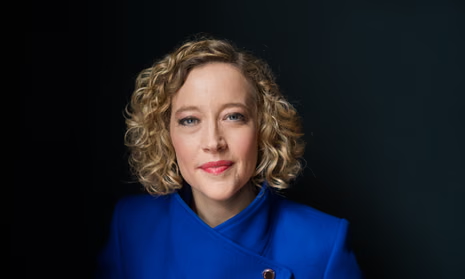
    After 20 years reporting for Channel 4, journalist Cathy Newman delivered her final news bulletin on Thursday evening, leaving colleagues and viewers alike moved by her heartfelt goodbye.

    The 51-year-old presenter’s last show included a particularly emotional interview with the parents of Grace Pritchard, a 23-year-old woman who tragically took her own life after visiting an online suicide forum.

    Newman, known for her in-depth reporting across the globe—from the jungles of Congo to investigative work in South Africa and Kenya—showed a rare vulnerability during the interview, visibly holding back tears as she spoke with Grace’s parents about their devastating loss.

    The Tragic Story of Grace Pritchard

    Grace Pritchard struggled with anxiety during her teenage years and sought support on online forums.

    Her parents, Mary Pritchard and Bob Pritchard, revealed that Grace had obtained a regulated poisonous substance through an online pro-suicide forum.

    Police had previously intercepted a package addressed to Grace in April 2025, but tragically, she died four months later at her family home in the UK.

    Mary described her daughter as “bright, witty, and just perfect,” while Bob added, “It’s like you live your lives up until the day Grace died, and now our lives are just so much different.”

    The forum Grace used is linked to approximately 135 deaths in the UK, highlighting the dangers of online pro-suicide communities that remain accessible via VPNs despite supposed restrictions.

    Newman’s Emotional Farewell

    During the interview, Newman struggled to maintain composure as the parents recounted their loss.

    Bob reflected on his daughter’s personality, “She was a great pal. She was really witty and really good fun.

    I’ll miss her forever.” The segment not only underscored the tragedy of Grace’s death but also marked a deeply human moment for Newman herself, who shared tears and memories with her colleagues after the broadcast.

    Newman posted on X about her 20 years at Channel 4, citing experiences from international reporting to local investigations.

    She expressed gratitude for her colleagues and noted her next chapter at Sky News, where she will present the evening news at 7 pm.

    Channel 4 colleagues posted tributes, thanking her for her dedication and wishing her luck in her new role.

    The Wider Issue: Online Suicide Forums

    Grace’s death brings renewed attention to the risks posed by pro-suicide websites, which can be accessed even with supposed blocks in place.

    Regulators like Ofcom have been urged by families to crack down on these sites, which can have lethal consequences.

    Online communities that provide instructions or sell substances for self-harm are increasingly under scrutiny, with mental health experts warning that unrestricted access online can exacerbate vulnerable individuals’ struggles.

    Impact and Consequences

    • Loss of young lives linked to online suicide forums emphasizes the urgent need for stricter online regulation.
    • Families are left to navigate grief, trauma, and the emotional fallout of preventable deaths.
    • Increased public scrutiny of online platforms and calls for regulatory oversight to prevent similar tragedies.
    • Journalists reporting on sensitive subjects face emotional challenges while balancing professional responsibilities.

    What’s Next?

    • Ofcom and UK authorities may increase enforcement against pro-suicide websites.
    • Greater awareness campaigns on online safety and mental health resources could be launched.
    • Cathy Newman begins her new role at Sky News, continuing to cover critical and often sensitive stories.
    • Families like Grace’s continue advocacy for stricter control and public education regarding online dangers.

    Summary

    Cathy Newman’s final broadcast at Channel 4 was marked by an emotional interview with the parents of Grace Pritchard, whose death highlights the dangers of online pro-suicide forums.

    Newman departs the network after 20 years to join Sky News, leaving behind a legacy of fearless reporting and human connection.

    The tragedy underscores the urgent need for regulatory action and increased awareness around online platforms that can put vulnerable individuals at risk.

    Bulleted Takeaways

    • Cathy Newman concluded 20 years at Channel 4 with a tearful final broadcast.
    • She interviewed the parents of Grace Pritchard, a 23-year-old who died after accessing an online pro-suicide forum.
    • Grace’s death is linked to a forum responsible for around 135 UK deaths.
    • Her parents are calling for Ofcom to crack down on dangerous online websites.
    • Newman joins Sky News as the 7 pm news presenter following her departure.
    • The story highlights the risks of online communities facilitating self-harm.
    • Emotional impact is felt by families, journalists, and the wider public, emphasizing the need for

  • Governor Seyi Makinde Presents Staff of Office to Newly Elevated Obas in Ibadanland Despite Chiefs Absence

    Governor Seyi Makinde Presents Staff of Office to Newly Elevated Obas in Ibadanland Despite Chiefs Absence

    Oyo State is set for a significant traditional event today as Governor Seyi Makinde formally presents staff of office to newly elevated Obas in Ibadanland.

    The announcement came from Commissioner for Information, Dotun Oyelade, who confirmed that the ceremony would take place at the historic Mapo Hall at 10 a.m.

    The elevated monarchs include Senator Sharafadeen Alli, promoted to Ekarun Balogun, Bolaji Adewoyin to Ekerin Balogun, and Kola Babalola to Ekarun Olubadan.

    With this promotion, the three high chiefs ascend to Obaship status, attaining elevated rank within the state traditional council.

    Preparations Marred by Absences

    Despite official announcements, reports from family compounds and town sources suggest that preparations for the ceremony are minimal.

    Investigations reveal that the three promoted high chiefs will be conspicuously absent from the event.

    One high chief present in Ibadan stated he would not attend.

    Sources cited logistical and personal reasons: one chief is overseas for medical treatment, another is on a national assignment in Abuja, and a third has commitments elsewhere.

    These absences have raised questions about the timing and planning of the coronation.

    Political Undertones and Controversy

    The boycott by the chiefs is also linked to political undertones.

    Senator Alli, in particular, is reported to be at the center of controversy as a potential consensus candidate for the All Progressives Congress (APC) in the 2027 Oyo State governorship election.

    Some sources indicate that the short notice given by the government for the coronation partly fueled the chiefs’ decision to remain absent.

    Government’s Position

    Despite the reported absences, the state government insists the coronation will proceed as planned.

    Commissioner for Local Government and Chieftaincy Affairs, Ademola Ojo, emphasized that the ceremony’s announcements on air confirm the event will hold.

    The Olubadan of Ibadanland, Oba Rashidi Ladoja, also clarified his position, stating that he returned from Lagos and that there is no rift between himself and Governor Makinde.

    He confirmed that the absence of the chiefs is due to their personal schedules and not any conflict with the government.

    Makinde’s Record in Chieftaincy Installations

    The ceremony is part of Governor Makinde’s broader effort to strengthen traditional institutions.

    Since 2019, Makinde has installed 12 kings and over 40 Baales, a feat described as unprecedented in Oyo State history.

    The current event highlights the administration’s commitment to preserving cultural heritage.

    Impact and Consequences

    The absence of the promoted Obas could affect the perceived legitimacy and smooth execution of traditional protocols.

    It also underscores the intersection of politics and chieftaincy matters in Oyo State, potentially raising tensions among stakeholders.

    Public perception may be influenced by how the government and Olubadan manage communications around the event.

    What’s Next?

    The state government may reschedule a follow-up ceremony to formally install the absent chiefs once their schedules allow.

    Meanwhile, attention is likely to remain on the political implications of the boycott, particularly regarding Senator Alli’s future governorship ambitions.

    Summary

    Governor Seyi Makinde is set to present staff of office to three newly elevated Obas in Ibadanland, despite their absence due to personal and political reasons.

    The event reflects Makinde’s ongoing commitment to reinforcing traditional structures but also highlights challenges at the intersection of politics and cultural heritage.

    Bulleted Takeaways

    • Governor Seyi Makinde to present staff of office to three newly elevated Obas in Ibadanland.
    • Senator Sharafadeen Alli promoted to Ekarun Balogun; Bolaji Adewoyin to Ekerin Balogun; Kola Babalola to Ekarun Olubadan.
    • Absences reported: one chief overseas for medical treatment, one on national duty, another reportedly not in town.
    • Boycott linked partly to short notice and political undertones related to Senator Alli’s potential 2027 governorship bid.
    • Olubadan Oba Rashidi Ladoja confirms no rift with Governor Makinde; chiefs’ absence communicated officially.
    • Governor Makinde has installed 12 kings and over 40 Baales since 2019, strengthening traditional institutions.
    • Public and political attention likely to focus on follow-up ceremonies and implications for local politics.
    • Event underscores the delicate balance between cultural tradition and political interests in Oyo State.
  • Britain renames beloved breakfast favourite as EU labelling rules take effect

    Britain renames beloved breakfast favourite as EU labelling rules take effect

    A staple of the British breakfast table is set to get a new name as the UK aligns its food labelling standards with updated European Union regulations.

    This change affects products that have long been part of everyday routines, sparking curiosity and debate among consumers.

    The announcement comes as part of a broader effort to standardize food information across borders, making nutritional content, ingredient sourcing, and product categories clearer to shoppers.

    While the name change might seem minor, it represents a larger trend of regulatory alignment following Brexit.

    Why the Change Is Happening

    Under the new EU labelling framework, certain traditional names that were historically associated with a specific type of product will no longer be permitted if they don’t meet defined criteria.

    This ensures consistency and transparency for consumers across Europe.

    Food industry experts point out that this move is not meant to diminish the product’s popularity, but to prevent misleading naming practices.

    The change will affect packaging, marketing, and even online listings, ensuring that labels accurately reflect what’s inside.

    Public Reaction and Industry Response

    Many Britons have expressed surprise at the announcement, with social media buzzing over how a breakfast favourite will now appear differently on shelves.

    Food companies are working to educate consumers, emphasizing that the product itself remains unchanged in taste, quality, and ingredients.

    Supermarket chains and producers are preparing phased updates to labels, with some opting for creative marketing campaigns to reassure customers that their beloved breakfast item isn’t disappearing—just adopting a new name.

    Historical Context

    This isn’t the first time EU regulations have influenced product names in Britain.

    Past examples include restrictions on terms like “Champagne” and “Feta,” which can only be used for products originating from certain regions.

    Such rules aim to protect traditional producers and maintain quality standards across the EU market.

    Food historians note that breakfast staples often carry cultural significance, and even minor name changes can spark nostalgic reactions.

    Still, the core purpose of these regulations is consumer clarity and fairness in trade.

    Impact and Consequences

    The immediate impact will be on packaging and branding, requiring producers to redesign labels, update marketing materials, and train retail staff.

    Retailers may face minor logistical challenges during the transition period.

    Long-term consequences could include greater consistency in food labelling, improved transparency for consumers, and a potential boost in cross-border trade.

    However, companies risk short-term confusion or pushback from loyal customers who are attached to traditional names.

    What’s Next?

    Manufacturers are expected to roll out the new labelling gradually over the coming months.

    Consumer advocacy groups are likely to monitor the transition, ensuring that the renaming process is clear and doesn’t mislead shoppers.

    Additionally, public information campaigns will likely accompany the changes to prevent unnecessary alarm and reinforce that the product itself remains the same.

    The new rules may also prompt discussions about other traditional British foods potentially affected in future regulatory updates.

    Summary

    Britain’s alignment with updated EU labelling rules means a familiar breakfast favourite will soon appear under a new name on supermarket shelves.

    While the taste and quality remain unchanged, packaging and marketing will be adjusted to comply with legal standards.

    The move is part of a broader effort to ensure transparency, fairness, and consistency in food labelling across Europe.

    Bulleted Takeaways

    • A popular British breakfast product will be legally renamed under new EU labelling rules.
    • The change ensures accurate representation of product content and prevents misleading labels.
    • Consumers will see updated packaging, marketing, and online listings.
    • Taste, quality, and ingredients of the product remain unchanged.
    • Historical EU naming regulations have previously affected products like Champagne and Feta.
    • Companies will gradually implement the new labels to minimize disruption.
    • Public information campaigns are expected to accompany the transition.
    • The renaming may spark discussion about other traditional British foods.
    • Overall, the update aims to improve transparency and fairness in food trade.
  • Sussex Residents Force Cancellation of Migrant Training Day at Wilderness Wood

    Sussex Residents Force Cancellation of Migrant Training Day at Wilderness Wood

    A planned “training day” for male asylum seekers at Wilderness Wood in Sussex was abruptly canceled after strong opposition from residents.

    The event, designed to help newcomers settle in Britain, sparked anger when locals discovered the plan, highlighting the tension surrounding immigration in the region.

    The Controversial Event

    Wilderness Wood, a 60-acre retreat and education centre nestled in the Sussex Weald, was scheduled to host small boat migrants for a day of workshops, arts, crafts, and forest school activities.

    Organizers aimed to provide practical and emotional support to help the men adjust to life in the UK.

    However, the proposed event was only five miles from Crowborough, a town already at the center of national debate over migrant housing.

    The planned visit triggered immediate protests, with villagers voicing concerns about safety, particularly for women and children.

    Local Reaction

    Residents expressed outrage on social media and in person.

    Many criticized the lack of communication before the announcement, describing it as “underhanded.”

    One local resident, Jim Smith, said, “The fact they were considering having migrants coming here for lessons, training days, is shocking.”

    Videos circulated online showed locals gathering outside the centre, and Facebook groups amplified the controversy.

    A poster titled “Safeguard our Children at Wilderness Woods” encouraged residents to demand clearer policies regarding unfamiliar individuals in areas frequented by children.

    Organizers Respond

    Dan Morrish and Emily Charkin, owners of Wilderness Wood, eventually canceled the event, citing threats and community concerns.

    “We have dropped plans to host a small group of asylum seekers for a visit to the woods, due to threats from some groups and individuals,” the centre stated online.

    While the cancellation quelled immediate tensions, it has highlighted the challenges faced by organizations attempting to integrate asylum seekers into small communities with limited amenities and high local scrutiny.

    Rising Tensions in Crowborough and Surrounding Areas

    Crowborough has become a focal point in the ongoing debate over single male asylum seekers.

    Around 540 men are planned to be housed in the area, with 80 having already arrived in January.

    Weekly protests take place on Sundays, reflecting persistent local unease.

    The Home Office has faced criticism for lack of transparency, particularly regarding incidents such as an alleged February stabbing, which authorities have not clearly addressed.

    Impact and Consequences

    The event’s cancellation demonstrates the sensitivity surrounding migrant integration in rural communities.

    It underscores the friction between local populations and national immigration policies, as well as the challenges in balancing humanitarian goals with community concerns.

    Tensions could escalate if communication between authorities and residents remains limited, and local hostility may discourage future integration initiatives in small towns.

    What’s Next?

    The Home Office and local authorities may need to engage more proactively with communities to prevent similar disputes.

    Meanwhile, organizations like Wilderness Wood must weigh security concerns against their mission to provide support for newcomers.

    The debate in Crowborough and surrounding villages is likely to continue, particularly as more asylum seekers arrive.

    Summary

    A planned migrant training day in Sussex was canceled after strong opposition from residents fearing for local safety and lack of consultation.

    The controversy highlights broader tensions in East Sussex over asylum seeker housing and integration, reflecting national debates on immigration policy and community engagement.

    Key Takeaways

    • A training day for male asylum seekers at Wilderness Wood in Sussex was canceled due to local protests.
    • The event aimed to help newcomers adjust to life in the UK through workshops and emotional support.
    • Crowborough and surrounding villages are already tense over plans to house hundreds of single male migrants.
    • Residents criticized the Home Office for poor communication and transparency regarding incidents.
    • The cancellation reflects the challenges of integrating asylum seekers into small rural communities.
  • Donald Trump considers firing senior Cabinet members in Washington amid Pentagon leadership purge

    Donald Trump considers firing senior Cabinet members in Washington amid Pentagon leadership purge

    President Donald Trump is reportedly weighing major changes in his Cabinet this week, following the high-profile departure of Attorney General Pam Bondi.

    Sources indicate that several senior officials, including Commerce Secretary Howard Lutnick and Labor Secretary Lori Chavez-DeRemer, could be under scrutiny.

    Meanwhile, FBI Director Kash Patel and Secretary of the Army Dan Driscoll have also been flagged in media reports as potential departures.

    The backdrop of these developments is a broader shake-up in the Army orchestrated by Defense Secretary Pete Hegseth, who has dismissed multiple high-ranking officers over the last 48 hours.

    Army Purges Intensify

    The Pentagon confirmed that two more senior officers were removed on Thursday: General David Hodne and Major General William Green Jr.

    These firings followed the sudden retirement of General Randy George, who was the senior-most uniformed officer in the Army.

    Hegseth’s moves come amid tension with Secretary Driscoll and reports of clashes over the administration’s strategic vision for the Army.

    Vice Chief of Staff General Christopher LaNeve has been appointed as acting chief of staff, described by Pentagon officials as a “battle-tested leader” fully aligned with Hegseth’s directives.

    Cabinet Uncertainty

    While discussions about potential firings continue, the White House has insisted that no final decisions have been made regarding Lutnick or Chavez-DeRemer.

    A spokesperson emphasized the president’s confidence in their work, highlighting accomplishments for American workers and economic initiatives.

    The speculation extends to Director of National Intelligence Tulsi Gabbard, following the resignation of her aide Joe Kent, although the White House strongly denied any plans to remove her.

    Pam Bondi’s Departure

    Attorney General Pam Bondi announced her exit following a tenure marked by historic legal achievements and controversies.

    Bondi cited accomplishments such as lowering the national murder rate, securing terrorism convictions, targeting gang networks, and winning multiple Supreme Court cases.

    She will assist in transitioning the Justice Department to Deputy Attorney General Todd Blanche, who will serve as acting attorney general.

    Bondi reflected positively on her service, acknowledging both her successes and the challenges she faced during her tenure, including handling the Jeffrey Epstein case, which drew significant public scrutiny.

    Impact and Consequences

    The potential Cabinet reshuffle and ongoing Army purges raise questions about stability within the administration.

    Sudden personnel changes at top levels of government and the military could affect policy continuity, morale among senior officials, and public perception.

    Analysts warn that extensive turnover during a critical period—especially with 50,000 U.S. troops deployed in the Middle East—could complicate military readiness and strategic planning.

    Political implications are also significant, as a possible Democratic-controlled Congress next year could make replacements more difficult, giving the shake-up national political ramifications.

    What’s Next?

    Trump’s administration may confirm further personnel decisions in the coming days, while acting officials like Todd Blanche and Christopher LaNeve manage key departments.

    Lawmakers, military leaders, and Cabinet staff will be closely monitoring the situation to assess both operational and political impacts.

    Public reaction and media scrutiny are expected to intensify as details emerge.

    Summary

    Following the departure of Attorney General Pam Bondi, President Trump is contemplating additional Cabinet changes amid a sweeping purge of senior Army officers.

    While speculation surrounds figures including Lutnick, Chavez-DeRemer, Patel, and Driscoll, the White House maintains confidence in its team.

    The situation underscores a high-stakes moment for both the executive branch and the U.S. military as leadership transitions unfold during ongoing international commitments.

    Key Takeaways

    • President Trump may fire additional Cabinet members following Pam Bondi’s exit.
    • Commerce Secretary Howard Lutnick and Labor Secretary Lori Chavez-DeRemer are reportedly under review.
    • FBI Director Kash Patel and Army Secretary Dan Driscoll have also been flagged in media reports.
    • Defense Secretary Pete Hegseth has purged multiple high-ranking Army officers, including Generals George and Hodne.
    • Acting officials, including Todd Blanche and Christopher LaNeve, are stepping into key roles.
    • The shake-up occurs as 50,000 U.S. troops are deployed in the Middle East.
    • Political and operational implications are significant, particularly if Congress changes party control next year.
  • IMF warns tokenization could threaten financial stability while boosting transparency in global markets

    IMF warns tokenization could threaten financial stability while boosting transparency in global markets

    The International Monetary Fund has highlighted the growing influence of tokenization on financial markets, acknowledging its potential to streamline processes and increase transparency while cautioning about risks to stability.

    Tokenization—the process of converting real-world assets into digital tokens on blockchain networks—is gaining momentum, but its broader implications remain uncertain.

    “The net effect of tokenization on financial stability is uncertain,” the IMF said in a 23-page report released Thursday.

    While atomic settlement and enhanced transparency can reduce traditional market risks, rapid automation and system speed introduce new vulnerabilities.

    Tokenization’s Expanding Market

    Currently, over $27.6 billion worth of real-world assets have been tokenized on-chain, excluding stablecoins, according to RWA.xyz.

    Projections for the market vary widely: the Boston Consulting Group in 2022 suggested tokenization could reach $16 trillion by 2030, whereas McKinsey & Co in 2024 offered a more conservative $2 trillion estimate.

    The IMF noted that tokenization fundamentally changes how securities and other financial products are issued, traded, settled, and managed.

    However, it also shifts risks away from banks to shared ledgers and smart contract code.

    “Stress events in tokenized markets are likely to unfold faster than in traditional systems, leaving less time for discretionary intervention,” the report warned.

    Opportunities and Emerging Market Potential

    Despite risks, tokenization could benefit emerging markets.

    Faster cross-border payments, reduced friction in trading, and greater financial inclusion are cited as major advantages.

    Yet, the IMF warned that tokenization could also trigger volatile capital flows, rapid currency substitution, and challenges to national monetary control.

    Wall Street Pushes Tokenization

    Major financial players are actively embracing tokenization.

    BlackRock CEO Larry Fink has advocated tokenizing stocks, bonds, real estate, and money market funds.

    Securitize, which powers the BlackRock USD Institutional Digital Liquidity Fund, is currently the largest real-world asset (RWA) project by total value locked, at $3.38 billion.

    Close competitors include Tether Gold ($3.35 billion) and Ondo Finance ($3.21 billion).

    The Intercontinental Exchange, owner of the New York Stock Exchange, announced in January a tokenization platform to allow 24/7 trading and instant settlement of stocks and ETFs using blockchain post-trade systems.

    Legal and Compliance Challenges

    The IMF emphasized that legal uncertainty could hinder the development of tokenized markets.

    Without clarity on ownership records and settlement finality, tokenized markets risk becoming fragmented and peripheral.

    To address these concerns, the crypto industry has introduced solutions such as the Ethereum ERC-3643 permissioned token standard, ensuring that only qualified investors can access certain tokenized products.

    On March 20, Coinbase Asset Management launched tokenized shares for the Coinbase Bitcoin Yield Fund on Ethereum layer 2 Base, implementing ERC-3643 standards for compliance and identity verification with Apex Group.

    Impact and Consequences

    • Tokenization could improve market efficiency and transparency but introduce new systemic risks
    • Faster settlement and automation may reduce intervention time during stress events
    • Legal and regulatory uncertainty threatens market fragmentation
    • Emerging markets may benefit from enhanced access to financial products
    • Wall Street and institutional players could accelerate adoption, shaping global finance

    What’s Next?

    • Regulatory frameworks may evolve to provide clearer legal definitions for tokenized assets
    • Financial institutions could expand tokenization to more asset classes, increasing adoption
    • Smart contract and compliance technologies will continue developing to mitigate risks
    • Market participants may balance speed and efficiency against stability concerns

    Summary

    Tokenization stands at a crossroads between innovation and risk.

    The IMF report highlights both its transformative potential—faster settlements, transparency, and broader access to financial markets—and the new challenges it poses, including legal uncertainties, faster stress events, and possible threats to monetary control.

    With Wall Street and blockchain platforms driving adoption, tokenization is poised to reshape global finance, but careful management and regulation are critical.

    Key Takeaways

    • IMF warns tokenization has both benefits and risks for financial stability
    • Over $27.6 billion in real-world assets are currently tokenized on-chain
    • Tokenization shifts some risks from banks to blockchain networks and smart contracts
    • Emerging markets could gain faster cross-border payments and financial inclusion
    • Wall Street leaders, including BlackRock, are actively promoting tokenized assets
    • Legal clarity and compliance standards like ERC-3643 are essential to prevent market fragmentation
  • Chinese authorities extradite Li Xiong to face crypto fraud and money laundering charges in China

    Chinese authorities extradite Li Xiong to face crypto fraud and money laundering charges in China

    Chinese law enforcement has struck another major blow against one of the world’s largest cryptocurrency scams.

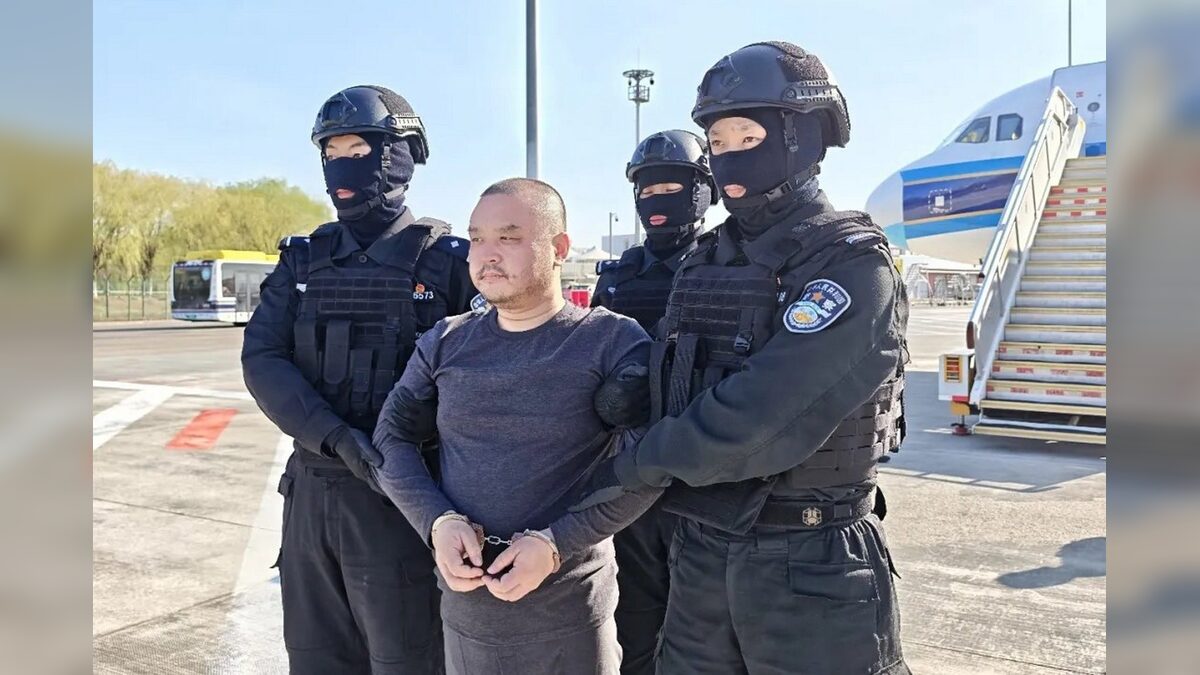
    Li Xiong, former chairman of Huione Group, was extradited from Phnom Penh, Cambodia, to China on April 1.

    He now faces charges including fraud and money laundering, following the January arrest of syndicate leader Chen Zhi.

    The move underscores China’s methodical approach to dismantling the criminal network, targeting top leadership in stages.

    Li Xiong had briefly been arrested and released in January before authorities secured his formal extradition two months later.

    Huione Group: A Global Crypto Fraud Machine

    Huione Group was the financial engine behind widespread scams across Southeast Asia, notably “pig butchering” schemes.

    In these long-con cons, criminals form fake online relationships with victims, coaxing them into fraudulent crypto investments before draining their accounts.

    Blockchain analytics firm Elliptic estimates that Huione processed over $89 billion in crypto assets, marking it as one of the largest illicit cryptocurrency operations ever tracked.

    Victims spanned multiple countries, as funds were funneled through Huione’s infrastructure to obscure the origin of stolen assets.

    The $15 Billion Bitcoin Seizure

    Earlier this year, the US Department of Justice seized 127,271 Bitcoin linked to Chen Zhi, worth over $15 billion at current market rates.

    This massive haul ranks among the largest cryptocurrency seizures in history.

    Concurrently, the US Treasury Department’s Financial Crimes Enforcement Network (FinCEN) barred Huione Group from the US banking system, cutting off its access to dollar-based financial channels.

    With Chen Zhi and Li Xiong in custody, the group’s operations are severely restricted.

    Authorities in China have already apprehended several other key members and issued public warnings to remaining fugitives, emphasizing that cooperation could lead to leniency but that time to surrender is limited.

    International Reach and Impact

    Huione’s operations were not limited to Southeast Asia.

    The syndicate impacted victims globally, laundering proceeds through complex networks and cryptocurrency exchanges.

    Analysts warn that remnants of the network may still exist, but the dual pressure of Chinese enforcement and US financial restrictions is rapidly constricting its reach.

    The arrest of Li Xiong demonstrates growing international collaboration in combating cryptocurrency fraud, highlighting the capability of authorities to pursue financial criminals across borders.

    Impact and Consequences

    The dismantling of Huione Group has significant implications for the cryptocurrency ecosystem.

    Beyond the $15 billion seizure, the case serves as a warning to other fraudulent operators: multinational coordination can and will reach even the most sophisticated schemes.

    Financial institutions worldwide are likely to tighten compliance measures, while regulators may accelerate scrutiny of crypto investment platforms, particularly those offering high-yield returns with minimal transparency.

    What’s Next?

    Chinese authorities are expected to continue pursuing remaining syndicate members.

    Trials for Chen Zhi and Li Xiong will likely reveal further details of the network’s operations, potentially implicating additional participants.

    At the same time, law enforcement agencies around the world are reviewing financial channels and exchanges used by Huione to prevent similar schemes.

    Investors and crypto platforms are now under pressure to implement stricter anti-fraud controls.

    Summary

    Li Xiong’s extradition from Cambodia marks the latest milestone in a global crackdown on Huione Group, one of the largest crypto fraud syndicates in history.

    With the seizure of over $15 billion in Bitcoin and the arrest of top leaders, China and its international partners are sending a clear message: sophisticated cryptocurrency crimes will not go unpunished.

    Bulleted Takeaways

    • Li Xiong, former Huione Group chairman, extradited from Cambodia to China on fraud and money-laundering charges.
    • Chen Zhi, syndicate leader, was arrested in January; both represent top-tier leadership of the network.
    • Huione Group operated “pig butchering” scams, processing over $89 billion in crypto assets.
    • US authorities seized 127,271 Bitcoin linked to Chen Zhi, worth over $15 billion.
    • US Treasury barred Huione from the American banking system, cutting access to dollar-denominated finance.
    • Remaining syndicate members face public warnings from Chinese authorities; cooperation may reduce penalties.
    • Case highlights growing international collaboration against cryptocurrency fraud.
    • Impacts include tighter regulatory oversight and increased compliance demands for crypto platforms globally.
  • Dak Prescott Cancels Wedding and Faces Emotional Fallout in Lake Como ItalyDak Prescott Cancels Wedding and Faces Emotional Fallout in Lake Como Italy

    Dak Prescott Cancels Wedding and Faces Emotional Fallout in Lake Como ItalyDak Prescott Cancels Wedding and Faces Emotional Fallout in Lake Como Italy

    NFL star Dak Prescott and his ex-fiancée Sarah Jane Ramos are navigating the painful aftermath of a sudden split that stunned friends, family, and fans alike.

    Sources tell the Daily Mail that the pair are caught in an “emotional mess,” still processing the shock of their wedding’s cancellation just weeks before the ceremony.

    The couple, both 32, had planned a lavish celebration in Lake Como.

    The wedding was abruptly called off following claims that Prescott had been messaging other women through incognito social media accounts.

    The split occurred shortly after a joint bachelor-bachelorette party in the Bahamas, intensifying the drama surrounding their relationship.

    Struggling to Process the Reality

    Friends close to Prescott and Ramos say both are grappling with the sudden collapse of what was meant to be a joyful milestone.

    “For Dak and Sarah, everything feels a bit surreal,” one insider told the Daily Mail.

    With two young daughters—Margaret, 2, and Aurora, 10 months—the couple cannot fully step away from each other, and daily interactions remain inevitable.

    “They haven’t had the space to fully cry or work through it,” the source added.

    “They are holding up okay day-to-day but the next few days, especially approaching the date of what would have been their wedding, will be rough.”

    Custody and Legal Negotiations

    Amidst the emotional turmoil, Prescott reportedly filed a Suit Affecting the Parent-Child Relationship (SAPCR) in Collin County, Texas, seeking joint managing conservatorship of their daughters.

    Negotiations have so far remained amicable, and the couple has agreed to postpone the first hearing to attempt resolution outside of court.

    Prescott’s attorney, Levi G. McCathern II, told Page Six that both parents are focused on fostering a healthy co-parenting relationship.

    “Dak is looking forward to working with Sarah Jane to develop a healthy co-parent relationship and do what is in the best interests of his children,” McCathern said.

    Infidelity and Personal Wellbeing

    While the alleged infidelity is widely cited as a key factor in the breakup, sources suggest Ramos also feared that marriage would leave her unhappy.

    “Sarah realized that is how the relationship was going and she had to get out before it was too late,” a source explained.

    Her decision reportedly prioritized personal wellbeing over remaining in a loveless marriage.

    In the aftermath, Ramos has updated her social media, removing references to her engagement while highlighting friendships that support her through challenging times.

    Prescott, meanwhile, made a brief public appearance with former Cowboys coach Jason Garrett, signaling a tentative return to public life.

    Family and Public Statements

    The couple has two daughters, MJ and Aurora Rayne, who remain the central focus amid the emotional upheaval.

    The former fiancés sent a joint message to guests explaining the cancellation, apologizing for any inconvenience and requesting prayers.

    Their engagement had begun in October 2024, seven months after MJ’s birth, following Prescott’s $240 million contract extension with the Dallas Cowboys.

    The couple’s history reflects a mix of personal milestones and professional achievements, now overshadowed by their sudden separation.

    Impact and Consequences

    • Emotional strain on both Prescott and Ramos as they adjust to life post-engagement
    • Challenges in co-parenting young daughters while navigating personal grief
    • Potential public scrutiny affecting both their personal and professional lives
    • Legal proceedings for custody agreements may prolong tension if negotiations falter

    What’s Next?

    • Completion of temporary custody arrangements for their daughters
    • Possible reconciliation in a platonic or cooperative co-parenting capacity
    • Public and private attempts to manage emotional healing and social media narratives
    • Monitoring by legal representatives to ensure children’s interests are prioritized

    Summary

    Dak Prescott and Sarah Jane Ramos’ engagement collapse highlights the emotional complexity of high-profile relationships.

    While infidelity concerns triggered the split, both parties are primarily focused on the wellbeing of their children.

    Temporary custody negotiations, public scrutiny, and the need to navigate daily interactions are shaping the difficult post-engagement period.

    Bulleted Takeaways

    • Prescott and Ramos called off their Lake Como wedding weeks before the ceremony
    • Alleged infidelity and personal wellbeing concerns cited as reasons for split
    • The couple shares two young daughters, Margaret (2) and Aurora (10 months)
    • Prescott filed for joint managing conservatorship in Collin County, Texas
    • Temporary custody arrangements are being negotiated amicably outside court
    • Both parties are still emotionally processing the breakup and its implications
    • Public appearances and social media updates reflect attempts to maintain composure
  • Circle Launches cirBTC Wrapped Bitcoin Targeting Institutional Investors on Ethereum

    Circle Launches cirBTC Wrapped Bitcoin Targeting Institutional Investors on Ethereum

    Circle, the stablecoin issuer behind USDC, announced Thursday that it is launching its own version of wrapped Bitcoin, called cirBTC.

    The move signals a direct challenge to established players like Coinbase and BitGo, as Circle targets institutional investors and DeFi participants.

    What Is cirBTC

    CirBTC will be backed 1:1 by Bitcoin and issued on Ethereum, giving institutions a secure and neutral way to use Bitcoin on decentralized platforms.

    Circle describes the asset as being tailored for over-the-counter desks, market makers, and lending protocols, offering a bridge between traditional finance and decentralized finance.

    The asset will also launch on Circle’s Arc blockchain and through the Circle Mint platform, making it accessible across multiple ecosystems.

    By wrapping Bitcoin in this way, institutions can use it across Ethereum-based DeFi platforms, unlocking lending, staking, and other financial products without selling their Bitcoin holdings.

    Joining a Competitive Market

    Circle is entering a crowded market. Currently, BitGo’s Wrapped Bitcoin (WBTC) dominates with a market cap around $8 billion, though supply has fallen from its 2021 peak.

    Coinbase also offers cbBTC, launched in September 2024, with a market cap of $5.9 billion and nearly 88,800 tokens in circulation.

    Other exchanges, such as Kraken, Binance, Gate, Huobi, and OKX, have also issued their own wrapped Bitcoin products, but these hold much smaller market shares compared to WBTC and cbBTC.

    Combined, WBTC and cbBTC account for roughly 208,000 BTC circulating in wrapped form.

    Institutional Demand Driving Growth

    Financial institutions have become increasingly significant buyers of Bitcoin.

    By offering wrapped tokens like cirBTC, Circle is tapping into the trend of institutional investors exploring decentralized finance, providing tools to use Bitcoin as collateral, liquidity, or in complex DeFi strategies without leaving the Bitcoin ecosystem.

    This development also points to growing institutional interest in interoperability between blockchains, as wrapped Bitcoin allows BTC to operate on networks like Ethereum, which would otherwise be inaccessible.

    Impact and Consequences

    Circle’s entry could intensify competition in the wrapped Bitcoin market, potentially affecting WBTC and cbBTC adoption.

    Institutions may gravitate toward cirBTC if they value Circle’s neutrality, technological infrastructure, or integration with its Arc blockchain.

    The move could also accelerate Bitcoin’s integration into DeFi, driving additional liquidity into Ethereum and other ecosystems.

    At the same time, regulatory scrutiny may increase as more institutional assets flow into wrapped forms of Bitcoin, particularly as DeFi continues to attract mainstream attention.

    What’s Next?

    Circle has not yet revealed the exact launch date for cirBTC or detailed its custodial arrangements.

    Market participants will watch closely to see how quickly Circle can scale supply and whether institutional investors adopt the token over incumbents.

    Additional expansions could include partnerships with other DeFi protocols, integrations with lending platforms, and potential cross-chain deployments beyond Ethereum and Arc.

    Summary

    Circle’s cirBTC introduces a new wrapped Bitcoin option aimed at institutional users and DeFi participants.

    Backed 1:1 by Bitcoin and launching on Ethereum and Circle’s Arc blockchain, it positions itself against leaders WBTC and cbBTC while highlighting the growing convergence of traditional finance and decentralized platforms.

    Key Takeaways

    • Circle announced cirBTC, a 1:1 Bitcoin-backed wrapped token.
    • The asset targets institutional users, OTC desks, and lending protocols.
    • CirBTC will launch on Ethereum, Circle’s Arc blockchain, and the Circle Mint platform.
    • The market is currently led by BitGo’s WBTC and Coinbase’s cbBTC.
    • Circle’s move could increase Bitcoin liquidity in DeFi and intensify competition among wrapped Bitcoin providers.
  • US sends thousands of troops to Middle East as tensions with Iran escalate

    US sends thousands of troops to Middle East as tensions with Iran escalate

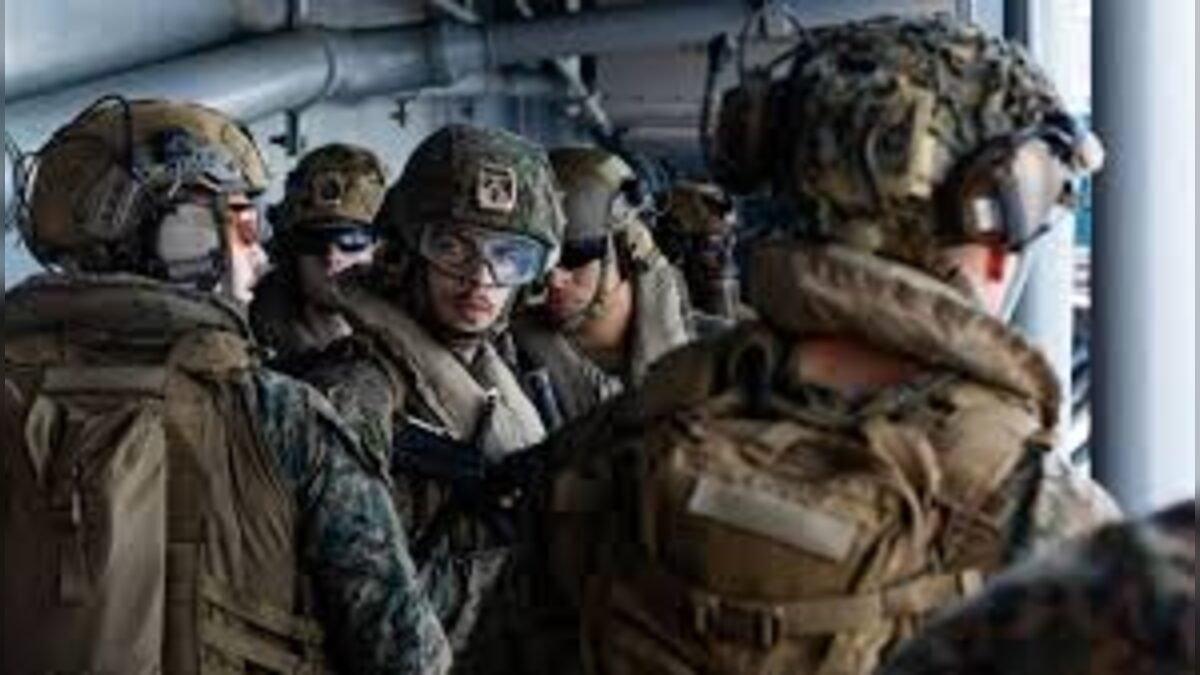
    The United States is sending thousands of additional troops to the Middle East, signaling a heightened military posture as regional tensions continue to escalate.

    Officials say the deployments are precautionary, aiming to safeguard American personnel and interests in the area.

    This surge comes amid growing concerns over conflicts involving Iran, proxy forces, and recent attacks on US allies in the region.

    Military planners emphasize that the move is defensive but underscores Washington’s commitment to stability in a volatile zone.

    What the Deployment Looks Like

    Sources indicate that the new troops will join existing forces stationed in countries like Saudi Arabia, Iraq, and Kuwait.

    The reinforcements include armored units, logistical support, and air defense systems designed to deter potential attacks and reassure regional partners.

    Defense officials are careful to frame the deployment as temporary, emphasizing that it is “calibrated” to meet specific threats rather than an escalation toward war.

    However, the sheer scale of personnel and equipment movement marks one of the largest US surges in recent years.

    Drivers Behind the Surge

    Analysts point to multiple factors prompting the increased presence.

    Tensions between the US and Iran remain high after recent missile strikes in the region, and American allies, including Israel and Gulf states, have expressed security concerns.

    Additionally, intelligence reports suggest that certain armed groups aligned with Tehran are preparing potential attacks against US facilities or personnel.

    The Pentagon has stated that reinforcing forces is “prudent and necessary” to prevent any surprise incidents.

    Reactions From Regional Players

    The troop increase has drawn attention across the Middle East. Governments in Iraq and Kuwait have publicly supported coordination with US forces to maintain security, while Iran’s leadership has criticized Washington’s moves as “provocative.”

    Regional security experts warn that such deployments, while defensive, may inadvertently trigger a cycle of escalation.

    Diplomatic channels remain open, but military presence often sends a mixed signal in tense environments.

    Impact and Consequences

    The immediate impact of deploying thousands of troops includes increased operational readiness for the US military and strengthened protection for embassies, bases, and key allies.

    Long-term consequences may include heightened regional tensions, influencing energy markets and geopolitical alliances.

    Increased US military presence could provoke responses from Iran-backed militias, potentially leading to skirmishes or indirect confrontations.

    The move also signals to global partners that the US is willing to commit resources to uphold its strategic interests in the Middle East, which could affect negotiations, arms deals, and regional diplomacy.

    What’s Next?

    US officials have not set a definitive end date for the deployment.

    Military leadership will continue to assess threats and adjust troop levels accordingly.

    In parallel, diplomatic efforts are expected to intensify.

    Secretary of State and regional ambassadors may pursue talks to prevent escalation, particularly with Gulf allies and international stakeholders concerned about conflict spillover.

    Observers will also watch for potential retaliation from Iran or proxy groups, which could test US military readiness and influence global markets.

    Summary

    The deployment of thousands of US troops to the Middle East represents a mix of caution and strategic signaling.

    While aimed at protecting personnel and allies, the move carries risks of further tension with Iran and its regional proxies.

    The situation is fluid, and both military and diplomatic actions in the coming weeks will determine whether this posture stabilizes or inflames the region.

    Bulleted Takeaways

    • The US is deploying thousands of additional troops to the Middle East to protect personnel and allies.
    • Forces will be stationed in countries including Saudi Arabia, Iraq, and Kuwait.
    • Deployment includes armored units, logistics, and air defense systems.
    • Rising tensions with Iran and regional proxy groups are key drivers behind the move.
    • Regional governments have mixed reactions; Iran criticizes the deployment as provocative.
    • The presence strengthens US operational readiness and reassures allies.
    • Risks include escalation, retaliation by militias, and impacts on global energy markets.
    • Diplomatic channels remain open, but the situation is highly fluid.
    • Military leadership will monitor threats and adjust deployments as needed.
  • Long-lost Mother Clanger puppet returns to Canterbury museum after more than 50 years in Ireland attic

    Long-lost Mother Clanger puppet returns to Canterbury museum after more than 50 years in Ireland attic

    In a story that feels like something straight out of a children’s television plot, Mother Clanger—the matriarch of the beloved moon-dwelling Clanger family—is finally back in her rightful place.

    After being stolen from a London exhibition in 1973, the iconic puppet has reunited with her family on display at Canterbury’s Beaney House of Art and Knowledge.

    Fans of the 1970s BBC1 stop-motion series can now see her alongside Small, Tiny, and Major Clanger, decades after her mysterious disappearance.

    A Theft That Lasted Half a Century

    Mother Clanger went missing from an exhibition in London over fifty years ago, leaving her family of puppets in a Kent museum while she vanished without a trace.

    For generations of fans, the disappearance was an unsolved mystery.

    The breakthrough came unexpectedly with a deathbed confession from Michael O’Connor, an Irishman who admitted to his son, Michael Burke, that he and a teenage accomplice had stolen the puppet.

    The pair had secreted her away in a bag in their attic for decades.

    Discovery and the Journey Home

    Upon learning the truth, Michael Burke retrieved Mother Clanger and contacted Canterbury City Council’s Museums and Galleries team to arrange her return.

    The puppet, surprisingly well-preserved despite years in storage, was reunited with her family, bringing joy to museum staff, fans, and the family of the late creator Peter Firmin.

    Emily Firmin, one of Peter Firmin’s daughters, described the reunion: “Despite her years in an attic box, Mother Clanger was in remarkable condition and still radiating her unique charm.

    The faded wool and tip of her nose don’t diminish her character.

    We’re thrilled to have her back with her family.”

    The Cultural Significance of Mother Clanger

    Mother Clanger isn’t just a puppet; she represents a piece of British television history.

    The Clangers first aired in 1969, spinning off from a Noggin the Nog episode, and ran until 1974.

    The family lived on a small, moon-like planet, eating Blue String Pudding and Green Soup collected by the Soup Dragon—a detail that even inspired the name of a 1990s Scottish rock band.

    The series was revived in 2015 with a newly created Mother Clanger, narrated by Michael Palin, running 104 episodes until 2020.

    Now, the original Mother Clanger is on display alongside other Firmin and Postgate creations, including Bagpuss, in the Smallfilms Gallery at The Beaney.

    Impact and Consequences

    The return of Mother Clanger closes a long-standing chapter of mystery, theft, and eventual redemption.

    For the museum, it strengthens the cultural and historical appeal of the Smallfilms Gallery, attracting both nostalgic fans and new generations of visitors.

    The story also highlights the importance of provenance and preservation in museums, showing how even long-lost artifacts can resurface, reconnecting communities with shared cultural history.

    What’s Next?

    Mother Clanger will remain on permanent display at The Beaney, offering fans and visitors the chance to see the original puppet alongside her family.

    There may also be special exhibitions and programming highlighting the history of the Clangers, stop-motion animation, and the Smallfilms legacy.

    Summary

    After more than 50 years, Mother Clanger has returned to England, reuniting with her puppet family at Canterbury’s Beaney House.

    A deathbed confession revealed the decades-long theft, allowing the beloved character to finally take her place in the Smallfilms Gallery.

    Her return underscores the enduring appeal of the Clangers and preserves an important piece of British cultural heritage.

    Key Takeaways

    • Mother Clanger was stolen from a London exhibition in 1973 and has now returned to Canterbury.
    • The puppet was recovered after a deathbed confession by one of the teenage thieves.
    • She is reunited with her family, Small, Tiny, and Major Clanger, in the Smallfilms Gallery.
    • The Clangers originally aired from 1969–1974 and were revived in 2015 with narration by Michael Palin.
    • The return strengthens the cultural and historical significance of The Beaney’s collection.
    • The story highlights the value of preserving and recovering lost cultural artifacts.
  • Paris authorities cancel Muslims of France annual meeting over terror threats and foiled bomb attack

    Paris authorities cancel Muslims of France annual meeting over terror threats and foiled bomb attack

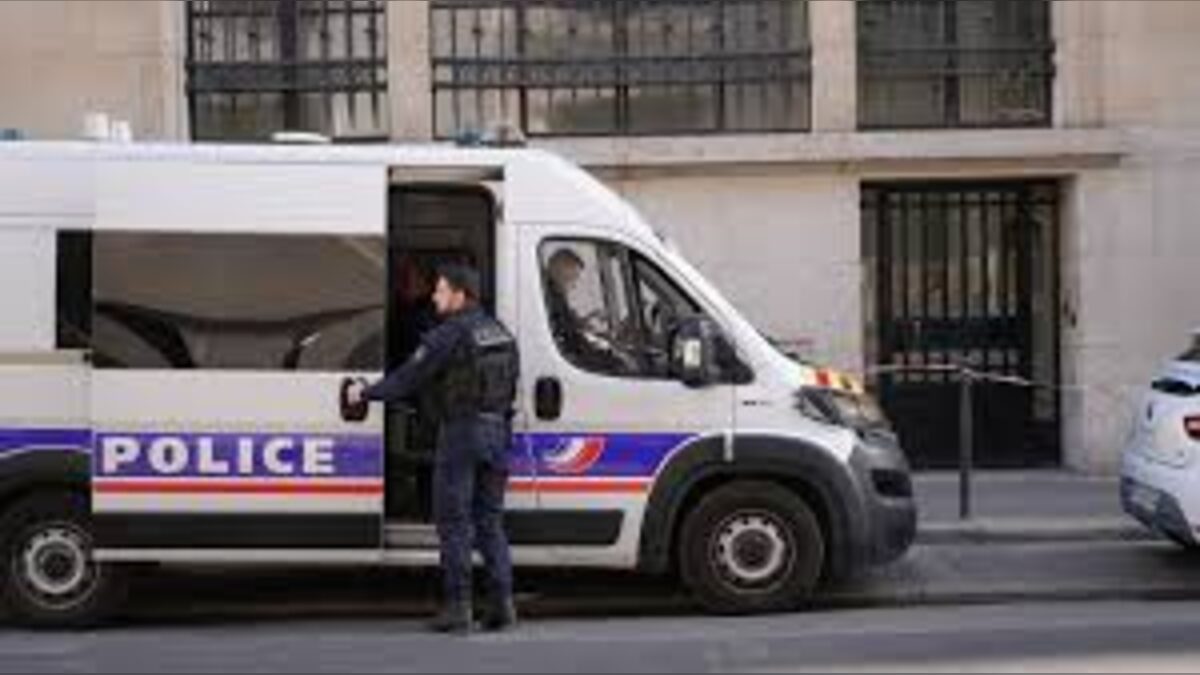
    France’s 40th annual gathering of Muslims has been officially canceled due to heightened concerns over potential terror threats, Paris Police Chief Patrice Faure announced on Thursday via X.

    The event, originally scheduled from April 3 to April 6 at the Paris–Le Bourget Exhibition Centre, was called off at the request of Interior Minister Laurent Nunez.

    Faure explained that the decision comes amid elevated risks of terrorism and public disturbances in Paris, where authorities plan to maintain a significant police presence in the coming days.

    The announcement follows last weekend’s foiled bomb attack targeting Bank of America offices, believed to be connected to tensions arising from the ongoing US-Israeli war on Iran.

    Organizers Pledge Legal Challenge

    Makhlouf Mameche, head of the organization responsible for the event, confirmed the ban and stated that the group intends to pursue legal action against the prohibition.

    Mameche emphasized the importance of the annual gathering, which attracts thousands of participants from across Europe, and argued that the cancellation infringes upon their rights to assembly and religious practice.

    Religious Leaders Support Ban

    French Imam Hassen Chalghoumi publicly backed the government’s decision, calling it a demonstration of responsibility and political courage.

    Chalghoumi described the gathering as “the largest Muslim Brotherhood assembly in Europe” and stressed that protecting public safety and national values must take priority over mass gatherings in times of elevated risk.

    Growing Scrutiny of the Muslim Brotherhood

    The cancellation comes amid increasing scrutiny of the Muslim Brotherhood across Europe and the United States.

    In January, France’s National Assembly adopted a resolution to place the organization on the European list of terrorist entities, a move that drew criticism from some left-wing parties accusing the government of Islamophobia.

    Other nations have taken similar measures:

    • In mid-March, the Dutch House of Representatives moved to ban the Muslim Brotherhood in the Netherlands.
    • In November 2025, Texas Governor Greg Abbott labeled the group a foreign terrorist and transnational criminal organization.

    Impact and Consequences

    • Tens of thousands of participants are affected by the sudden cancellation
    • Increased police presence signals heightened alert across Paris and other French cities
    • Legal disputes could arise between organizers and government authorities
    • Broader implications for Muslim Brotherhood-affiliated organizations in Europe
    • Heightened tensions could exacerbate societal divisions and anti-Islamophobia debates

    What’s Next?

    • Organizers are expected to file a legal challenge against the ban
    • Authorities will maintain heightened security at sensitive sites in Paris
    • Other European countries monitoring similar groups may adopt stricter measures
    • Religious and civic leaders may engage in dialogue to address public safety while safeguarding assembly rights

    Summary

    France’s Interior Ministry and Paris Police have canceled the 40th Annual Meeting of Muslims of France due to heightened terrorism and public order risks.

    While the decision has drawn praise from some religious figures, organizers are planning legal action.

    This move aligns with broader European and U.S. efforts to monitor and restrict Muslim Brotherhood activities.

    Key Takeaways

    • 40th annual Muslims of France meeting canceled amid terror threats
    • Paris authorities cite heightened security risks after foiled bomb plot
    • Organizers intend to challenge the ban legally
    • Imam Hassen Chalghoumi applauds government for prioritizing safety
    • Growing international measures against the Muslim Brotherhood inform France’s actions
    • Cancellation underscores tensions between public safety and rights to assembly and religious freedom
  • Irish Defence Forces execute high-risk personnel rotation at UN Post 2-45 in Lebanon amid escalating regional clashes

    Irish Defence Forces execute high-risk personnel rotation at UN Post 2-45 in Lebanon amid escalating regional clashes

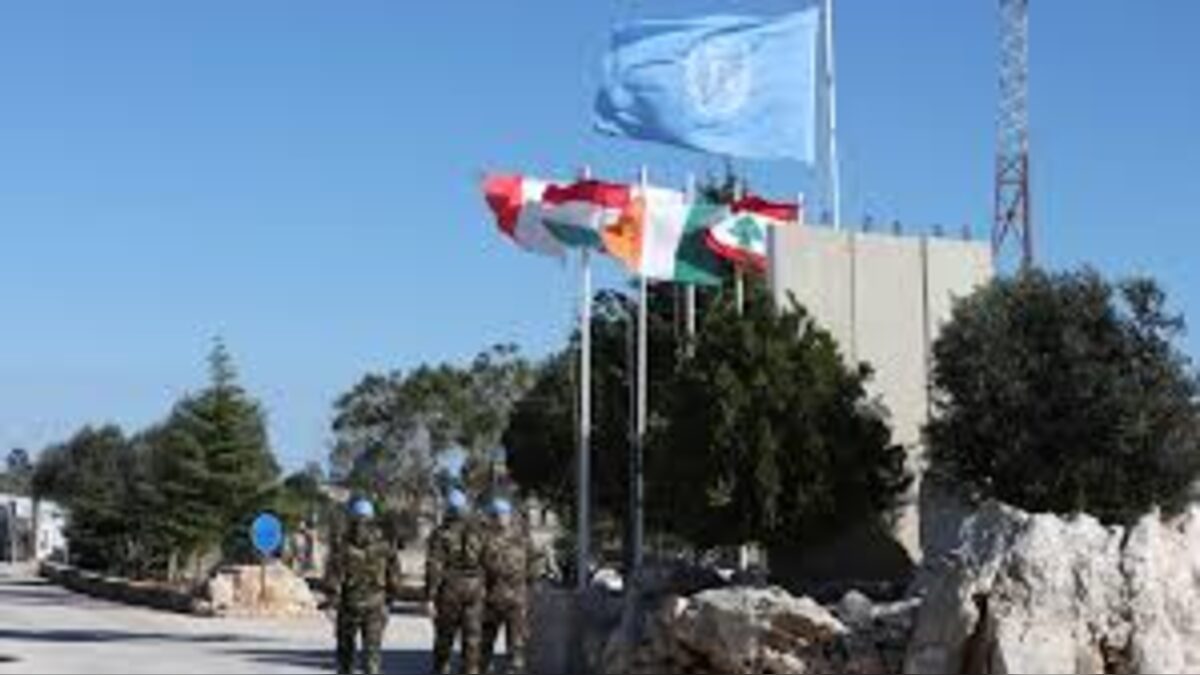
    Ireland’s Minister for Defence, Helen McEntee, was forced to abandon her planned trip to Lebanon following advice from the Defence Forces.

    She had intended to meet Irish peacekeepers serving under the United Nations Interim Force in Lebanon (Unifil), but military guidance deemed the visit “not tenable” amid rising tensions in the region.

    Chief of Staff Rossa Mulcahy confirmed that all Irish personnel deployed across UN missions in the Middle East remain “well and accounted for,” even as clashes between Hezbollah and the Israeli military intensify.

    Rising Risks for Peacekeepers

    The heightened threat environment has already seen incidents across UN missions: a Polish soldier in Ireland’s joint battalion with Poland suffered minor injuries from a roadside device, while three Indonesian peacekeepers were killed in separate explosions.

    McEntee reassured that Ireland is committed to peacekeeping and stabilizing Lebanon, emphasizing force protection and contingency planning as key priorities in an increasingly volatile environment.

    Strategic Reach Capability in Action

    The cancellation of the minister’s trip coincided with the Defence Forces’ first operational use of their “strategic reach” capability.

    Last week, personnel and equipment were rotated at UN Post 2-45, known as Camp Shamrock, using a C295 transport aircraft delivered to the Irish Air Corps last year.

    The operation involved a young female Air Corps pilot flying into a conflict zone to rendezvous with Army personnel.

    They conducted an armoured convoy from Camp Shamrock to Beirut Airport to complete the personnel and equipment handover — a first for the Irish Defence Forces in a conflict zone.

    Operational Challenges and Success

    This mission was necessary after a civilian air carrier cancelled a planned rotation due to increased risks in Beirut’s airspace.

    Key personnel, including medical staff and communications specialists, were successfully rotated despite these challenges.

    Over five to six days, operations personnel conducted risk assessments, secured departmental approvals, and executed the mission.

    A total of 26 personnel flew into Lebanon with approximately 600kg of equipment, while 17 returned.

    The operation included medics, pilots, and aircrew, as well as a medical repatriation and chaplain swap.

    Maintaining Safety Amid Combat Operations

    The rotation was carried out under ongoing combat conditions, with strikes visible around Beirut on the night prior to the landing.

    Troops used heavily armoured Mowag personnel carriers to secure the airport, ensuring a swift 30-minute turnover for the handover, followed by a four-hour return to Camp Shamrock.

    Colonel Denis Hanly emphasized the calm professionalism of personnel, praising the courage of those deployed and the strategic advantage provided by the C295 aircraft.

    This capability is expected to support future rotations, including in Kosovo.

    Impact and Consequences

    The operation demonstrates Ireland’s ability to maintain critical UN missions even amid escalating regional conflict.

    It also highlights the need for rapid adaptation to evolving threats and the importance of autonomous military airlift capabilities.

    The broader context includes ongoing Israeli strikes on bridges over the Litani River, which complicate access for Unifil operations.

    With over 1.3 million people displaced in Lebanon, including 300,000 children, the humanitarian and operational stakes remain high.

    What’s Next?

    The next personnel rotation is planned for May, with additional rotations expected in November to manage the winding down of the Unifil mission.

    Defence Forces planning is underway for the eventual conclusion of the UN mandate at the end of December, followed by a 12-month drawdown and final withdrawal.

    UN guidance will shape the logistics of this withdrawal, but concerns remain over resource constraints, manpower cuts, and the continuing need for a strong security footprint during the final operations.

    Summary

    Ireland’s Defence Forces successfully executed a high-risk rotation of personnel and equipment in Lebanon using the new strategic reach capability, even as Minister Helen McEntee’s visit was canceled due to security threats.

    The operation underscores Ireland’s commitment to UN peacekeeping while highlighting the complex logistical and safety challenges in a volatile conflict zone.

    Bulleted Takeaways

    • Minister Helen McEntee canceled her Lebanon visit on Defence Forces advice.
    • All Irish UN personnel remain accounted for amid escalating Hezbollah-Israel clashes.
    • Strategic reach capability enabled rotation of personnel and equipment to UN Post 2-45 (Camp Shamrock).
    • C295 aircraft and armoured convoys were key to operational success.
    • Operation included medics, communications specialists, chaplain swaps, and medical repatriation.
    • Israeli strikes on bridges and regional instability complicate mission logistics.
    • May and November rotations are planned, with longer-term drawdown and withdrawal strategies in place.
    • Operation highlights the Defence Forces’ flexibility and commitment to international peacekeeping.
  • Houthis Launch Ballistic Missiles to Target Israeli Military Sites in Southern Israel

    Houthis Launch Ballistic Missiles to Target Israeli Military Sites in Southern Israel

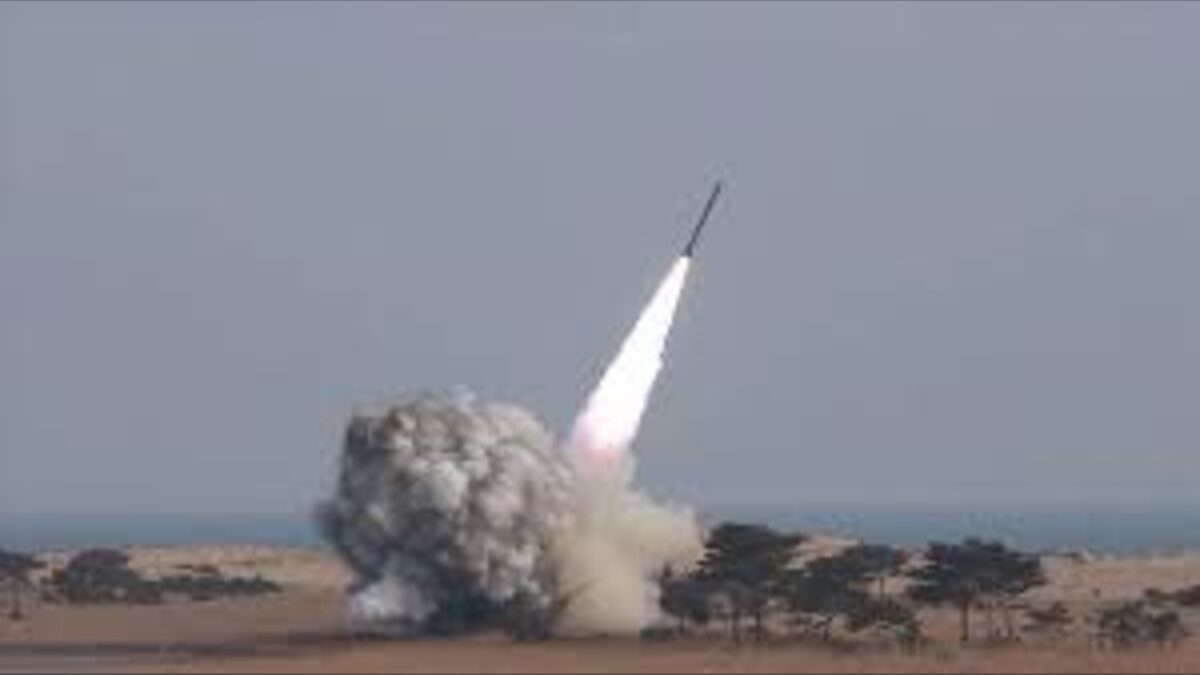
    On March 28, the Houthis, also known as Ansar Allah, escalated their involvement in the ongoing Middle East conflict by launching two ballistic missiles at southern Israel.

    Both projectiles were intercepted, but the move marks a new phase in the Iran-aligned coalition’s confrontation with Israel.

    The Houthis control about 30% of Yemen and govern most of its population, giving them significant influence on the ground.

    In a statement, spokesman Yahya Saree framed the attack as coordinated with Iranian and Lebanese allies.

    “The Yemeni Armed Forces, with the help of Allah Almighty… have carried out the first military operation using a barrage of ballistic missiles targeting sensitive Israeli military sites,” Saree said, emphasizing solidarity with Iran and Hezbollah operations.

    From Minor Incidents to Strategic Moves

    The Houthis’ previous actions against Israel have been relatively limited.

    During the Gaza conflict, missile and drone strikes caused casualties, including a civilian death in Tel Aviv in July 2024, but these incidents were small compared to the broader war involving Hamas, Hezbollah, and Iran.

    Their more consequential previous impact was on global shipping through the Bab el-Mandeb Strait, a critical passage for 10%-12% of worldwide maritime trade.

    Houthi attacks on commercial vessels caused traffic through the strait to drop by 90%, forcing rerouting around Africa’s Cape of Good Hope.

    The organization paused these attacks under a 2025 ceasefire with the US, but the potential to disrupt shipping remains.

    The Bab el-Mandeb and Global Trade

    While the Houthis don’t control the southern tip of Yemen, their reach along the coast, including the port of Hodeidah, allows missiles and drones to threaten ships in the Bab el-Mandeb.

    This becomes especially crucial with Iran effectively blocking the Strait of Hormuz, forcing more vessels to use the Red Sea corridor for oil and trade.

    Saudi Arabia, for example, has relied on its east-west pipeline and the Red Sea port of Yanbu to move up to 7 million barrels of oil daily, compensating for the 15 million barrels usually transiting Hormuz.

    A renewed Houthi campaign against shipping here could severely disrupt oil markets, a concern already reflected in a 3% jump in oil prices following the missile strikes on Israel.

    Houthis’ Relationship with Iran

    The Houthis are not simply Iranian proxies—they are an indigenous movement with roots in Yemeni history and a distinct Shia identity.

    Unlike Hezbollah or Iraqi Kataib Hezbollah, which are directly controlled by Tehran, the Houthis retain some independent decision-making capacity.

    Yet, their military capabilities are closely tied to Iranian support.

    IRGC officers and other Iranian, Iraqi, and Lebanese personnel are deeply involved in training, supervising, and maintaining Houthi missile, drone, and intelligence systems.

    This integration makes it likely that Iran could request more aggressive actions, such as renewed attacks on Red Sea shipping, and the Houthis would comply.

    Escalation and a Fourth Front

    The ballistic missile attack marks a potential fourth front in the Iran-US-Israel conflict, alongside:

    1. The Israel-Iran missile/drone war
    2. Israel-Hezbollah confrontations in southern Lebanon
    3. Iraqi Shi’ite militias’ campaign against US and allied forces

    If fully engaged, the Houthi front could further disrupt global supply chains and trade, intensifying pressure on the global economy.

    The missile launches signal that Iran is raising the stakes and that the conflict may soon extend into critical maritime routes.

    Impact and Consequences

    • Potential disruption of global maritime trade through Bab el-Mandeb, critical for oil and goods flow
    • Increased risk to Saudi oil exports, already rerouted due to the Hormuz blockade
    • Escalation of the Middle East conflict into multiple fronts, complicating diplomacy and security
    • Heightened potential for US and Israeli military responses targeting Houthi positions

    What’s Next?

    Analysts are watching for:

    • Whether the Houthis will resume attacks on shipping through Bab el-Mandeb
    • Iranian strategy in coordinating the coalition while keeping certain capabilities in reserve
    • Global oil market responses to potential threats to shipping routes
    • Possible military escalation from the US, Israel, or Gulf allies in response to Houthi actions

    Summary

    The Houthis’ missile attack on Israel represents a significant escalation and adds a potential fourth front to the Iran-US-Israel conflict.

    Their geographic reach and Iranian-backed capabilities make them a strategic player capable of influencing both regional security and global trade routes.

    While attacks on Bab el-Mandeb shipping have not resumed, the threat remains, and global markets are already reacting.

    Bulleted Takeaways

    • Houthis launched ballistic missiles at southern Israel on March 28; both intercepted
    • The strike aligns with Iranian and Hezbollah operations, marking broader coalition engagement
    • Previously, Houthis disrupted 90% of Bab el-Mandeb shipping during the Gaza War
    • Iran provides military training, technology, and supervision to Houthi forces
    • Escalation opens a potential fourth front in the Iran-US-Israel conflict
    • Threats to global oil transport and supply chains could intensify if maritime attacks resume
    • Oil prices surged 3% following the Houthi missile strike, reflecting market concerns
  • NASA astronauts reveal life aboard Orion as Artemis II mission pushes toward the Moon from Florida

    NASA astronauts reveal life aboard Orion as Artemis II mission pushes toward the Moon from Florida

    For the first time, the four astronauts aboard NASA’s Artemis II mission have spoken about life aboard the Orion spacecraft.

    Reid Wiseman, Victor Glover, Christina Koch, and Canadian Space Agency astronaut Jeremy Hansen gave an exclusive interview detailing the challenges, surprises, and breathtaking moments of humanity’s latest lunar adventure.

    Sleeping in Space Isn’t as Easy as It Looks

    The crew described the quirky realities of catching rest while orbiting Earth.

    “Sleeping in space is a comical thing,” Wiseman joked, explaining their unique arrangements.

    Christina Koch hangs upside down like a bat in the docking tunnel, Glover squeezes into a cozy nook, Hansen stretches out in Seat One, and Wiseman finds refuge under the displays, ready for any emergencies.

    Despite limited rest, the astronauts are energized by the magnitude of their mission, keeping spirits high as they push farther from Earth than any humans have in decades.

    Launch Day: A Moment of Pure Awe

    The team revealed that the launch exceeded even their highest expectations.

    As the countdown approached zero, the SLS rocket fired flawlessly on its first attempt, leaving the astronauts stunned.

    “You’re trying to be professional, but the kid inside you wants to hoot and holler,” Glover said, describing the rush of exhilaration as they left Earth behind.

    Wiseman highlighted a particularly stunning moment when Mission Control reoriented Orion.

    From their vantage, the entire globe unfolded beneath them—from Africa to Europe—and the northern lights shimmered in the distance.

    “It paused all four of us in our tracks,” he said.

    Breaking Records and Making History

    Artemis II is humanity’s first lunar mission since 1972 and is set to travel a record-breaking 252,799 miles from Earth, surpassing Apollo 13’s previous distance.

    Koch reflected on the significance: “We’re here to build a legacy for the future.”

    She praised not only her fellow astronauts but the NASA team behind the scenes who made this journey possible.

    The mission’s trajectory relies on a free-return path around the moon, guided by both Earth and lunar gravity.

    A six-minute burn of the orbital maneuvering system engine sent Orion on its course, a feat likened to accelerating a car from 0 to 60 mph in just 2.7 seconds.

    Public Reactions and Spectacular Views

    Passengers on a Southwest Airlines flight captured the rocket launch from above, sharing footage of the soaring rocket and smoke trail against a blue sky.

    The video quickly went viral, with thousands expressing awe at the perspective of witnessing history from a commercial airplane.

    Social media users marveled at the timing and scale, praising both the astronauts and the pilots navigating airspace near the launch site.

    Artemis II and NASA’s Bigger Vision

    The mission is more than a single journey—it’s part of NASA’s multi-step plan to return humans to the Moon by 2028 and lay the groundwork for future Mars exploration.

    Artemis II aims to establish long-term human presence in space, explore economic opportunities beyond Earth, and maintain a leadership role against emerging lunar programs by other nations, particularly China.

    Despite a brief communications blackout during a satellite handover, NASA confirmed the issue did not affect the spacecraft or crew, and systems have since returned to full operation.

    Impact and Consequences

    Artemis II marks a critical milestone in human space exploration.

    Beyond breaking distance records, the mission underscores America’s strategic and technological leadership in space.

    It also reignites global competition for lunar exploration, with implications for international partnerships, space infrastructure, and commercial opportunities.

    What’s Next?

    Following Artemis II, NASA will focus on refining lunar travel techniques and advancing sustainable operations in orbit.

    The crew will continue their ten-day journey around the Moon, returning to Earth with insights to guide future Artemis missions.

    These findings will also influence preparations for Mars missions and future deep-space initiatives.

    Summary

    The Artemis II astronauts have offered an unprecedented look at life aboard Orion, from sleep quirks to awe-inspiring sights of Earth and space.

    This mission combines technical achievement with historical significance, setting the stage for a new era of human exploration beyond our planet.

    Bulleted Takeaways

    • Artemis II is the first human lunar mission since 1972, traveling farther than any previous crewed mission.
    • Astronauts face unique challenges aboard Orion, including unconventional sleeping arrangements.
    • The SLS rocket launch was flawless, leaving the crew awestruck.
    • Orion’s reorientation revealed spectacular views of Earth, including northern lights visible from orbit.
    • Mission trajectory uses a free-return path around the Moon, leveraging gravity to guide the spacecraft.
    • The mission supports NASA’s long-term goals for lunar exploration and future Mars missions.
    • A brief communications blackout occurred but did not affect spacecraft operation.
    • Public and social media engagement highlighted global fascination with Artemis II and space exploration.
    • Artemis II represents a strategic step in maintaining U.S. leadership in space amid global competition.
  • Supreme Court strikes down Colorado conversion therapy ban for LGBTQ minors in landmark free speech ruling

    Supreme Court strikes down Colorado conversion therapy ban for LGBTQ minors in landmark free speech ruling

    In a widely watched case that has sent ripples across the legal and LGBTQ+ communities, the Supreme Court of the United States ruled this week against a Colorado law that prohibited “conversion therapy” for minors.

    This practice, aimed at altering a young person’s sexual orientation or gender identity, has been banned in Colorado and about two dozen other states.

    But the high court’s decision has complicated that legal landscape.

    What the Court Decided

    On Tuesday, the Supreme Court issued an 8–1 decision siding with a Christian counselor who challenged Colorado’s ban.

    The counselor argued that the law, which prevented her from offering certain types of talk therapy to minors questioning their sexual orientation or gender identity, violated her First Amendment rights.

    The Court agreed that by restricting what she could discuss, the law “censors speech based on viewpoint,” a violation of free speech protections.

    This ruling doesn’t immediately strike down the Colorado law outright, but it sends the case back to a lower court for further review under a stricter legal standard.

    That makes it more likely that the law will be struck down or significantly weakened.

    Why This Case Matters

    Conversion therapy is not a fringe issue — many medical and psychological professionals, including the American Psychiatric Association and the American Medical Association, have long condemned it as ineffective and potentially harmful, especially for young people.

    Research links such practices to increased rates of depression, anxiety, and even suicide attempts among LGBTQ+ youth.

    Because so many states have laws on the books that prohibit licensed professionals from engaging in conversion therapy with minors, the Supreme Court’s decision could ripple well beyond Colorado.

    Similar bans in at least 23 other states, and the District of Columbia, may now face legal challenges or be rendered unenforceable.

    The First Amendment at the Center

    At the heart of the Court’s reasoning was a constitutional question: can a state prevent certain counseling conversations on the basis of their content? The majority concluded that such restrictions, when applied to talk therapy — even if controversial — can amount to censorship of speech rather than legitimate regulation of professional conduct.

    Justice Neil Gorsuch wrote for the majority that speech on deeply personal issues cannot be filtered by the government simply because it disagrees with the viewpoint being expressed.

    Justice Ketanji Brown Jackson was the lone dissenter, warning that the ruling could weaken the ability of states to regulate healthcare and protect patients from harmful practices.

    Her view reflects a major split over how to balance free speech with public health concerns — an argument that may continue long after this ruling.

    Impact and Consequences

    The repercussions of this decision are far‑reaching.

    For LGBTQ+ rights advocates, it represents a significant setback in efforts to shield young people from therapies widely denounced by scientific communities.

    Many fear that without clear legal bans, vulnerable minors could be subjected to emotionally damaging counseling under parental pressure or community expectations.

    States with similar bans will now likely see legal challenges that could invalidate or rewrite their laws.

    Some public health experts warn that treating deeply discredited practices as protected speech could embolden providers to offer services that have been shown to harm young people.

    At the same time, civil liberties groups and conservative legal organizations are hailing the decision as a triumph for free speech and religious liberty.

    They argue it reinforces constitutional protections for counselors and clients to engage in voluntary conversations about identity and belief.

    What’s Next?

    Now that the Supreme Court has weighed in, the case returns to a lower court to determine whether the Colorado law can stand under heightened constitutional scrutiny.

    That process could take months, and it’s unclear how state authorities will defend the law given the Supreme Court’s guidance.

    Meanwhile, advocacy groups on both sides are gearing up for broader battles.

    States with existing bans may seek to tailor their language to withstand constitutional challenges, while LGBTQ+ rights organizations may push for new legislative protections or alternative legal strategies, such as civil liability for providers of harmful practices.

    Federal lawmakers and state legislatures may also become battlegrounds for new proposals that attempt to balance free speech rights with concerns about mental health and child welfare.

    Summary

    The U.S. Supreme Court has ruled against a Colorado law banning “conversion therapy” for LGBTQ+ minors, finding that it likely violates First Amendment protections by censoring speech based on viewpoint.

    The 8–1 decision sends the case back to lower courts for further scrutiny and could have major implications for similar laws in other states.

    While the ruling is seen as a win for free speech advocates, it raises serious questions about the future of protections for LGBTQ+ youth.

    Key Takeaways

    • The Supreme Court ruled 8–1 against Colorado’s ban on conversion therapy for minors.
    • The decision centered on First Amendment free speech protections.
    • Conversion therapy is widely condemned by major medical associations as ineffective and harmful.
    • Similar bans in at least 23 other states may be challenged or undermined.
    • The case now returns to lower courts for further review.
    • Advocates on both sides are preparing for broader political and legal battles in the wake of the ruling.
  • Ibrahim Traore orders citizens to abandon democracy as Burkina Faso junta tightens control

    Ibrahim Traore orders citizens to abandon democracy as Burkina Faso junta tightens control

    In a blunt national address on Thursday, Captain Ibrahim Traore told the people of Burkina Faso that democracy is no longer on the agenda.

    Traore, who seized power in a September 2022 coup, has tightened control over the country, effectively silencing dissent and eliminating political competition.

    “We’re not even talking about elections, first of all,” Traore said in an interview with state broadcaster RTB.

    “People need to forget about the issue of democracy. Democracy isn’t for us.”

    A History of Coups and Uncertainty

    Traore’s rise to power came after he overthrew a previous junta, marking Burkina Faso’s second coup in less than a year.

    The country had been on a transition path to democracy after a January 2022 coup, with elections originally slated for July 2024.

    That transition has now been postponed by five years, allowing Traore to maintain a tight grip amid ongoing security challenges.

    For nearly a decade, Burkina Faso has struggled with jihadist insurgencies that have killed thousands and displaced countless more.

    The junta has argued that extending its rule is necessary to maintain stability in this volatile environment.

    Political Parties and Civic Space Eliminated

    Last year, the junta dissolved the country’s electoral commission, and in February, its parliament—controlled by military appointees—dissolved all political parties.

    All political activities have been suspended since 2022, leaving the country without organized political representation.

    Traore’s government has also cracked down on media freedom.

    International outlets have been banned or suspended, and foreign journalists have been expelled.

    The move has drawn sharp criticism from human rights groups and the United Nations.

    International Response

    The United Nations has called on Burkina Faso to reverse the ban on political parties and halt repression of civic space.

    Western nations, particularly France, have faced hostility from the junta, limiting international support and complicating efforts to restore democratic processes.

    Impact and Consequences

    • Political power is centralized under the military, eliminating democratic oversight
    • Civic freedoms, including media and political participation, are severely curtailed
    • International relations are strained, particularly with Western allies
    • Long-term stability may remain precarious as security challenges persist
    • Citizens may feel disenfranchised, increasing social tension and potential unrest

    What’s Next?

    • The junta is likely to maintain firm control for at least the next five years
    • Security operations against jihadist groups will remain a top priority for the military government
    • International organizations may continue to press for democratic reforms and human rights protections
    • Local and regional political actors may seek ways to engage the government or push for gradual reform

    Summary

    Burkina Faso’s junta has effectively declared an end to democratic processes, consolidating power under Captain Ibrahim Traore.

    With political parties banned and elections postponed, the country faces a prolonged period of military rule amid ongoing jihadist violence.

    International pressure continues, but the junta shows no immediate signs of yielding to calls for democratic governance.

    Key Takeaways

    • Captain Ibrahim Traore instructs citizens to “forget about democracy”
    • Political parties dissolved and elections postponed by five years
    • Media restrictions and journalist expulsions limit public discourse
    • Long-standing jihadist violence shapes junta’s justification for control
    • International bodies, including the UN, call for restoration of civic freedoms
    • Citizens face restricted political participation and ongoing insecurity
  • Formula 1 drivers clash over new engine rules in high-speed Suzuka Grand Prix showdown in Japan

    Formula 1 drivers clash over new engine rules in high-speed Suzuka Grand Prix showdown in Japan

    The Formula 1 season has been forced into a month-long pause due to the war in the Middle East, giving teams and fans time to digest what has already been one of the most controversial starts in the sport’s history.

    With three races under the belt, it’s clear that the radical changes to car regulations have completely reshaped the sport.

    Even before the first laps, there were heated debates about whether the new 50-50 hybrid and internal combustion engines, paired with “overtake” and “boost” modes, would improve racing or make it feel artificial.

    Critics, including four-time world champion Max Verstappen, have gone so far as to liken it to a video game, calling the sport “a joke.”

    Mixed Reactions from the Drivers

    Yet not all feedback has been negative. Lewis Hamilton praised his wheel-to-wheel fight with Ferrari’s Charles Leclerc in China as the best racing he has had in over a decade.

    Drivers appreciate the spectacle but admit that the new power systems sometimes diminish the pure skill component that defined Formula 1.

    The Japanese Grand Prix highlighted these issues when young driver Oliver Bearman suffered a terrifying 191mph crash, illustrating the dangers of massive speed differentials caused by the way energy deployment works in these new cars.

    The Yo-Yo of Overtaking

    The new “overtake” and “boost” systems aim to replace the old DRS.

    When a car is within a second of the one ahead, “overtake” allows it to harvest extra electrical energy per lap, while “boost” lets a driver use all available energy at once.

    This has led to what many call “yo-yo racing,” where cars repeatedly overtake each other for multiple laps.

    Hamilton sees it as fun and reminiscent of karting, while Verstappen calls it “anti-driving.”

    Lando Norris added that while it’s visually appealing on TV, the energy limitations often reduce a trailing driver to a passenger, stripping away the competitive edge.

    Qualifying No Longer Flat-Out

    Drivers now face a complex balance between speed and energy management during qualifying.

    Circuits like Suzuka have exposed the weaknesses of the new rules.

    Sections like the Esses are “zero kilowatt zones,” limiting engine output, and corners like Degner One and Two now require energy-conserving approaches rather than full commitment.

    Norris called the experience thrilling yet soul-crushing, with speeds dropping by nearly 37mph in some sections due to depleted batteries.

    Leclerc and Piastri both echoed frustrations, pointing out that the new system favors consistency over bravery, diminishing the challenge and thrill of pushing the car to its limits.

    Safety Under the Microscope

    Bearman’s crash underscored long-standing concerns about speed disparities.

    With electrical power draining quickly and recharging modes creating up to a 500bhp difference, drivers are encountering dangerous closing speeds, especially on high-speed circuits or upcoming street tracks.

    Carlos Sainz warned that future races in Baku, Singapore, or Las Vegas could see even more severe incidents if the rules remain unchanged.

    The GPDA has been vocal, arguing that both qualifying and racing itself are compromised under the new regulations.

    Is There a Fix?

    F1 officials are exploring both short-term and long-term solutions before the Miami Grand Prix.

    Short-term tweaks may involve adjusting “super-clipping” or straight-line energy rules, though these carry potential safety risks.

    Long-term solutions might require revisiting the 50-50 engine split, possibly favoring internal combustion over electric power — a change that could spark political debate among manufacturers, particularly Mercedes.

    Andrea Stella of McLaren emphasized that the rules are extremely complex and no simple fix exists.

    Any adjustment to qualifying could ripple into racing, affecting both competitiveness and safety.

    Impact and Consequences

    The current regulations have created a sport that divides opinion sharply among drivers, teams, and fans.

    While the spectacle has improved for viewers, the dilution of driver skill and safety risks may threaten the integrity of the sport.

    The GPDA is pressing the FIA to act quickly, highlighting a precarious balance between entertainment, competition, and driver welfare.

    What’s Next?

    The pause gives F1 a chance to reflect and reassess.

    Teams will analyze how to maximize performance under the rules, while governing bodies must weigh safety and fairness.

    Miami and the following races will be critical in determining whether tweaks can restore driver confidence and public faith in the sport.

    Summary

    Formula 1 is in a period of flux. Radical new regulations have divided opinion, created thrilling but artificial racing, and highlighted significant safety concerns.

    With adjustments on the horizon, the next few races will show whether F1 can reconcile excitement, skill, and safety — or risk alienating drivers and fans alike.

    Bulleted Takeaways

    • The 2026 F1 season started with radical changes to car engines and aerodynamics.
    • Hybrid engines with “overtake” and “boost” modes have led to yo-yo style racing and driver frustration.
    • Lewis Hamilton praised close battles, while Max Verstappen called the new racing “anti-driving.”
    • Qualifying is now dominated by energy management, reducing full-throttle challenges.
    • Oliver Bearman’s crash at Suzuka highlighted safety risks from speed differentials.
    • GPDA is lobbying FIA for urgent rule adjustments.
    • Short-term fixes and long-term engine ratio changes are under discussion.
    • The pause gives F1 teams and officials time to assess solutions before Miami.
    • Balancing spectacle, skill, and safety remains the sport’s central challenge.
  • Hackers Steal $168 Million in Cryptocurrency from DeFi Protocols Worldwide

    Hackers Steal $168 Million in Cryptocurrency from DeFi Protocols Worldwide

    The cryptocurrency world saw a notable decline in major thefts in the first quarter of 2026.

    According to data from DefiLlama, hackers stole over $168.6 million from 34 decentralized finance (DeFi) protocols, a sharp decrease from the $1.58 billion lost during the same period in 2025.

    While the total losses are lower, experts warn that the threat landscape for crypto remains unpredictable, and vigilance is crucial.

    The Biggest Exploits of Q1 2026

    Among the first quarter’s most significant breaches:

    • In January, Step Finance suffered a $40 million private key compromise, marking the largest single incident of the quarter.
    • Shortly after, a smart contract vulnerability drained $26.4 million in ether (ETH) from Truebit on January 8.
    • March 21 saw a private key compromise targeting stablecoin issuer Resolv Labs.

    Although these incidents are serious, the figures pale compared to the $1.4 billion lost in the infamous Bybit hack of early 2025.

    Why Hackers Strike When Crypto Booms

    Nick Percoco, Chief Security Officer at Kraken, explains that cybercriminals are drawn to periods of rapid growth or high activity in the crypto space.

    “Bull markets, major product launches, and fast-moving growth phases all create more attractive conditions for attackers because more value is at stake and new infrastructure can introduce risk,” he said.

    Attackers tend to follow liquidity and value accumulation, meaning spikes in thefts often coincide with emerging opportunities rather than fixed calendar periods.

    Even outside of boom phases, vulnerabilities in complex or new systems can still be exploited.

    A Complex Mix of Threat Actors

    The actors behind crypto attacks are diverse, ranging from opportunistic hackers to highly coordinated groups targeting core infrastructure.

    North Korea-linked actors, for instance, have been linked to numerous attacks on Web3 platforms, including the $285 million private key leak at Drift Protocol.

    Percoco emphasized that attackers rarely act randomly.

    They carefully analyze infrastructure, code, access controls, and even human behavior, often choosing targets with large pools of liquid assets and operational weaknesses.

    The transparency inherent in blockchain systems can make opportunistic attacks easier, as hackers can spot vulnerabilities in real time.

    Rising Threats: AI and Social Engineering

    Security experts warn that 2026 could see an uptick in sophisticated attacks leveraging AI, social engineering, and credential theft.

    The growing complexity of DeFi platforms and cryptocurrency infrastructures means that even minor oversights can be exploited.

    The risk is not theoretical—experts highlight that all 21 million Bitcoin are theoretically at risk from emerging technologies like quantum computing, emphasizing the need for proactive security measures.

    Impact and Consequences

    The lower overall losses in Q1 2026 may suggest improving security, but the constant evolution of threats keeps the stakes high.

    Investors and platforms face financial and reputational risks, while the public’s trust in crypto infrastructure could be shaken if major breaches continue.

    High-profile thefts also put pressure on regulators and exchanges to adopt stricter cybersecurity standards and monitoring tools.

    What’s Next?

    Crypto platforms are expected to double down on security, including stronger credential protection, AI-driven threat detection, and real-time monitoring of smart contracts.

    Users will need to remain vigilant and adopt best practices like multi-factor authentication, hardware wallets, and cautious interaction with new protocols.

    Coordination between exchanges, blockchain security firms, and regulators may become more essential as attackers continue evolving tactics.

    Summary

    Q1 2026 saw a decline in crypto thefts compared to 2025, but the risk landscape remains complex and dynamic.

    Attackers are drawn to liquidity, growth phases, and infrastructure vulnerabilities.

    Sophisticated threat actors, including state-linked groups, continue to target DeFi and crypto platforms, making continuous security vigilance a necessity.

    Bulleted Takeaways

    • Hackers stole $168.6 million from 34 DeFi protocols in Q1 2026, down sharply from 2025 losses
    • Largest incidents: Step Finance ($40M), Truebit ($26.4M), Resolv Labs (private key compromise)
    • Attack spikes often coincide with bull markets, major launches, and liquidity concentration
    • Threat actors range from opportunistic hackers to state-linked groups like North Korea affiliates
    • AI, social engineering, and credential theft are expected to rise in 2026
    • Blockchain transparency helps attackers identify vulnerabilities quickly
    • Security requires continuous vigilance, proactive monitoring, and coordination across platforms
  • Iran Claims It Shot Down US F-35 Fighter Jet Over Central Iran Amid Rising Tensions

    Iran Claims It Shot Down US F-35 Fighter Jet Over Central Iran Amid Rising Tensions

    Iranian state media has reported that the country’s military claims to have shot down a second US F-35 fighter jet, saying the pilot was unlikely to have survived.

    The statement, issued by the Islamic Revolutionary Guard Corps (IRGC), came via Mehr news agency and described the attack as taking place over central Iran.

    This development adds to the already tense atmosphere in the Middle East, with both sides trading accusations and military actions as the conflict enters its 35th day.

    Disputed Strikes Over Qeshm Island

    In addition to the alleged F-35 incident, Iran claimed it targeted another “enemy” aircraft over Qeshm Island in the Strait of Hormuz.

    The US military, however, has rejected this claim, noting that similar reports have been circulated by the IRGC at least six times before.

    Officials emphasized that all US fighter jets are accounted for and no losses have been confirmed.

    Trump’s Escalatory Warnings

    Meanwhile, former US President Donald Trump has publicly boasted about a recent strike on Iran’s tallest bridge.

    On social media, he warned that the next targets would be Iran’s power plants, signaling further escalation.

    “The US hasn’t even started destroying what’s left in Iran.

    Bridges next, then Electric Power Plants,” he wrote.

    These statements underscore the heightened rhetoric from the US side and suggest that infrastructure, not just military assets, could be under threat in coming days.

    US Military Response

    CENTCOM, the US Central Command, has repeatedly dismissed Iranian claims of downed aircraft.

    Videos released by the military show Iranian targets being destroyed while maintaining that no US fighter jets have been lost.

    The back-and-forth messaging reflects the highly contested nature of information in the conflict, making independent verification difficult.

    Regional and Global Stakes

    The Strait of Hormuz, a strategic chokepoint for global oil supplies, has already been a flashpoint during this conflict.

    Any real loss of US military aircraft or further attacks in this region could have immediate geopolitical and economic consequences, potentially impacting oil prices worldwide.

    Impact and Consequences

    Even unconfirmed claims like these can significantly influence public perception, military morale, and international diplomacy.

    If Iran’s statements are believed or acted upon, there could be retaliatory strikes, further escalation of hostilities, and heightened regional instability.

    Global markets and energy prices could also respond sharply to perceived increases in risk.

    What’s Next?

    Monitoring the situation closely is essential. Independent verification of airstrikes and aircraft losses will be critical in the coming days.

    The US may continue to target key infrastructure, while Iran could increase its defensive measures or escalate offensives.

    Diplomatic channels may attempt intervention, but the current trajectory points to continued tension in the Middle East.

    Summary

    Iran claims to have shot down a second US F-35, while the US military refutes the reports and confirms no aircraft losses.

    Tensions escalate further as Trump boasts of attacks on Iranian infrastructure and warns of future strikes.

    Both sides continue a war of messaging alongside actual military operations, keeping the region on edge.

    Key Takeaways

    • Iran claims a second US F-35 fighter jet was downed over central Iran.
    • The IRGC also claimed an attack over Qeshm Island, which the US military refutes.
    • CENTCOM confirms all US fighter jets are accounted for.
    • Trump publicly warned of attacks on Iranian power plants after striking a bridge.
    • The conflict continues to escalate with regional and global stakes, particularly concerning energy and security.
  • Blake Lively wins partial court victory as lawsuit against Justin Baldoni moves to New York trial

    Blake Lively wins partial court victory as lawsuit against Justin Baldoni moves to New York trial

    In a high-profile Hollywood legal clash, actress Blake Lively saw most of her claims against co-star Justin Baldoni dismissed by a federal judge.

    The case revolves around the set of their film It Ends With Us and allegations that Baldoni harassed and undermined Lively.

    Judge Lewis Liman ruled that 10 out of 13 claims, including sexual harassment and defamation, could not proceed.

    However, three accusations—breach of contract, retaliation, and aiding and abetting in retaliation—will still move forward to a civil trial scheduled for 18 May in New York.

    The Origins of the Legal Battle

    The dispute began in 2024 when Lively filed her lawsuit against Baldoni and his production company, Wayfarer Studios.

    She alleged harassment and a deliberate campaign to damage her reputation, claims that Baldoni denied while filing a $400 million counter-lawsuit.

    That countersuit was later dismissed by Liman, who ruled that the threats were legally permissible negotiations rather than extortion.

    Lively’s legal team, led by Sigrid McCawley, emphasized that the focus remains on retaliation and attacks on her reputation, not on the technical dismissal of the sexual harassment claims.

    Lively herself is expected to testify at trial, shedding light on the alleged “coordinated campaign” against her.

    Why Many Claims Were Dropped

    Judge Liman explained that the sexual harassment allegations did not hold up under California law because the incidents occurred in New Jersey.

    Additionally, Lively’s status as an independent contractor, rather than an employee, disqualified her from some claims of harassment and retaliation.

    Defamation claims were also dismissed. The judge noted that comments made by Baldoni’s legal team and others were closely tied to public court proceedings, making them largely protected under law.

    Liman stated, however, that certain actions “arguably crossed the line,” leaving room for civil trial discussions.

    Evidence and High-Profile Details

    The legal case has been notably public, involving texts between Lively and Taylor Swift that were entered as evidence.

    Lively has claimed that Baldoni and his studio manipulated media narratives and engaged journalists to tarnish her image.

    The film at the center of the dispute, It Ends With Us, is adapted from Colleen Hoover’s best-selling novel.

    Lively stars as Lily Bloom, a young woman confronting the effects of domestic abuse she witnessed as a child.

    Impact and Consequences

    This case highlights the complex intersection of employment law, celebrity status, and public relations.

    Lively’s partial legal victory underscores that even when some claims are dismissed, retaliation and contractual disputes can carry significant weight in Hollywood.

    The public nature of the lawsuit also reinforces how social media and celebrity influence can shape reputations and legal outcomes.

    With two prominent stars involved, the proceedings may influence future considerations for actors working as independent contractors rather than traditional employees.

    What’s Next?

    All eyes are now on the civil trial set for 18 May in New York, where the remaining claims of breach of contract, retaliation, and aiding and abetting retaliation will be litigated.

    Lively’s testimony could bring new revelations about alleged behind-the-scenes misconduct and media manipulation.

    Observers expect the trial to attract significant media attention given the profiles of the individuals involved, and the outcome could affect industry practices regarding workplace disputes on film sets.

    Summary

    Blake Lively has won a partial legal battle against Justin Baldoni, but the case is far from over.

    Most sexual harassment and defamation claims were dismissed, yet three critical allegations will still proceed to trial.

    The dispute raises important questions about workplace retaliation, celebrity influence, and contractual rights in Hollywood.

    Bulleted Takeaways

    • A federal judge dismissed 10 of 13 claims in Blake Lively’s lawsuit against Justin Baldoni.
    • Remaining claims of breach of contract, retaliation, and aiding and abetting retaliation proceed to trial in New York on 18 May.
    • Sexual harassment claims were dismissed because alleged incidents occurred in New Jersey and Lively was an independent contractor.
    • Baldoni’s $400m counter-lawsuit against Lively, Ryan Reynolds, and their publicist was previously dismissed.
    • Evidence includes texts between Lively and Taylor Swift, highlighting the public nature of the case.
    • Lively continues to accuse Baldoni and Wayfarer Studios of orchestrating a campaign to damage her reputation.
    • The trial will test contractual rights, retaliation claims, and Hollywood workplace protections.
    • The outcome could influence how studios and actors handle disputes on set.
  • Governor Ademola Adeleke launches engineering endowment fund in Osun to empower students and drive national development

    Governor Ademola Adeleke launches engineering endowment fund in Osun to empower students and drive national development

    In a move aimed at strengthening Nigeria’s engineering and industrial landscape, Ademola Adeleke has called for the creation of dedicated engineering endowment funds.

    The call was made during the N150 million MicCom Memorial Endowment for Engineering Development ceremony held at Obafemi Awolowo University.

    The governor emphasized that such funds could play a pivotal role in national progress by supporting students, fostering innovation, and bridging the gap between academic theory and practical industry application.

    Honouring Pioneers of Nigerian Industry

    The MicCom Memorial Endowment honors the late Mr. and Mrs. Michael Ponnle, widely recognized as pioneers in Nigeria’s engineering and industrial sectors.

    The couple founded MicCom Cables, Nigeria’s first locally owned cable manufacturing company, and the MicCom Golf Resort Centre.

    Their legacy is now being cemented through this endowment, which aims to inspire future engineers to pursue excellence and innovation in their field.

    Education Meets Industry: A Vision for the Future

    Governor Adeleke highlighted the broader significance of such endowments.

    According to him, they:

    • Reward and nurture academic excellence among deserving students
    • Encourage research and innovation as engines of national development
    • Strengthen the alignment between academic curricula and industry needs
    • Instill leadership, ethical responsibility, and a sense of national duty in upcoming engineers

    “These funds bridge the gap between theory and practice and ensure engineers emerge not just skilled but guided by integrity and responsibility,” Adeleke said.

    Voices from the Ponnle Family

    Mrs. Bukola Adubi, daughter of the late Michael Ponnle, shared that the endowment has multiple goals: to reward outstanding students, encourage innovation, foster research, and keep the remarkable legacy of her parents alive.

    “The initiative is designed to nurture talent capable of contributing meaningfully to technological advancement in Nigeria while immortalizing the vision and dedication of my late parents,” Adubi said.

    Academic Leadership Supports the Initiative

    Prof. Simeon Bamire, Vice-Chancellor of Obafemi Awolowo University, described the fund as a visionary investment in sustainable development.

    He emphasized that it will:

    • Support cutting-edge research
    • Provide scholarships to deserving students
    • Upgrade educational facilities
    • Prepare the next generation of engineers for leadership roles in Nigeria

    “This endowment ensures that the knowledge, skills, and innovation crucial to national development continue to flourish,” he noted.

    Impact and Consequences

    The establishment of engineering endowment funds like MicCom Memorial Endowment signals a shift toward sustainable, knowledge-driven growth in Nigeria.

    By empowering students and fostering research, such funds have the potential to transform the engineering sector and stimulate technological advancement, industrial competitiveness, and economic development nationwide.

    Moreover, linking academic programs with industry needs strengthens the overall ecosystem, ensuring graduates are equipped with practical skills and ethical grounding to tackle real-world challenges.

    What’s Next?

    The endowment sets a precedent for other private and public actors to invest in engineering education.

    Expansion of similar initiatives could create a network of resources supporting scholarships, research, and innovation centers across Nigeria’s universities.

    For the immediate future, OAU plans to deploy the funds to award scholarships, improve lab facilities, and foster collaborations with industry partners, giving students hands-on experience and exposure to cutting-edge technology.

    Summary

    The MicCom Memorial Endowment for Engineering Development represents a blend of legacy, vision, and practical impact.

    Initiated in memory of the late Michael and Mrs. Ponnle, it seeks to empower engineering students, promote research, and strengthen Nigeria’s technological capabilities.

    With government backing and university leadership support, the fund has the potential to leave a lasting mark on national development.

    Key Takeaways

    • Governor Adeleke calls for engineering endowment funds to drive national growth
    • The MicCom Memorial Endowment honors pioneers of Nigeria’s engineering sector
    • The fund will support scholarships, research, and innovation at OAU
    • Initiatives like this align academia with industry needs and ethical leadership
    • Ponnle family’s legacy is immortalized through investment in education
    • The endowment could serve as a model for other universities and private initiatives across Nigeria
  • Jonah Jang and Simon Lalong unite to tackle rising insecurity in Plateau State amid deadly Jos attacks

    Jonah Jang and Simon Lalong unite to tackle rising insecurity in Plateau State amid deadly Jos attacks

    Former governors of Plateau State, Jonah Jang and Simon Lalong, have pledged to set aside differences and collaborate to tackle the increasing insecurity in the state.

    Their remarks came during a high-profile visit by President Bola Tinubu to Jos on Thursday.

    The visit followed a deadly attack in Anguwan Rukuba, Jos North Local Government Area, which left 28 people dead and many others injured just days earlier.

    The incident has amplified concerns about Plateau’s security environment as the state approaches the 2027 general elections.

    Jang Calls for Unity Against Insecurity

    Speaking to journalists, Jang described the recent attack as “one too many” and emphasized the need for a united front among Plateau leaders.

    He noted that insecurity has repeatedly hindered the state’s economic and social development.

    “I believe Plateau is still the home of peace and tourism,” Jang said.

    He recalled that previous governors, including Joshua Dariye and himself, had faced similar security challenges, and that current Governor Caleb Mutfwang is also confronting them.

    Jang warned that some actors might be using the insecurity to destabilize the upcoming elections, but he expressed confidence that, with unity, the state can resist such efforts.

    He also urged President Tinubu to hold a special session with Plateau leaders to proactively address the menace.

    Lalong Reinforces the Call for Peace

    Echoing Jang’s sentiments, Lalong, now a senator representing Plateau South, stressed the importance of leadership collaboration in achieving lasting peace.

    He reflected on his tenure as Speaker of the State House of Assembly during Dariye’s governorship and his own years as governor, all marked by serious security challenges.

    “But, I believe that when leaders come together, we may find something that will lead to lasting peace in Plateau,” Lalong said, emphasizing that collective action remains the most viable path forward.

    Rising Security Threats: A Persistent Challenge

    The Anguwan Rukuba attack is the latest in a series of violent incidents that have plagued Plateau, affecting both lives and livelihoods.

    Farmers, traders, and residents are increasingly wary, and economic activities have suffered setbacks due to fear and instability.

    Analysts note that insecurity in Plateau is often linked to broader regional tensions, including clashes between communities and criminal networks.

    Impact and Consequences

    • Loss of lives and injuries in local communities
    • Heightened fear and disruption of economic activities
    • Threats to social cohesion and tourism potential
    • Potential interference with 2027 electoral processes
    • Strain on state and federal security resources

    What’s Next?

    Leaders in Plateau are calling for immediate and coordinated action.

    Key steps could include:

    • Special sessions between federal and state officials to map security strategies
    • Increased deployment of security personnel in vulnerable areas
    • Community engagement programs to foster cooperation with law enforcement
    • Leveraging intelligence and technology for early warning systems

    Summary

    Former governors Jonah Jang and Simon Lalong have signaled a rare show of unity, committing to confront Plateau State’s growing security crisis together.

    Their collaboration, combined with federal support, aims to restore peace, protect lives, and safeguard the state’s development and electoral integrity.

    Key Takeaways

    • Jonah Jang and Simon Lalong pledge unity against insecurity in Plateau
    • Recent attacks, including Anguwan Rukuba, highlight persistent security threats
    • Insecurity has economic, social, and political implications
    • Leaders advocate for proactive federal engagement and local cooperation
    • Coordinated action is seen as essential to ensuring lasting peace and stability
  • Government Deploys AI Surveillance Cameras to Transform Security in Jos Plateau State

    Government Deploys AI Surveillance Cameras to Transform Security in Jos Plateau State

    There’s a renewed sense of urgency around security in Jos, as Nigeria’s Minister of Communications, Innovation and Digital Economy, Bosun Tijani, has unveiled plans to roll out a network of AI-powered surveillance cameras.

    The initiative will begin in the Plateau State capital before expanding further across the region.

    The announcement comes at a deeply emotional moment.

    It follows the recent visit of President Bola Tinubu to the state after a deadly Palm Sunday attack that left dozens dead and many others injured.

    For many residents, the wounds are still fresh—and the demand for lasting solutions has never been louder.

    A Personal Story Behind a National Mission

    For Tijani, this isn’t just another government project—it’s personal.

    He reflected on his time as a young student at University of Jos during the violent crisis of 2001, an experience that clearly shaped his perspective.

    More than two decades later, he says the region is still grappling with instability.

    That long-standing struggle has now turned into what he describes as a responsibility to help build a safer future for Plateau State.

    His message carried a mix of memory and determination: the pain of the past is fueling a commitment to change the future.

    What the Technology Will Actually Do

    At the heart of the plan is a network of artificial intelligence-enabled cameras designed to do more than just record footage.

    These systems are expected to detect suspicious activity in real time, alert security agencies instantly, and improve coordination between response teams.

    According to officials, similar systems are already being used in cities like Lagos and Enugu, where they’ve reportedly improved monitoring and response capabilities.

    The idea now is to replicate—and possibly expand—those successes in Plateau.

    In practical terms, this could mean faster intervention during attacks, better tracking of criminal movements, and stronger overall surveillance coverage.

    Federal Backing and Urgency

    The project isn’t just a ministerial idea—it has backing from the highest level.

    President Tinubu has reportedly directed that surveillance infrastructure be strengthened as part of broader efforts to tackle insecurity nationwide.

    The urgency behind this directive reflects a growing recognition that traditional security measures alone may not be enough.

    Technology, especially AI, is increasingly being seen as a critical tool in modern policing and intelligence gathering.

    Impact and Consequences

    If implemented effectively, the surveillance network could significantly reshape security operations in Plateau State.

    Communities that have lived under the constant threat of violence may begin to feel a greater sense of protection.

    However, the move also raises important questions.

    Issues around privacy, data protection, and potential misuse of surveillance technology are likely to surface.

    Striking a balance between safety and civil liberties will be crucial.

    There’s also the challenge of maintenance and sustainability.

    High-tech systems require consistent funding, technical expertise, and reliable infrastructure—factors that have historically been uneven across regions.

    What’s Next?

    The immediate next step is the rollout in Jos, which will serve as a pilot phase.

    Authorities are expected to collaborate closely with the state government to build the necessary digital infrastructure.

    If successful, the system could expand across other parts of Plateau State and potentially become a model for other regions facing similar security challenges.

    At the same time, observers will be watching closely to see how quickly the project moves from promise to reality—and whether it delivers measurable improvements on the ground.

    Summary

    Nigeria is turning to advanced technology in its ongoing battle against insecurity, with Plateau State set to become a key testing ground.

    For Bosun Tijani, the initiative is both professional and deeply personal, rooted in past experiences and future hopes.

    While the promise of AI surveillance is significant, its success will depend on execution, oversight, and public trust.

    Bulleted Takeaways

    • Bosun Tijani announced plans to deploy AI-powered surveillance cameras in Jos and across Plateau State
    • The move follows a deadly attack and a presidential visit highlighting urgent security concerns
    • The technology aims to enable real-time crime detection and faster response times
    • Similar systems are already in use in Lagos and Enugu with reported success
    • The initiative could improve safety but also raises concerns about privacy and data use
    • Implementation, funding, and maintenance will be key to long-term success
    • Jos will serve as the starting point before possible expansion across the state and beyond
  • James Rodríguez Battles Severe Dehydration After Colombia Faces France in Maryland

    James Rodríguez Battles Severe Dehydration After Colombia Faces France in Maryland

    It was meant to be just another preparatory match ahead of a busy international summer, but things quickly took an unexpected turn for James Rodríguez.

    The Colombia captain ended up spending three days in hospital after suffering what doctors described as severe dehydration following his team’s recent clash with France.

    The friendly, played in Maryland, saw Colombia fall 3–1 to the French side.

    While the match itself was competitive, the conditions were fairly warm, with temperatures hovering around 26°C — not extreme, but enough to take a toll on players pushing their limits.

    From Matchday to Medical Care

    Rodríguez featured for just over an hour in the game before being substituted.

    At the time, nothing appeared seriously wrong.

    However, the day after the match, symptoms began to show, prompting medical concern.

    According to the Colombian Football Federation, the midfielder required hospitalization for 72 hours in Minnesota, where he currently plays club football.

    Doctors kept him under close supervision, focusing on recovery and monitoring rather than emergency intervention.

    Interestingly, officials were quick to clarify that the issue wasn’t linked to any injury sustained on the pitch.

    There were no muscle problems or physical knocks involved — this was purely a medical condition unrelated to gameplay.

    A Reassuring Update from Officials

    Thankfully, the latest updates paint a much calmer picture.

    Medical reports indicate steady improvement, and Rodríguez has now been discharged from the hospital.

    He is back home and continuing his recovery.

    The federation emphasized that his prognosis is positive, easing fears among fans who were worried about their captain’s fitness ahead of a crucial international tournament.

    More Than Just One Match

    This wasn’t Rodríguez’s only recent outing.

    He had also featured in Colombia’s previous game against Croatia, suggesting a demanding schedule in the lead-up to the World Cup.

    At 34, Rodríguez remains a central figure for his national team.

    With over 100 caps, he’s not just a veteran presence — he’s the heartbeat of the squad and a key leader both on and off the pitch.

    His recent move to MLS side Minnesota United has also kept him in the spotlight, as he continues to balance club commitments with international duties.

    Colombia’s World Cup Hopes

    Looking ahead, Colombia faces a challenging group stage this summer.

    Drawn into Group K, they will come up against Portugal, DR Congo, and Uzbekistan — a mix of styles that will test their depth and resilience.

    Rodríguez is expected to captain the team, making his recovery all the more critical.

    His vision, experience, and leadership are qualities Colombia will rely on heavily if they hope to progress deep into the tournament.

    Impact and Consequences

    While dehydration might sound less alarming than an injury, it can have serious short-term effects on performance and long-term implications if not managed properly.

    For Rodríguez, the incident serves as a reminder of how quickly physical strain, travel, and climate can combine to impact elite athletes.

    For Colombia, even a brief scare involving their captain is enough to raise concerns.

    The team’s tactical setup often revolves around his creativity, meaning any absence could disrupt preparations.

    There’s also a broader lesson here for teams heading into summer tournaments: player welfare, hydration, and recovery protocols will be just as important as tactics.

    What’s Next?

    For now, Rodríguez will focus on rest and gradual recovery.

    Medical teams are expected to monitor him closely before clearing him for full training.

    Colombia’s coaching staff will likely manage his minutes carefully in upcoming fixtures to avoid any recurrence.

    If all goes well, he should return to action well before the World Cup kicks off.

    Fans will be watching closely, hoping to see their captain back at full strength when it matters most.

    Summary

    James Rodríguez’s brief hospitalization came as an unexpected twist following Colombia’s friendly against France.

    What initially seemed like a routine match turned into a health concern due to severe dehydration.

    Fortunately, the situation has stabilized, with the player now recovering at home and showing positive signs.

    With the World Cup on the horizon, both player and country will be eager to move past this episode and focus on what lies ahead.

    Key Takeaways

    • James Rodríguez was hospitalized for 72 hours due to severe dehydration
    • The condition was not related to any football injury or on-pitch incident
    • He has since been discharged and is recovering at home
    • Medical reports indicate a positive prognosis and steady improvement
    • Colombia will rely heavily on their captain in the upcoming World Cup
    • The incident highlights the importance of player health and recovery management
  • Patrick Renna sparks nostalgia among fans as The Sandlot star steps out for casual coffee run in Los Angeles

    Patrick Renna sparks nostalgia among fans as The Sandlot star steps out for casual coffee run in Los Angeles

    If you grew up quoting lines from The Sandlot, then spotting Patrick Renna today feels a bit like running into an old friend.

    The former child star, now 47, was recently seen on a low-key coffee run in Los Angeles—a rare public outing that instantly stirred nostalgia among fans.

    Dressed in a relaxed combo of a navy shirt layered over a grey tee, brown pants, and sneakers, Renna kept things simple.

    But one thing hasn’t changed: that signature curly hair that made his character unforgettable decades ago.

    From “Ham” Porter to a Lifelong Career

    Renna shot to fame playing Hamilton “Ham” Porter—the loud, hilarious catcher—in The Sandlot.

    The role became a defining part of his career, and the film itself evolved into a cult classic over the years.

    But unlike many child actors, Renna didn’t fade away.

    He steadily built a career in television and film, popping up in fan-favorite shows like The X-Files and Boy Meets World.

    He also appeared in Bones and GLOW, showing off his versatility across genres.

    On the gaming side, he even lent his voice to Spider-Man 3, proving he could adapt to different forms of storytelling.

    Still Swinging for the Fences

    Baseball didn’t just shape Renna’s breakout role—it stuck with him for life.

    These days, he frequently shares glimpses of his time on the field via social media, including moments with MLB players like Justin Turner.

    He’s also taken part in the sport in unique ways, including serving as an umpire for local teams.

    For fans, it’s a full-circle moment—seeing “Ham” still connected to the game that made him famous.

    Brotherhood That Never Faded

    More than 30 years after The Sandlot first hit screens, the cast remains surprisingly tight-knit.

    Renna once revealed that they still keep in touch through a group chat—complete with playful complaints about Android “green bubbles.”

    He’s particularly close with former co-stars Marty York and Victor DiMattia, and says that whenever they reunite, it feels like no time has passed.

    Fans last saw much of the cast together during a 2020 virtual reunion supporting charitable causes tied to baseball and community outreach.

    Before that, they celebrated the film’s 25th anniversary in 2018 with a special appearance on the TODAY Show.

    More Than Just Acting

    Renna has expanded his interests beyond acting.

    In 2022, he co-founded a baseball-themed clothing brand called Hambino alongside designer Jessie Willner.

    The brand isn’t just about style—it gives back, donating part of its proceeds to youth sports programs in underserved communities.

    His recent acting work includes a role in Monster Summer, directed by David Henrie, where he shared the screen with big names like Mel Gibson and Kevin James.

    Life Off-Screen

    Away from Hollywood, Renna leads a grounded family life.

    He’s been married to Jasmin Renna since 2006, and together they’re raising three children.

    Their youngest, a daughter, was born in mid-2025, adding a new chapter to their growing family.

    He’s also known to be part of the Church of Scientology, a belief system followed by several Hollywood figures, including Tom Cruise.

    Impact and Consequences

    Renna’s story stands out in an industry where many child stars struggle to transition into adulthood.

    By maintaining steady work and staying connected to his roots, he’s become an example of longevity rather than burnout.

    The Sandlot itself continues to influence pop culture, often referenced in sports media and nostalgic retrospectives.

    Its success—earning over $34 million on a modest budget—helped cement it as a timeless coming-of-age film.

    Beyond entertainment, Renna’s charitable work through Hambino reflects a growing trend of celebrities using their platforms for social good, particularly in youth development through sports.

    What’s Next?

    While Renna may not be chasing blockbuster fame, he shows no signs of slowing down.

    With occasional acting roles, business ventures, and a strong social media presence, he’s carving out a balanced path in Hollywood.

    There’s also ongoing fan interest in potential Sandlot-related projects or reunions.

    Given the enduring popularity of the original film, future collaborations or nostalgia-driven content wouldn’t be surprising.

    Summary

    Patrick Renna may always be remembered as “Ham,” but his journey goes far beyond one iconic role.

    From steady acting gigs to entrepreneurship and family life, he’s managed to evolve while staying true to what fans love about him.

    Bulleted Takeaways

    • Patrick Renna was recently spotted during a casual outing in Los Angeles
    • He rose to fame in The Sandlot and remains closely tied to its legacy
    • Renna has built a consistent career with roles in TV hits like The X-Files and GLOW
    • He maintains strong friendships with former castmates decades later
    • Baseball remains a major part of his life, both personally and professionally
    • He co-founded a sportswear brand that supports youth organizations
    • Renna continues acting, most recently appearing in Monster Summer
    • Off-screen, he is a husband and father of three, balancing career and family life
  • Garda investigators submit explosive new case file on Creeslough tragedy in Donegal as fresh evidence raises prosecution hopes

    Garda investigators submit explosive new case file on Creeslough tragedy in Donegal as fresh evidence raises prosecution hopes

    Nearly two years on, the devastating explosion that ripped through a small building complex in the quiet village of Creeslough, Co Donegal, continues to cast a long shadow.

    Ten lives were lost in an instant on October 7, 2022—an event that shook not just the local community but the entire country of Ireland.

    Families, friends, and first responders are still living with the aftermath.

    Now, the investigation has taken another step forward.

    Fresh Developments in the Investigation

    An Garda Síochána—Ireland’s national police force—has submitted an additional file to the Office of the Director of Public Prosecutions (DPP).

    This supplementary document builds on the original case file that was handed over in September 2025.

    According to officials, the new submission includes formal recommendations, suggesting investigators have gathered further insights or evidence that may influence how the case proceeds.

    Families Still at the Heart of the Process

    While the legal process moves forward, the human side of this tragedy remains front and center.

    Families of the victims are still receiving support through dedicated liaison officers.

    Regular briefings continue to keep them informed, with the latest meeting held just recently.

    These sessions aren’t just procedural—they’re a vital lifeline for families seeking answers, clarity, and, ultimately, some sense of closure.

    A Renewed Call for Information

    Investigators are once again urging anyone with information—no matter how small or previously withheld—to come forward.

    Authorities believe there may still be untapped details that could prove crucial.

    People can reach the investigation team through Milford Garda Station, the confidential Garda helpline, or any local station.

    The message is clear: it’s not too late to speak up.

    Impact and Consequences

    The explosion left more than physical destruction in its wake.

    It deeply affected a tight-knit rural community where everyone knows each other.

    Businesses were disrupted, families were shattered, and a sense of security was lost.

    Nationally, the tragedy sparked conversations around building safety, emergency response readiness, and regulatory oversight.

    Questions about how such an incident could happen—and whether it could have been prevented—continue to linger.

    What’s Next?

    The next move now lies with the DPP, which will review both the original and supplementary files.

    From there, a decision will be made on whether prosecutions should be initiated.

    This stage can take time, as prosecutors carefully assess evidence, legal thresholds, and the likelihood of securing convictions.

    For families, it’s another waiting period in an already long and painful journey.

    Summary

    The Creeslough explosion remains one of the most heartbreaking incidents in recent Irish history.

    With a supplementary file now submitted, the investigation has entered a critical phase.

    While progress is being made behind the scenes, the emotional toll on families and the wider community is ongoing.

    Key Takeaways

    • A supplementary investigation file has been submitted to the DPP
    • The explosion in Creeslough claimed 10 lives in October 2022
    • An Garda Síochána included formal recommendations in the new submission
    • Victims’ families continue to receive support and regular updates
    • Authorities are renewing appeals for anyone with information to come forward
    • The DPP will now decide whether criminal charges should follow