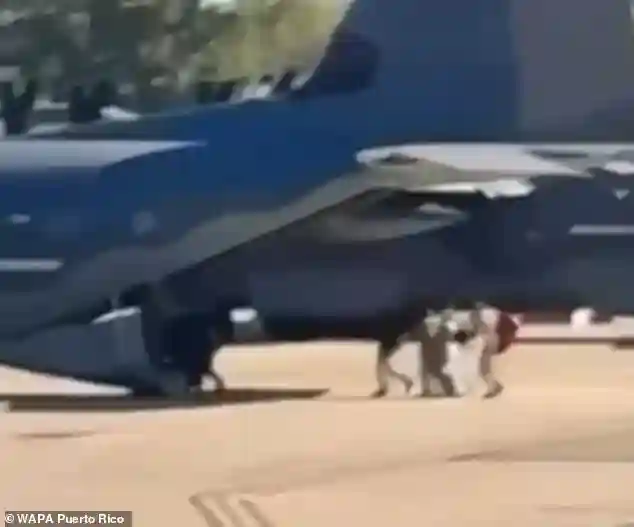
Just days ago, Iran’s president openly told his country that they are now in conflict with the United States, Europe, and Israel.
It wasn’t a quiet statement tucked into a policy paper — it was a blunt, emotional declaration broadcast through state media. The timing mattered.
Iran’s leadership is facing unrest at home, pressure abroad, and a shrinking list of friendly nations. When regimes feel boxed in, they often start shouting.
That rhetoric has unsettled Western governments, not because of its drama, but because of what usually follows it: action, retaliation, or escalation.
When Threats Rise, Intelligence Becomes the Front Line
In moments like this, the world doesn’t turn first to tanks or speeches. It turns to intelligence agencies — the people who work quietly, often invisibly, to prevent chaos before it becomes visible.
One name keeps resurfacing when conversations turn to covert operations and long memory: Israel’s intelligence service, Mossad. And one person keeps coming up when discussing its modern transformation — Yossi Cohen, who ran the agency from 2016 to 2021.
Cohen doesn’t look like a man who spent years living under false names in hostile countries. He’s calm, polished, and precise. But behind that calm is a philosophy that shaped Mossad’s most daring operations.
A Simple Rule With Enormous Consequences
Cohen’s guiding principle was brutally straightforward: never come second.
In intelligence work, second place means the bomb went off, the plot succeeded, or the attacker vanished. For Mossad under Cohen, speed and decisiveness weren’t virtues — they were survival tools.
That mindset drove operations across the Middle East, Europe, and even deep inside Iran itself. Some were meant to stop attacks. Others were designed to send a message that threats against Israel and its allies would not fade quietly into the past.
Messages Written Without Words
Some of those messages were written in headlines.
A senior Hamas engineer shot dead in Malaysia before morning prayers. A Syrian missile scientist killed when his car exploded in a quiet hill town. A top al-Qaeda figure gunned down in Tehran on the anniversary of past terror attacks.


Each event was shocking on its own. Together, they formed a pattern: borders no longer protected those who organized mass violence.
It wasn’t revenge. It was deterrence — the idea that planning mass murder carries consequences no matter where you hide.
The Heist That Changed a Nuclear Debate
Not all operations involved bullets or bombs.
In 2018, Mossad agents quietly removed Iran’s secret nuclear archive from a warehouse outside Tehran. No alarms. No explosions. Just safes cut open, files removed, and a half-ton of documents smuggled out before sunrise.
Those documents reshaped international debates about Iran’s nuclear intentions. They gave governments proof instead of suspicion — and changed how the world confronted Tehran diplomatically.
Sometimes disruption isn’t loud. Sometimes it’s paperwork.
Intelligence as a Form of Prevention
Cohen often emphasized that stopping something before it exists is more powerful than reacting after it happens.
That philosophy extended beyond Israel. Mossad shared intelligence with European services that helped prevent ISIS attacks in cities across the continent — from Germany to France to Britain.
Former British intelligence officials later acknowledged that cooperation saved lives. It wasn’t about prestige or politics. It was about preventing names from becoming memorials.
A Quiet Alliance in a Loud World
Modern conflict rarely looks like traditional war. It’s digital, covert, financial, psychological, and sometimes invisible until it isn’t.
As extremist networks grow more global and state threats more complicated, Western agencies increasingly rely on one another. Mossad and MI6, in particular, have developed a relationship built on speed, trust, and uncomfortable decisions made quickly.
They don’t operate in headlines. They operate so headlines don’t happen.
Why All This Matters Now
Iran’s declaration of conflict isn’t just political theater. It signals a leadership under pressure, trying to project strength while facing internal instability and external isolation.
That combination is dangerous.
And that’s why intelligence agencies, not armies, are likely to be the first line of defense in whatever comes next — working quietly to prevent the loud, violent outcomes everyone fears.
The Reality Behind the Silence
Espionage isn’t glamorous. It isn’t clean. It lives in moral grey zones that politicians rarely want to discuss openly.
But its purpose is brutally simple: prevent catastrophe before it happens.
As rhetoric heats up and global tensions rise, the quiet war — the one fought through information, disruption, and prevention — is already underway.
And most people will never notice it.
Which is exactly the point.
Share on Facebook «||» Share on Twitter «||» Share on Reddit «||» Share on LinkedIn
- Nigerian Police dismisses sexual harassment investigation claims against Pastor Chris Okafor after online reports circulate
- Armed bandits kill villagers and abduct women and children in Nigeria prompting presidential directive
- Anthony Joshua breaks silence in Lagos as former heavyweight champion shares emotional message after fatal Nigeria expressway crash
- Donald Trump warns Cuba could face American intervention after speaking about Venezuela operation and temporary US governance of Caracas
- Donald Trump Celebrates Venezuelan Leader Nicolás Maduro’s Capture During Military Operation Off the Coast of Venezuela
- US Delta Force captures Venezuelan President Nicolas Maduro and his wife Cilia Flores in Caracas and transports them to New York amid drug trafficking allegations
- Keir Starmer refuses to condemn Donald Trump for Venezuelan military operation as UK seeks full facts on Caracas raid
- Joe Biden Faces Backlash as His Old Tweet Criticizing Donald Trump Resurfaces During Maduro Capture in Venezuela
- President Donald Trump Visits Florida Marble Store to Select Marble and Onyx for White House Ballroom Renovation
- Whipsaw Launches Spring 2026 Applications for Its Hardware Startup Accelerator in San Francisco to Help Founders Build Investor-Ready Prototypes