
If you run a small business, such as a restaurant, there is a good chance that it will feel like you are jostling for space in an overcrowded market. With all your hard work, you might not be satisfied when the customer’s search for “your delicious dishes” turns up nothing. In this case, a lack of online visibility may lead to missed opportunities and retarded development. It’s important to implement effective SEO strategies. We use SEO to increase the visibility of our restaurant website so that even more locals can find it. That way, we’ll grow both our traffic and our revenue. This guide will take you through practical step-by-step SEO strategies customized for small businesses, ensuring that your restaurant can not only live but thrive in the digital age.
What Is SEO?
SEO, or Search Engine Optimization, involves optimizing your website to rank higher in search engine results pages (SERPs). It includes components like keyword research, content optimization, and technical SEO. For small businesses, SEO is beneficial because it drives organic traffic, increases visibility, and builds credibility.
How Is SEO Used for Small Businesses?
SEO is a powerful tool for small businesses to enhance their online visibility, attract targeted traffic, and drive growth. For example, consider a local restaurant looking to attract more customers. By optimizing its website for search engines, the restaurant can improve its rankings in SERPs, making it easier for potential diners to find them. This process involves conducting research keywords using SEO tools to identify terms that potential customers are searching for, such as “best Italian restaurant in [city].” The restaurant can then create high-quality content that addresses these keywords, such as blog posts about their menu or events, and optimize meta titles, descriptions, and headers to capture search engine attention.
Additionally, technical SEO practices, such as improving site speed and ensuring mobile optimization, make the website user-friendly and accessible, which is crucial for retaining visitors. Local SEO strategies are also vital; by optimizing their Google My Business profile and including local keywords, the restaurant can attract local customers. Engaging in local events and being active in the local community can further boost their online presence.
Building backlinks through guest blogging on food blogs and promoting content on social media platforms enhances the site’s authority and improves SEO rankings. Internal links within the restaurant’s website can guide visitors to related content, keeping them engaged longer. Regular monitoring and analysis using tools like Google Analytics and Google Search Console allow the restaurant to track performance and make necessary adjustments to its strategy.
By implementing these SEO tactics, a local business like a local restaurant can compete more effectively, reach a wider audience, and ultimately drive more conversions and sales. This comprehensive approach ensures that the business not only attracts new customers but also remains a vital part of the local community.
Read More: Leveraging SEO for Business Growth: A Step-by-Step Guide
SEO Strategies for Small Businesses
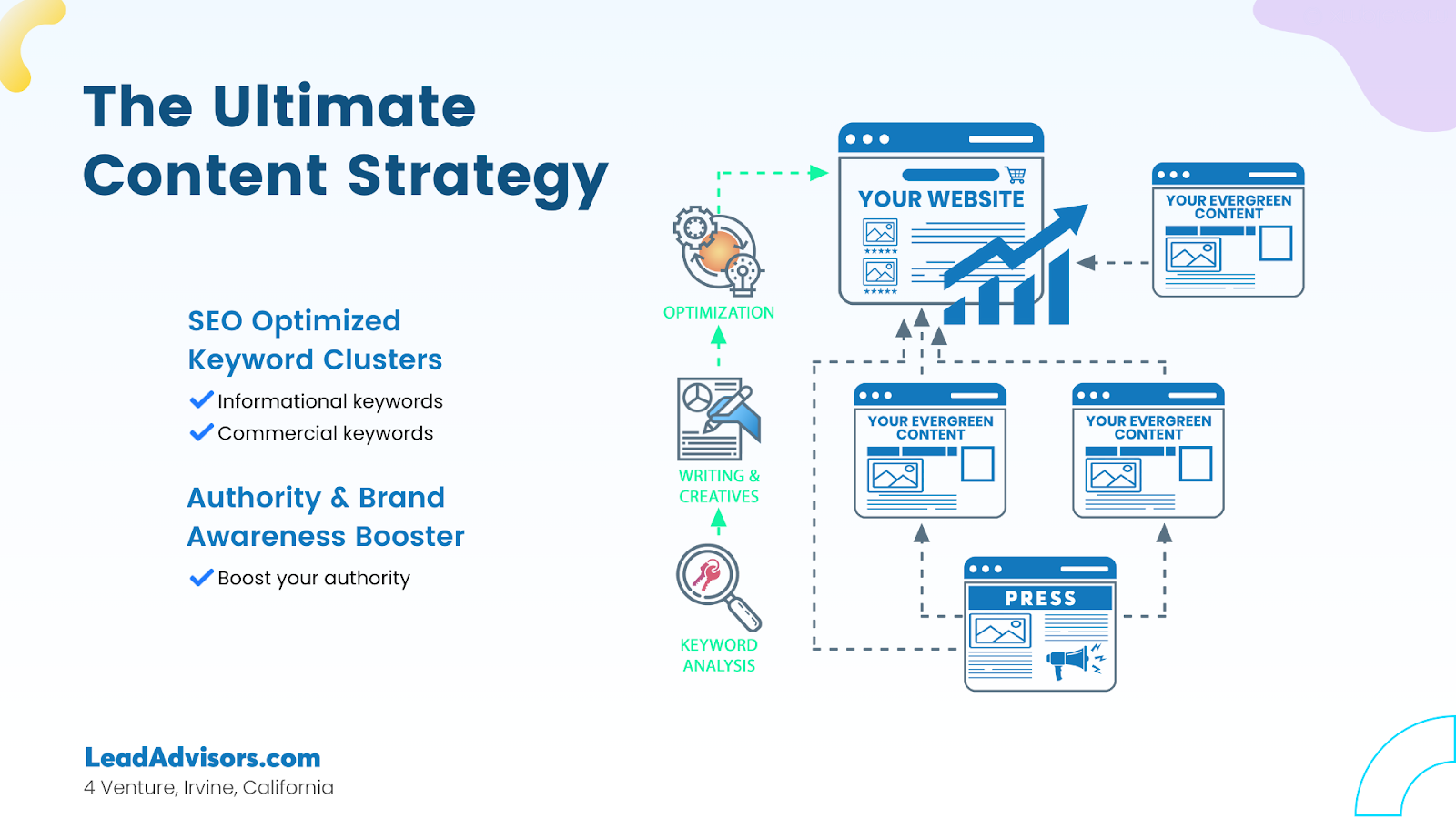
Implementing effective SEO strategies can significantly boost the online visibility and growth of businesses. Here are some key strategies to consider:
Perform Keyword Research
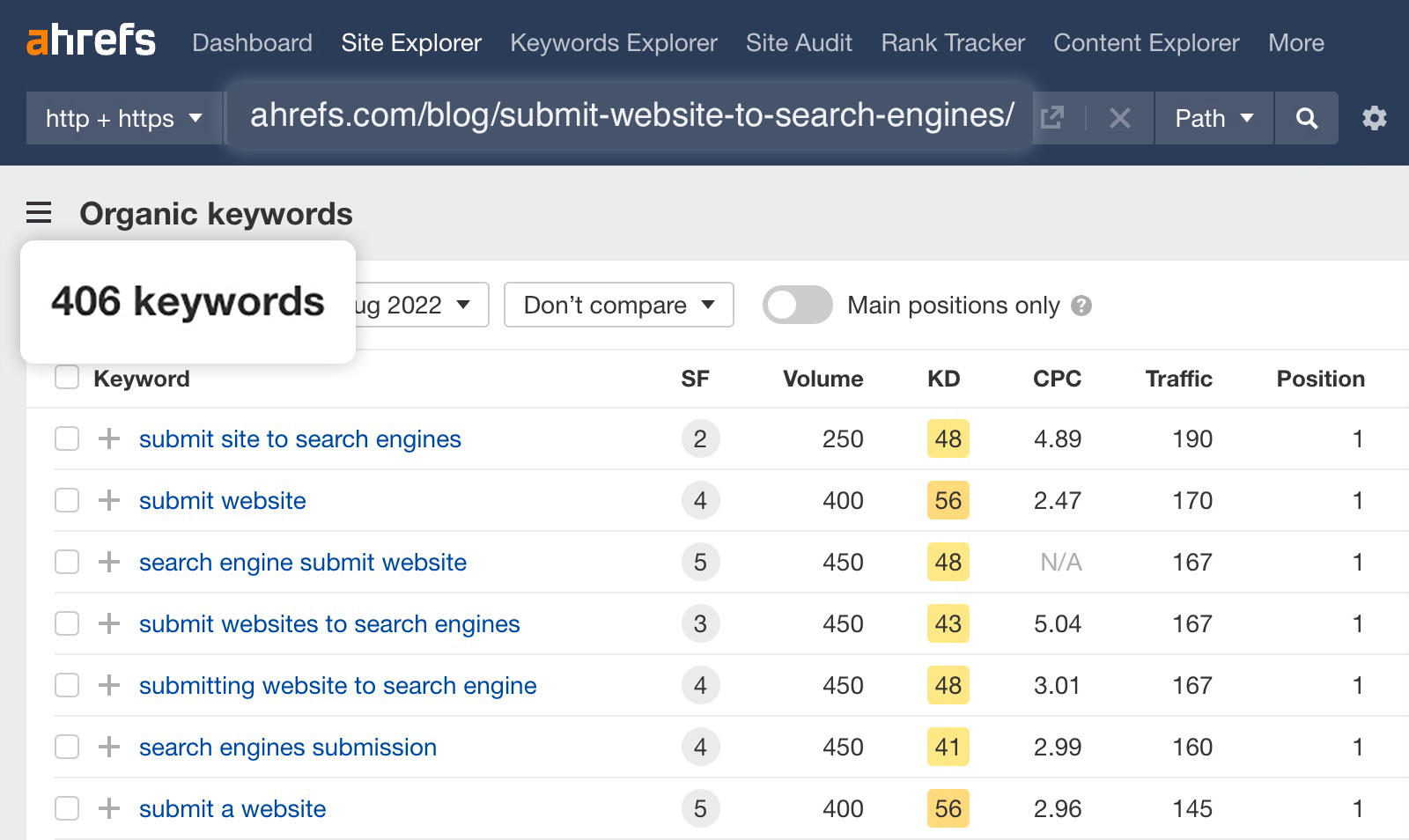
Photo Credit: Ahrefs
Effective keyword research is essential for SEO success, particularly for small businesses. Using keyword research tools like Google Keyword Planner, SEMrush, and Ahrefs, you can identify relevant keywords with good search volume and low competition. For example, a small bakery might discover that “gluten-free cupcakes in [city]” is a long-tail keyword with high potential. Focusing on such long-tail keywords specific to your business often results in less competition and attracts more targeted traffic. Additionally, incorporating location-specific keywords, like “best bakery in [city],” helps attract local customers.
By strategically selecting and incorporating these keywords into your content, you can enhance your website’s visibility and draw in a more targeted audience. This approach forms a critical part of an effective SEO strategy for businesses. It not only increases search traffic but also ensures that your website offers relevant content that search engines can easily determine and rank. Implementing these practices will help drive more traffic to your site, improving your search engine optimization (SEO) efforts and overall business growth.
Optimize Website Content
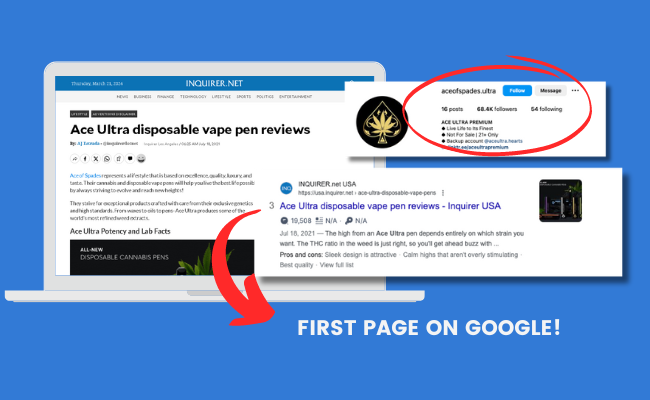
To optimize your website content effectively, ensure your meta titles and descriptions are compelling and include your target keywords. For example, if you run a coffee shop, your meta title might be “Best Coffee Shop in [City] – Organic Coffee & Pastries,” and your meta description could be “Visit the best coffee shop in [City] for organic coffee, fresh pastries, and a cozy atmosphere. Find us on Google Maps.” Use headings and subheadings (H1, H2, H3) to structure your content, making it easier for search engines to understand and for users to navigate.
Additionally, create high-quality, engaging content that addresses the needs and interests of your target audience. This could include blog posts like “Top 5 Tips for Brewing the Perfect Cup of Coffee,” how-to guides such as “How to Make Latte Art at Home,” and FAQs answering common customer questions. This approach not only improves your search engine rankings but also enhances the user experience, driving more traffic and engagement on your site.
For local businesses, leveraging brand editorial reviews can also boost credibility and attract more visitors. Integrating customer feedback and showcasing positive reviews can build trust. Use free tools like Google Analytics to track your website traffic and Google Ads to promote your content. By focusing on effective site structure, compelling meta descriptions, and relevant title tags, you can significantly improve your online presence and attract more local customers.
Technical SEO
To enhance your website’s technical SEO, ensure it is mobile-friendly, as a significant amount of web traffic comes from mobile devices. A mobile-friendly site improves user experience and helps maintain high rankings in Google search results and other search engines. Additionally, improve your site’s loading speed; slow websites can negatively impact user experience and rankings. Use tools like Google PageSpeed Insights to identify and fix speed issues.
Implement schema markup to help search engines understand your content better and enhance your search results with rich snippets. For example, a local restaurant can use schema markup to display ratings, operating hours, and menu items directly in search results, making it more appealing and informative to potential customers. This strategy not only improves your website’s visibility but also attracts more traffic.
Focusing on these technical SEO aspects is crucial for small businesses. Incorporating these SEO tips into your overall strategy can significantly improve your site’s performance. By making your site mobile-friendly, fast, and rich with structured data, you ensure that search engines determine your site as valuable and relevant. This leads to better rankings and more visibility, ultimately driving more traffic from search engines and other websites.
Local SEO
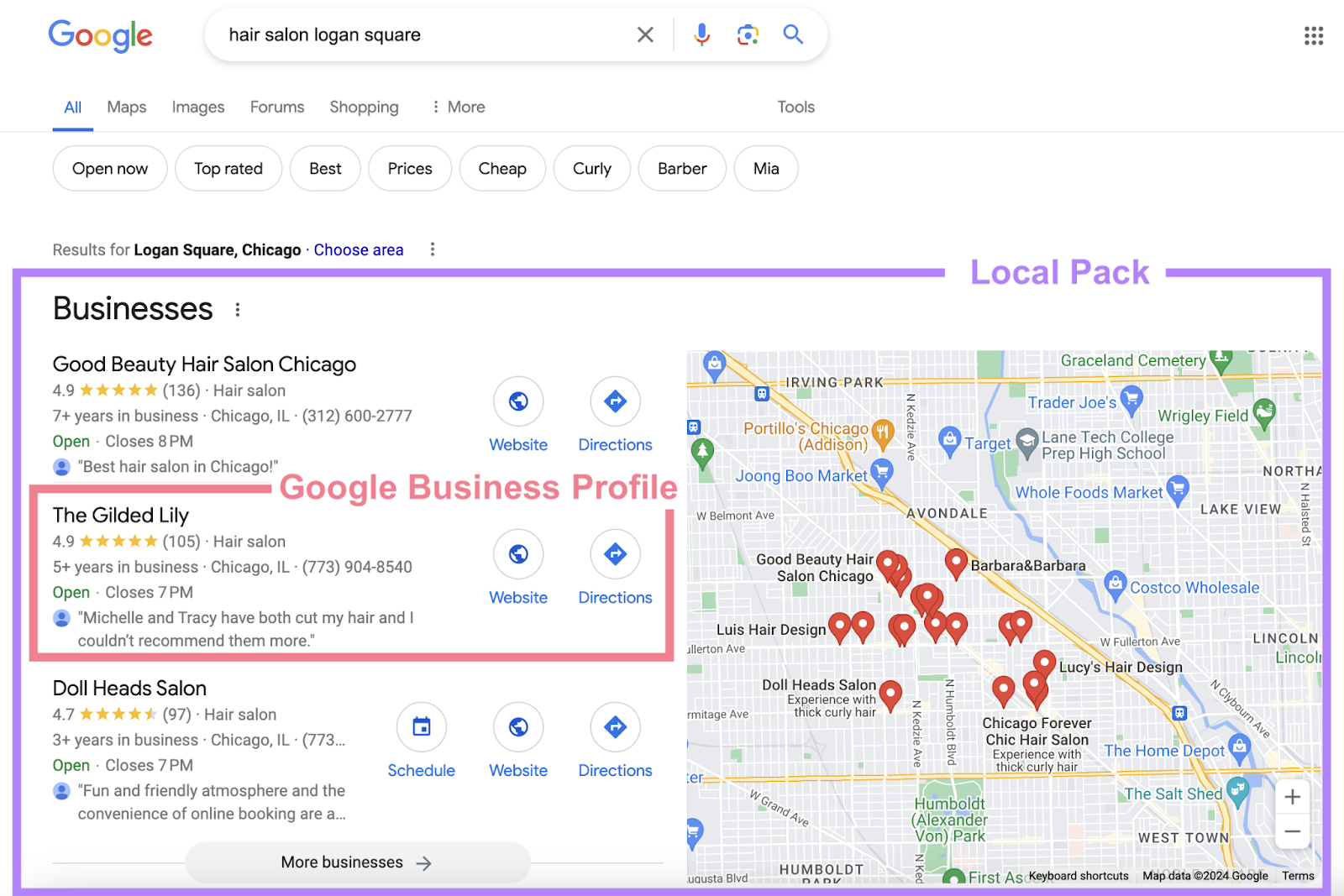
To boost your local business SEO, start by creating and optimizing your Google My Business profile. Ensure your business information is accurate and encourage customers to leave reviews, as this can significantly enhance your visibility in local searches. Additionally, submit your business to local online directories to increase your local search visibility. Creating localized content, such as articles on local news, events, and community activities, can further engage your local audience.
For example, a local bakery can write blog posts about participating in community events or hosting baking workshops. This strategy not only helps in connecting with the community but also improves local SEO. Utilizing a keyword research tool to find relevant local keywords and integrating them into your content can further boost your rankings. By implementing these SEO tips for small businesses, you can enhance your small business SEO strategy, making your business more visible and attracting more local customers.
Build Backlinks
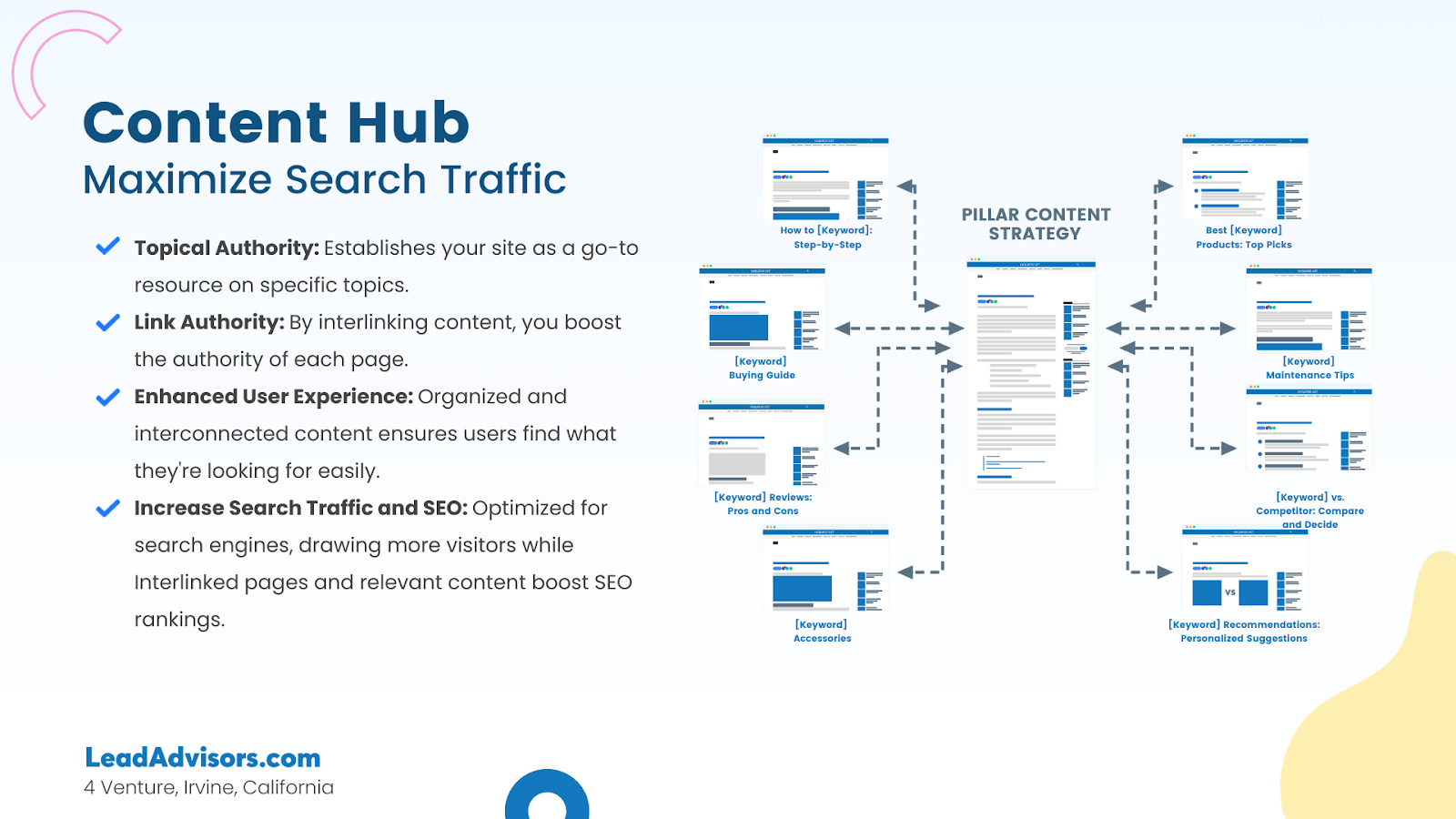
Building backlinks is essential for enhancing your website’s authority and search engine rankings. Start by writing guest posts for reputable websites in your industry to earn high-quality backlinks. For example, a local coffee shop could write an article on a popular food blog about “The Art of Brewing the Perfect Coffee.” Promote your content on social media platforms and reach out to influencers to gain more exposure and backlinks. Additionally, network with other businesses and industry influencers to create opportunities for link exchanges and collaborations.
Utilizing a keyword research tool to find keywords that resonate with your audience can help you create valuable content that attracts links. Implementing a strategic link-building strategy can significantly improve your site’s visibility and authority, making it easier for potential customers to find you through search queries. By following these SEO tips, local businesses can effectively enhance their online presence and drive more traffic.
Optimize for Voice Search
Optimizing for voice search is one of the keys to success for small businesses, and it is likely to be favored in the rising number of queries made through voice commands. Start by focusing on natural language keywords and phrases that people use in voice searches. For example, instead of “best coffee shop,” optimize to ask, “Where is the best coffee shop near me?” Include a FAQ section on your website to answer common questions in natural conversational language.
For example, a local, small restaurant might have questions like “What are your hours of opening?” or “Do you have vegetarian options?” This allows the FAQs to become part of the natural rhythm of voice searches and, equally importantly, increases your chances in voice searches. Implementing th