What if the items in your shopping basket could quietly hint that something isn’t right with your health? Researchers in the UK believe that everyday supermarket habits may reveal early warning signs of cancer—long before most people ever see a doctor.
Subtle changes, like buying more indigestion tablets, painkillers, or switching food choices, often happen months before a diagnosis.
Now, scientists think these small signals could help spot cancer earlier and save lives.
Turning Loyalty Cards Into Early Warning Tools
A research team led by Imperial College London is working with Tesco and Boots to explore whether loyalty card data can help identify early symptoms of cancer.
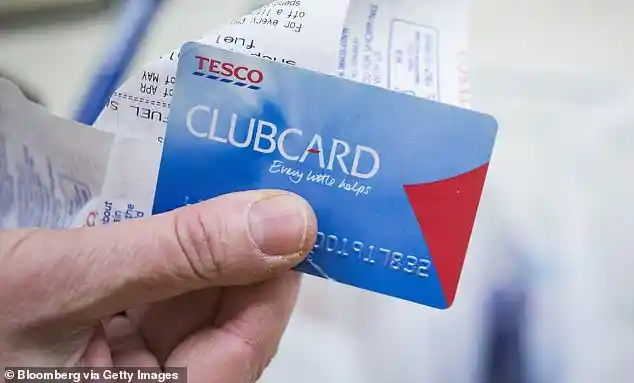
Using information from Clubcard and Advantage Card programmes, the study looks for patterns that might indicate something is wrong.
The idea is simple but powerful: different cancers may trigger different buying habits.
Some people might start purchasing more over-the-counter medicines, while others change what or how often they eat certain foods.
Proof That the Idea Can Work
This isn’t just a theory. In an earlier study, the same researchers found that shopping data could identify ovarian cancer up to eight months before a formal diagnosis.
That success has encouraged them to widen the research and test whether the approach works for other forms of the disease.
Catching cancer earlier can make treatment more effective, less costly, and significantly improve survival rates—something the NHS is under increasing pressure to achieve.
Expanding the Research Across Multiple Cancers
The new project, known as Cancer Loyalty Card Study 2, will involve 2,900 volunteers from across the UK, making it one of the largest studies of its kind.




Researchers will examine shopping patterns linked to ten cancers, including bladder, bowel, ovarian, pancreatic, stomach, liver, and uterine cancers.
Many of these cancers begin with vague symptoms like bloating, fatigue, or indigestion.
Because the signs are easy to dismiss, people often self-medicate for months before seeking medical help.
This study hopes to pinpoint when those changes start—and what products are most commonly involved.
Surprising Signals Hidden in Plain Sight
According to lead researcher Professor James Flanagan, some findings are expected, while others are not.
Laxatives, for example, might make sense in cases of bowel cancer.
But in previous research, indigestion remedies turned out to be strongly linked to ovarian cancer—something few would anticipate.
Understanding these unexpected links is a key goal of the study, helping researchers build clearer profiles for each cancer type.
Why Retailers Are Getting Involved
The study is a collaboration between Imperial College London and the universities of Birmingham, Nottingham, and Lancashire.
Major retailers are also playing a crucial role.
Boots says more than a quarter of the UK population holds an Advantage Card, meaning responsibly used data could have a real impact.
Tesco has echoed that view, saying customer participation could help detect cancers earlier and build on the success of the first study.
How This Fits Into the UK’s Bigger Health Plans
The expanded research comes just ahead of the Government’s new National Cancer Plan, which aims to reduce cancer cases and improve treatment outcomes.
Expected measures include better access to clinical trials, expanded genetic testing, and support to help patients stay in or return to work.
Cancer Research UK, which is funding the study, says changes in shopping behaviour could one day act as an early alert, encouraging people to speak to their GP sooner rather than later.
What’s Next?
Researchers will now begin recruiting volunteers and analysing years of shopping data to identify clear purchasing “thresholds” that separate healthy patterns from potential warning signs.
If successful, the findings could reshape how early cancer detection works—using data people already generate every week without even thinking about it.
Share on Facebook «||» Share on Twitter «||» Share on Reddit «||» Share on LinkedIn