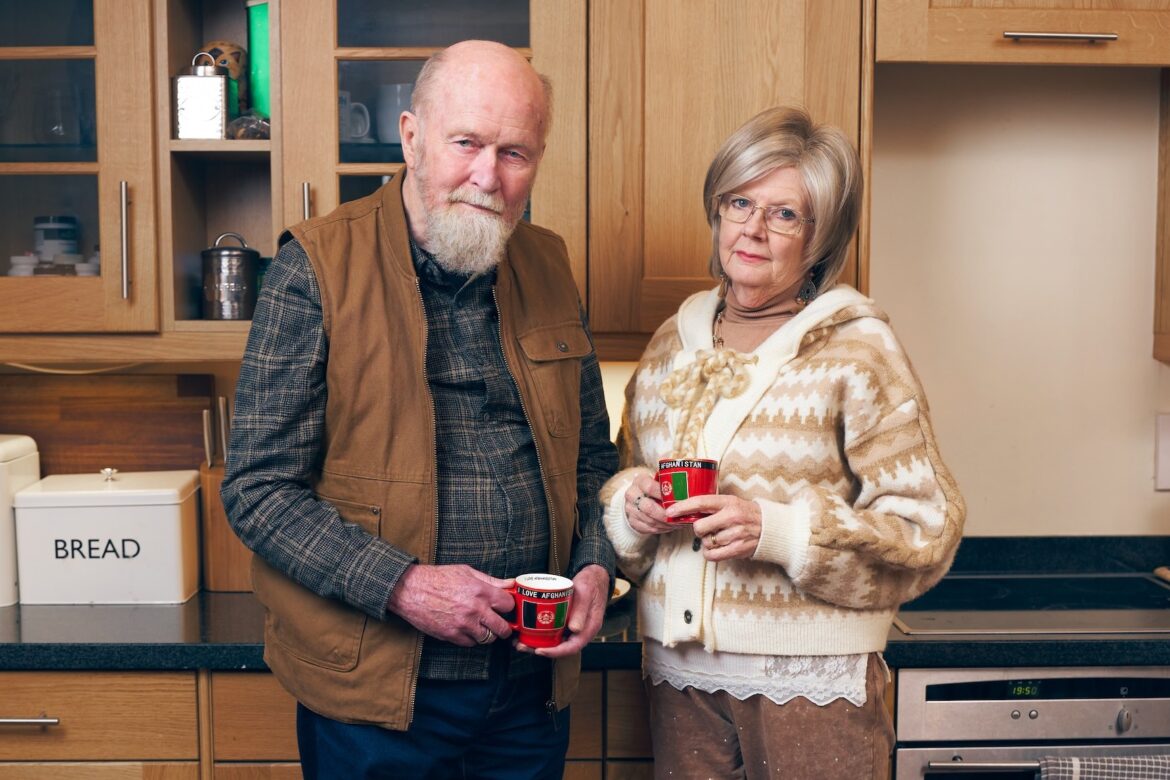
Life under the Taliban is harsh for everyone, but for foreign nationals, it can be terrifying.
For British pensioners Peter and Barbie Reynolds, their time in one of Afghanistan’s most infamous prisons felt like “the closest thing to Hell.”
The couple, aged 80 and 76, endured months of uncertainty, squalid conditions, and arbitrary detentions that left them physically and emotionally drained.
Life Behind Bars in Pul-e-Charkhi
The Reynolds were imprisoned in Pul-e-Charkhi, a notorious maximum-security jail in Kabul.
Built in the 1970s to hold 5,000 inmates, it often crams in up to 15,000 prisoners, creating overcrowded and unhygienic conditions.
Peter and Barbie were separated and held in moldy, rat-infested cells for three months in 2025 as part of an eight-month detention that still lacks any official justification.
While some prisoners face torture and beatings from guards, the Reynolds were spared that fate.
Still, the conditions were harsh. Prisoners endured freezing winters and sweltering summers, with barely functional amenities.
Arbitrary Arrests and Harsh Punishments
The couple, who had lived in Afghanistan for 18 years, spoke of the women they met in prison, many of whom were jailed for seemingly trivial reasons.
Some were detained simply for driving a car, while others were punished for crimes committed by their husbands.
Peter and Barbie themselves were arrested while traveling back to their home in Bamyan province, with no clear charges given.
Peter was held in the men’s wing with only two other inmates, sharing a latrine and shower.
Despite his serious heart condition, he was chained alongside men convicted of violent crimes.




Barbie, however, faced much harsher conditions.
Her cell held 15 women and two children, with only five bunk beds, forcing many to sleep on the floor.
Struggling with Basic Needs
Food was scarce and nutrition was a major struggle, especially as the detention coincided with Ramadan.
Initially, the couple received just one meal a day, which later increased to two meager meals: overcooked vegetables with bread for lunch, and rice with a small amount of kidney beans for dinner.
Meat, when available, was nearly inedible, often just bones and fat.
Any extra food had to be bought from a tiny, poorly stocked prison shop.
Barbie described the struggle with hygiene and sanitation: “There were four showers but none worked, so we had to use taps, and all the water ran into a drain full of trash.”
The women’s wing had 230 women and 40 children sharing just seven squat toilets, creating unsanitary and stressful conditions.
Stories of Women Detained for Trivial Reasons
Barbie recounted conversations with fellow prisoners who had been jailed for minor or arbitrary offenses.
One 19-year-old was imprisoned for driving her boyfriend’s car, an act forbidden under Taliban rules.
Another mother of four was detained after her husband killed a man in a jealous rage.
Many women didn’t even know how long their sentences were meant to last, leaving them in months of uncertainty.
Prisoners passed the time by making prayer beads and bracelets, but tensions often ran high.
Violence occasionally erupted, with some women suffering serious injuries.
The Grim Reality of Taliban Detention
Eventually, the Reynolds were moved to a windowless basement run by the Taliban’s intelligence services, infested with mice and cockroaches, where they spent five weeks.
UN experts warned that Peter and Barbie were at risk of death without proper medical care, prompting a transfer to a guarded house in a military enclave.
The Path to Freedom
Through diplomatic efforts by British and Qatari officials, the couple was released as part of the Taliban’s attempt to gain international recognition.
Upon arrival at Heathrow Airport in September, they were reunited with their daughter, Sarah Entwistle, in Doha before returning to the UK.
The family described the release as a “moment of intense joy” and expressed gratitude for the efforts of the UK and Qatari governments.
“This experience has reminded us of the power of diplomacy, empathy, and international cooperation,” they said, noting that while recovery will take time, their reunion marked an overwhelming sense of relief and happiness.
Share on Facebook «||» Share on Twitter «||» Share on Reddit «||» Share on LinkedIn