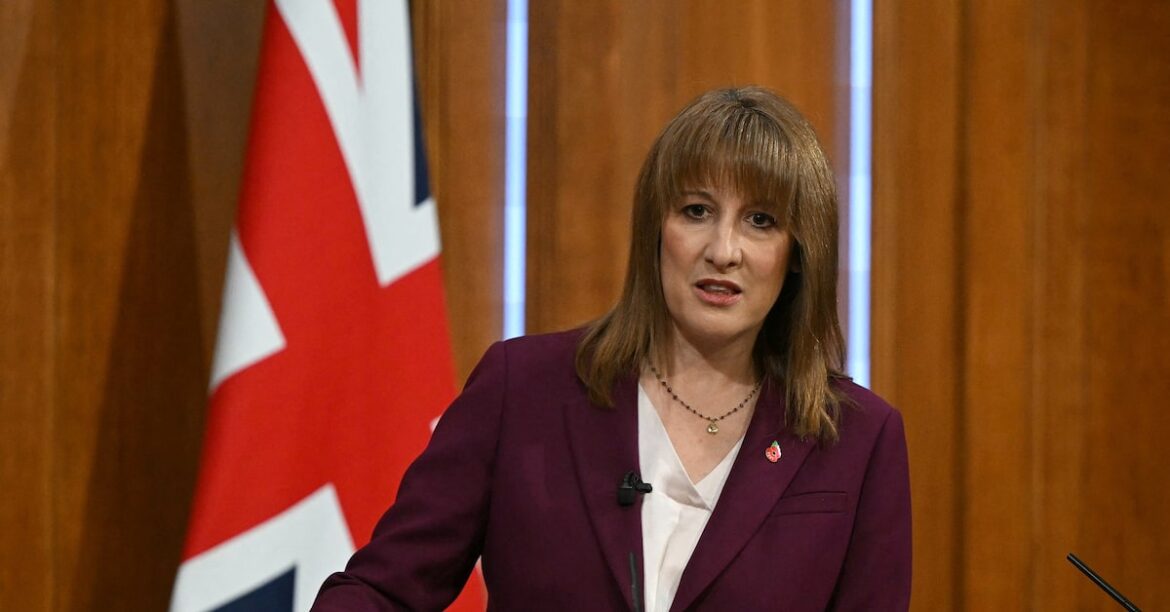
While politicians often talk about wealthier citizens shouldering the largest share of taxes, new analysis shows that ordinary earners are actually taking the brunt of Chancellor Rachel Reeves’ latest Budget changes.
Workers earning around £48,000 a year are set to be hit far harder than those on much higher salaries.
The Stealth Tax Explained
The Chancellor announced plans to freeze income tax thresholds for another three years—a move she had previously ruled out.
The freeze means that as wages rise with inflation, more of people’s income will fall into higher tax bands, quietly increasing what they pay.
This measure has become the largest single tax-raising policy in the Budget, yet it largely targets middle-income earners rather than the very wealthy.
Who Really Pays More?
Research from the Institute for Fiscal Studies reveals the surprising impact:
- Someone earning £46,000 a year will see an extra £410.46 in tax by 2031.
- A worker on £48,000 will pay an extra £603.50.
- In contrast, a high earner making £150,000 faces only £393.59 extra.
- Even those earning £12,000 a year pay more, with £220.15 added to their tax bill—a larger proportion of their income than wealthier taxpayers.
Police officers, senior teachers, and experienced nurses are among those most affected.



Political Backlash
Shadow Chancellor Sir Mel Stride criticised the move, saying: “Rachel Reeves is trying to pull the wool over Britain’s eyes.
She said the wealthiest would contribute the most, but the biggest tax rise in her Budget was a stealth tax hitting middle earners hardest.”
He accused the Chancellor of making a political choice, rather than an economic necessity, with working people’s pay packets being used to fund Labour’s growing benefits bill.
Government Perspective
The Treasury has highlighted a “distributional analysis” suggesting that, when all tax and spending measures—including a new mansion tax—are considered, the top 10% of earners are the biggest losers.
However, the threshold freeze alone drags millions of ordinary workers into higher tax bands, quietly increasing their contributions.
The History of the Tax Freeze
The freeze was originally introduced by Rishi Sunak in 2022 to help manage pandemic-related debt.
Jeremy Hunt extended it by two more years, and although Ms Reeves initially opposed further freezes in her first Budget, she later extended it for three more years until 2031 due to slow growth and welfare policy U-turns.
Why This Matters
Experts warn that this nine-year freeze could become the largest stealth tax in history.
By its end, an additional 5.2 million low earners will be brought into the income tax system, and 4.8 million middle earners will face the 40p tax rate, which was originally intended only for the rich.
What Comes Next
With middle-income workers bearing a disproportionate share of the tax burden, questions remain about how the Chancellor plans to balance her promises of protecting working people with the realities of raising government revenue.
Many are now watching closely to see if this approach will change in the next Budget cycle.
Share on Facebook «||» Share on Twitter «||» Share on Reddit «||» Share on LinkedIn