The Australian Open is no stranger to drama, but this year, it’s not just aces and break points causing a stir—it’s wearable technology.
WHOOP, a leading health and fitness tech brand, has found itself at the center of a heated debate after several top tennis stars were told to remove their devices before stepping onto the court.
The move has sparked confusion, frustration, and now, a bold workaround from the company’s founder.
Players Face Unexpected Device Ban
World No. 1s Aryna Sabalenka and Carlos Alcaraz, along with defending champion Jannik Sinner, were all asked to remove their WHOOP fitness bands ahead of their matches.
Tennis Australia confirmed that wearable fitness devices are currently banned during Grand Slam matches, citing concerns over fairness. However, discussions are ongoing about whether this rule should be revised.
Sabalenka, fresh off a dominating 6-3, 6-0 win against rising star Iva Jovic to reach the semi-finals, openly questioned the inconsistency.
“I don’t understand why we can wear them in WTA tournaments all year, but not at the Grand Slams,” she said, highlighting the confusion many players feel.
Conflicting Approvals from Tennis Authorities
The controversy stems from differing rulings between the International Tennis Federation (ITF) and the Grand Slam organisers.
The ITF has previously approved WHOOP devices for use on the ATP and WTA Tours, provided the haptic feedback is disabled.
“We received an email confirming ITF approval,” Sabalenka explained, “so I thought it was fine to wear it on court.”




The reasoning behind the Grand Slam ban remains unclear, though speculation suggests it might give players who wear these devices an advantage over those who do not.
WHOOP bands monitor metrics like heart rate, blood oxygen levels, and exertion, helping athletes optimize recovery and performance—a capability that has attracted stars such as Cristiano Ronaldo, Rory McIlroy, and LeBron James.
WHOOP Founder Responds with Bold Move
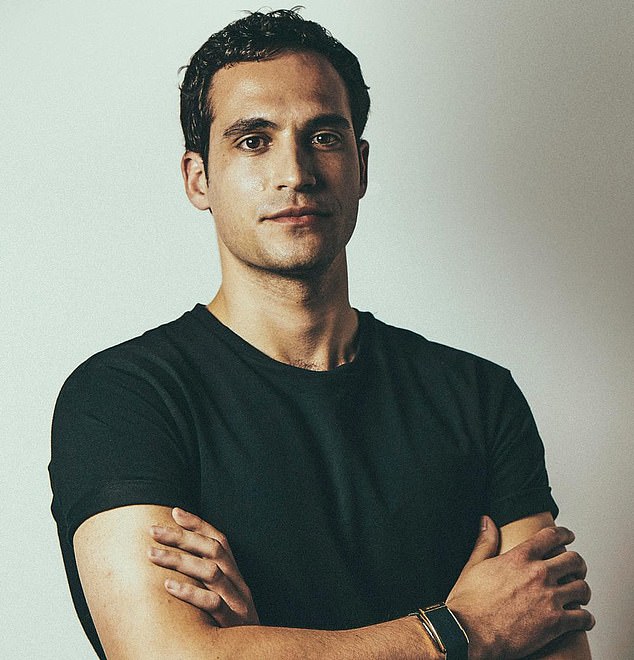
Will Ahmed, WHOOP’s founder, called the ban “ridiculous” and argued that monitoring health metrics shouldn’t be treated like doping.
“Data is not steroids,” he insisted, advocating for athletes’ right to track their bodies.
In a dramatic response, Ahmed announced a workaround: shipping specially designed WHOOP Body apparel to players still competing at the tournament.
These garments—bras, boxers, and undergarments—contain discreet pouches that allow the sensors to remain in contact with the skin, delivering the same metrics as the wrist-worn bands.
“UPDATE: We are overnighting our WHOOP Body collection to all the tennis players at the Australian Open,” Ahmed posted on X.
“The sensor can be worn discreetly and effectively in our new undergarments. It’s going to take a strip search to keep WHOOP off the court!!!”
Players Speak Out on Using WHOOP
Athletes themselves have shared mixed reactions.
Jannik Sinner explained the practical benefits: “It’s more about what you can see after the match… data we like to use in practice sessions, like heart rate and calories burned.”
Still, Sinner followed the rules after being asked to remove his band, noting that alternative solutions like the WHOOP vest felt uncomfortable during play.
Sabalenka emphasized the health-tracking angle: “It’s just for tracking my health. I really hope they will reconsider the decision so players can monitor their bodies.”
Tennis Australia Holds Firm, But Loopholes Remain
Tennis Australia confirmed that wearables are banned at Grand Slams but acknowledged that the situation is under review.
They also noted that players can track other performance data during matches, such as distance covered, shot speed, and spin via systems like Bolt 6, which do not involve wearable devices.
Meanwhile, with WHOOP Body apparel making its way into player lockers, the tournament now faces a unique challenge: enforcing the ban without physically checking under players’ garments.
For fans and athletes alike, the drama off the court may be as intense as the matches themselves.
Share on Facebook «||» Share on Twitter «||» Share on Reddit «||» Share on LinkedIn