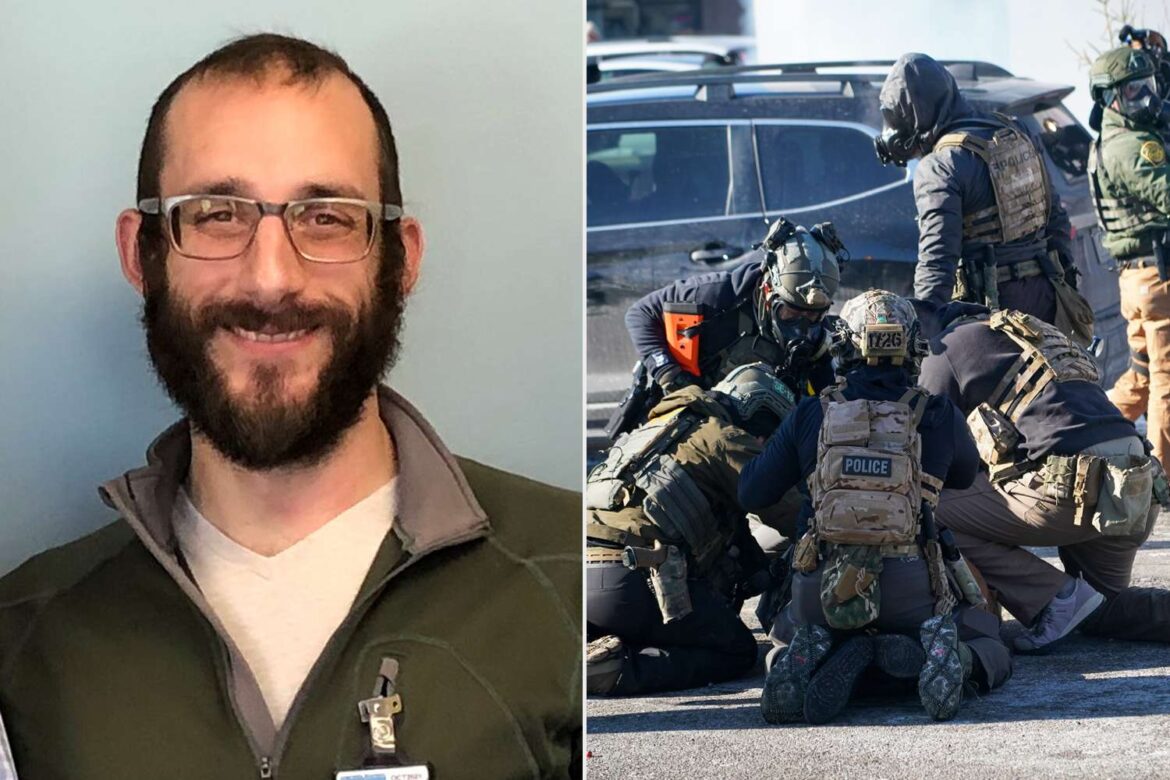
Minneapolis has become the center of a heated debate after Alex Pretti, 37, was fatally shot by federal agents.
Allegations are now swirling that the officers involved may have prioritized counting bullet holes over rendering aid to Pretti, sparking outrage and renewed scrutiny of federal law enforcement practices.
Witness Account Paints Troubling Picture
A licensed pediatrician, who witnessed the shooting firsthand, provided a sworn affidavit claiming that Customs and Border Patrol (CBP) officers fired at Pretti multiple times—“at least six or seven,” according to the court filing—without attempting to help him afterward.
The doctor said he rushed to the scene to treat Pretti’s wounds, only to find an ICU nurse at his side, noting that this “is not standard practice” for a shooting victim.
“Checking for a pulse and administering CPR is standard practice,” the pediatrician testified.
“Instead of doing either of those things, the agents appeared to be counting his bullet wounds.”
DHS Responds With Contradictory Statement
After initial inquiries went unanswered for over a day, a DHS spokesperson addressed the allegations, claiming that two Border Patrol agents—both nationally certified emergency medical technicians—provided immediate medical aid, but Pretti was pronounced dead at the scene.
The statement echoes DHS’s earlier response following the January 7 shooting of Renee Good, who was killed less than a mile from Pretti’s location.
Video from that incident showed bystanders pleading to check her vitals, but ICE agents reportedly refused, insisting medics were already present.
Assistant Homeland Security Secretary Tricia McLaughlin defended her team at the time, saying the officers assessed the victim and found her already deceased.



Legal and Political Fallout Intensifies
Minneapolis and surrounding authorities have taken legal action, suing DHS over aggressive immigration enforcement tactics just days after Good’s death.
Pretti’s shooting on Saturday has further intensified the case.
The federal agent who fired the fatal shots has not been named, but DHS confirmed he is an eight-year Border Patrol veteran with extensive training in both firearms and less-lethal tactics.
President Donald Trump has distanced himself from the shooting, sending border czar Tom Homan to Minneapolis to report directly to him—a move seen as undermining DHS Secretary Kristi Noem, who has faced criticism for her handling of the situation.
White House Press Secretary Karoline Leavitt added that Homeland Security Investigations and the FBI will be interviewing the agents involved.
Conflicting Accounts of What Happened
DHS maintains that Pretti, who allegedly “impeded a law enforcement operation” and was armed, prompted a defensive response.
The agency released a photo of a 9 mm semi-automatic handgun, claiming Pretti approached officers before a “violent struggle” erupted.
However, video footage and eyewitness accounts challenge this narrative.
In some clips, Pretti is seen holding only a phone, with no visible weapon.
Governor Tim Walz and local officials have questioned DHS’s version, while Noem insisted that Pretti “brandished” a legally-owned handgun during the encounter.
Escalating Tensions in Minneapolis
Noem has also shifted blame toward Minnesota political leaders, including Governor Walz and Minneapolis Mayor Jacob Frey, suggesting that their rhetoric encourages hostility toward law enforcement.
Meanwhile, multiple videos capture a roughly 30-second struggle before Pretti was shot, seemingly contradicting DHS claims that he approached officers aggressively with a firearm.
Federal authorities later confirmed the presence of a 9 mm handgun on Pretti, but it remains unclear whether he fired any shots.
A federal judge has since issued a temporary restraining order prohibiting the Trump administration from destroying or altering evidence related to Pretti’s death.
What Comes Next
As federal investigations continue, Minneapolis remains on edge.
The case raises broader questions about accountability, use of force, and federal law enforcement oversight, leaving communities, officials, and the nation watching closely for answers.
Share on Facebook «||» Share on Twitter «||» Share on Reddit «||» Share on LinkedIn