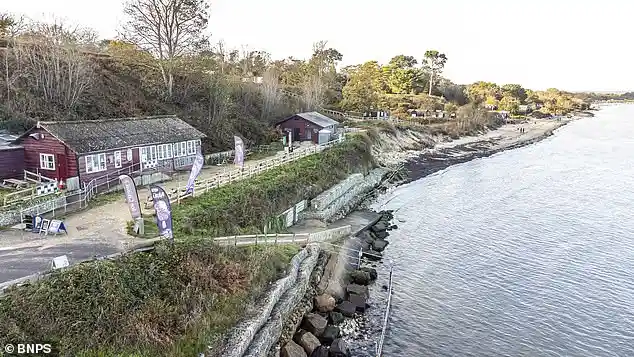
Middle Beach in Studland, Dorset, long celebrated for its beauty and literary connections, has sparked outrage after a National Trust decision to remove sea defences revealed decades-old buried waste.
Once a beloved retreat for Enid Blyton and the inspiration for Toytown in Noddy, the beach now features piles of litter, sharp debris, and even asbestos sheeting.
The Decision to Remove Sea Defences
Last September, engineers working for the National Trust dismantled gabion baskets and other coastal protections as part of a “managed retreat” strategy.
The plan aimed to allow the coastline to reshape naturally and to let the sea reclaim land.
According to the Trust, these measures are intended to prevent hard structures from collapsing under rising tides and to restore a more natural shoreline.
A Rubbish Time Capsule Unearthed
The removal of defences, however, exposed a long-forgotten rubbish tip buried behind the sandy bank.
As a result, tons of waste—ranging from rusted metal to plastics and even a Victorian toilet block filled with discarded glass and debris—have washed onto the beach.
Lethal asbestos sheeting has also been uncovered, raising health concerns.
National Trust volunteers are now conducting daily clean-ups, filling bag after bag with waste from the beach.
Local Concerns and Criticism
Locals are furious. Nick Boulter, chairman of Studland Parish Council, said, “All that waste which has been dumped into the sandy bank for the past 50 to 100 years is coming out of the cliff, creating an eyesore.”
Residents point out that spending £100,000–£200,000 to replace the old gabions would have prevented this disaster.
Civil engineer Andrew Parsons described the situation as “absolutely appalling” and criticized the Trust for a “lack of foresight,” arguing that volunteers shouldn’t have to bear the brunt of this miscalculation.
Social Media Outrage
The sight of plastics, cement, and other rubble covering the sand has ignited criticism on social media.




Locals are concerned about the environmental impact and the potential for debris to be washed into the sea.
Comments range from frustration at the removal of beach defences to worry about how the situation could worsen if storms hit.
National Trust Responds
The National Trust has defended its approach.
Sarah Coggins, coast and marine adviser, explained that the removed structures would have interfered with the natural alignment of the shoreline.
“Removing the artificial structures will allow the beach to replenish itself using sandy material from the cliff,” she said.
The Trust predicts that within 20 years, the cliffs will form a gentler slope and the beach will recover naturally.
Safety Measures and Clean-Up Efforts
For now, Middle Beach remains closed to the public.
Tracey Churcher, general manager for Purbeck, said asbestos sheeting has already been removed and daily clean-ups continue to remove rubbish.
She stressed that items like sharp glass and rusty metal pose risks to children, pets, and visitors.
The Trust plans to reassess the site after the winter storms to determine what can safely remain and what requires further removal.
Balancing Nature and Preservation
The situation highlights the tension between conservation strategies and public expectations.
While the Trust emphasizes long-term ecological benefits, locals are frustrated that immediate consequences—unsightly rubbish and safety hazards—seem to outweigh those benefits.
The debate over Middle Beach is likely to continue as winter storms test the resilience of the coast.
The Legacy of Middle Beach
Despite the current controversy, Middle Beach retains its historical and cultural significance.
Its connection to Enid Blyton and classic British literature is a reminder of the area’s charm.
However, the exposed rubbish has shifted focus from its idyllic past to urgent environmental and safety challenges.
Looking Ahead
The National Trust plans to continue monitoring and cleaning the site, allowing nature to play its part while keeping the public safe.
Locals hope lessons are learned about balancing heritage, environmental stewardship, and practical protection measures to prevent similar incidents at other cherished sites.
A Controversial Chapter in Coastal Management
Middle Beach’s transformation from literary paradise to a beach littered with buried waste has sparked debate across Dorset and beyond.
It’s a stark reminder of the complex challenges facing conservation bodies as they manage the delicate balance between nature, history, and human activity.
Share on Facebook «||» Share on Twitter «||» Share on Reddit «||» Share on LinkedIn