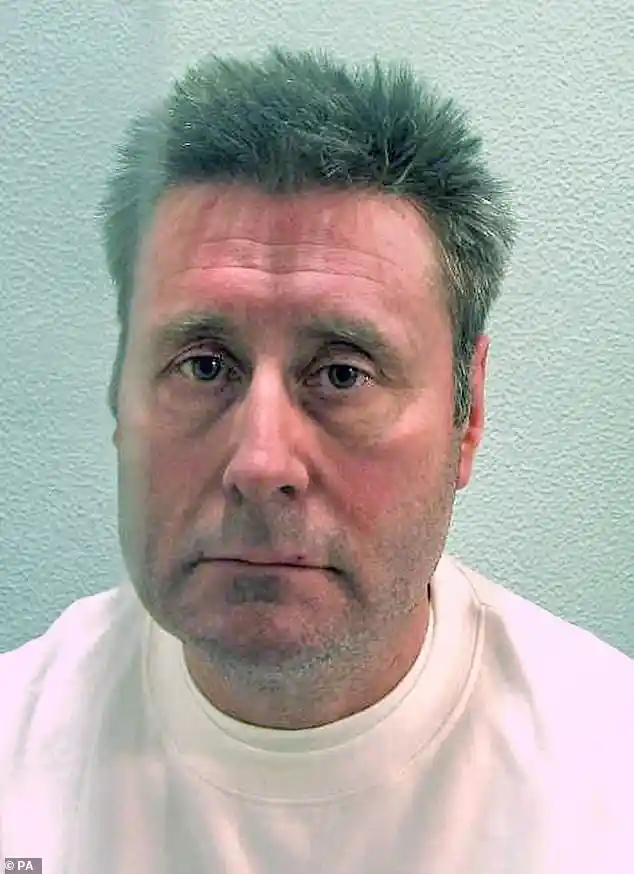
John Worboys, the infamous “black cab rapist” from North London, is making legal moves to prevent himself from being forced to confront his victims and their families during his upcoming parole hearing.
At 68, Worboys is arguing that appearing—even via video link—would intimidate him and prevent him from giving “full” evidence.
His lawyers have filed motions to keep the hearing private, sparking outrage among survivors and the public.
Victims Could Watch Live Through Video Link
The Parole Board is currently considering an application to hold the hearing publicly, potentially allowing victims to observe Worboys’ testimony from a secure location via video link.
While it’s unclear who submitted the request, sources suggest it may have come from one of his many victims or someone closely following the case.
Supporters of the public hearing argue that transparency is essential, given the scale of Worboys’ crimes and the public outrage that followed previous parole decisions.
Public Transparency Versus Prisoner Privacy
A source familiar with the case said, “Worboys is fighting to avoid a public hearing by claiming intimidation, which is absurd.
He’s a coward who should face the consequences of his vile actions.”
The same source stressed that allowing victims and the public to witness proceedings would help restore faith in the justice system, especially after the uproar over his initial parole clearance in 2018.
If the public hearing goes ahead, Worboys would be cross-examined live on a secure video link, with details observed by selected victims.




Legal experts and campaigners say this is a rare but necessary step to ensure the gravity of his crimes is publicly acknowledged.
Worboys’ Criminal History
Worboys, originally from Enfield, North London, attacked women over many years while working as a black cab driver.
Police estimate he assaulted at least 105 women, but he was only charged and convicted for 12 assaults to avoid “overloading the indictment.”
He received convictions for 19 offences in total, including one rape, an assault by penetration, and 17 additional assaults. He initially denied the other attacks.
His methods were manipulative and calculated: he would lure victims with alcohol spiked with drugs, sometimes pretending to celebrate lottery or horse race winnings.
During sentencing, psychiatrists testified that Worboys had fantasized about his crimes since 1986 and was motivated by deep-seated hostility toward women.
Previous Parole Controversy
Worboys was slated for release in 2018 after serving just nine years of his indeterminate sentence, prompting public outrage.
That recommendation was partially based on his admission to drugging and assaulting 12 women passengers.
The decision to release him was eventually overturned, reflecting concerns about the risk he posed to the public.
What the Parole Board Says
The Parole Board confirmed they received an application for a public hearing in Worboys’ case.
They emphasized that decisions focus solely on the risk a prisoner poses if released, considering the original crimes, evidence of behavior change, and the impact on victims.
A spokesperson said, “Protecting the public is our number one priority.
Parole hearings are conducted with extreme care and often last a full day or more.”
If the hearing is held privately, Worboys’ testimony will not be reported in detail, and only summaries will be released after a decision is made
The board’s ruling is expected in the coming weeks, amid heightened scrutiny from victims’ groups and the wider public.
Next Steps
The upcoming parole hearing will be closely watched, both for the outcome of Worboys’ legal bid and the broader message it sends about accountability for violent sexual offenders.
Survivors and campaigners are calling for transparency and a full reckoning, insisting that Worboys should face his victims rather than hide behind legal technicalities.
Share on Facebook «||» Share on Twitter «||» Share on Reddit «||» Share on LinkedIn